Mission Key: Listening

Let anyone who has ears hear what the Spirit is saying to the churches.
(Revelation 2:7a)

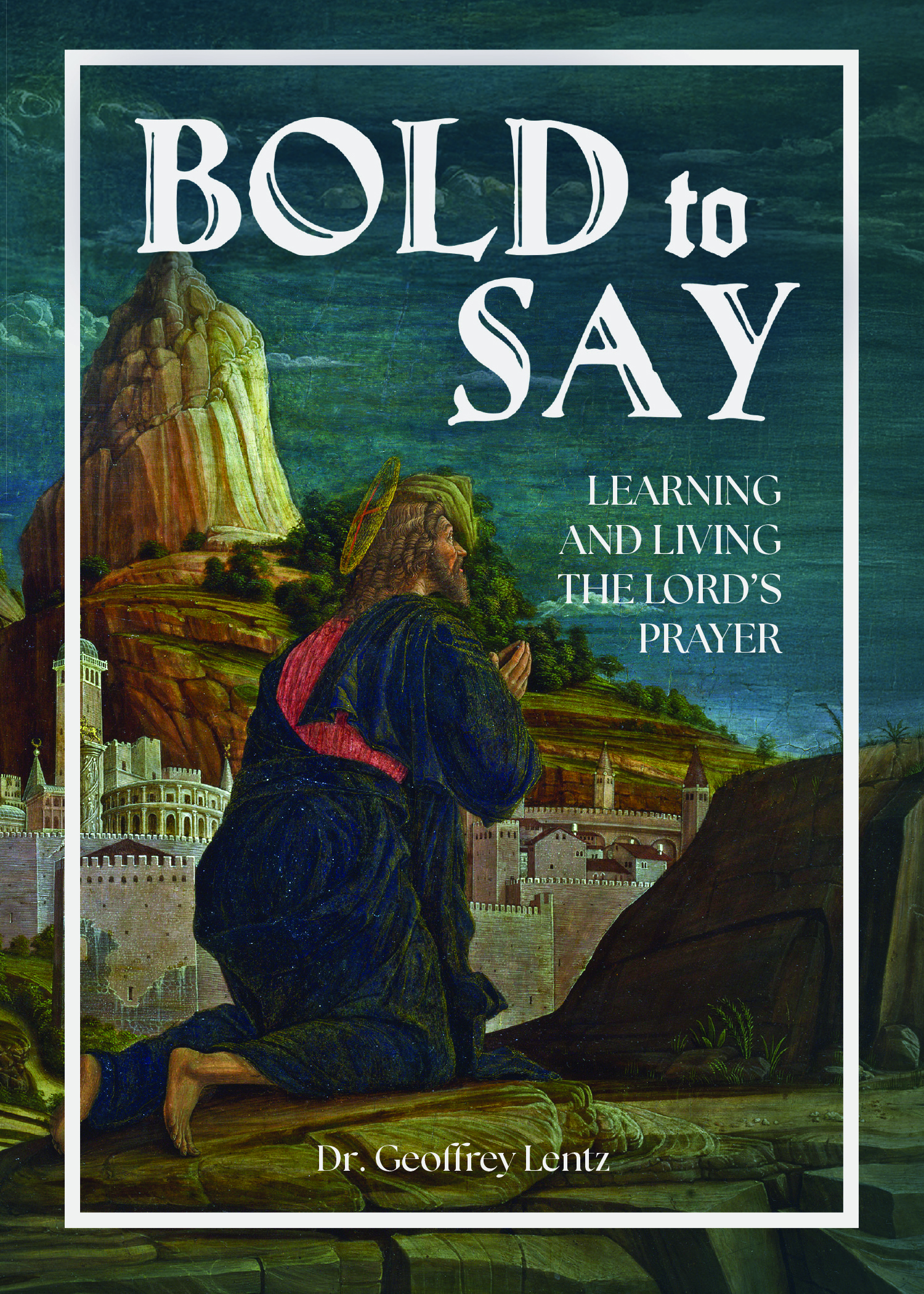
  • Bold to Say

    Bold to Say

    Is your prayer life stuck?

    Bold To Say shakes up traditional views and reveals the radical, even weird, power of the Lord’s Prayer. Dr. Geoffrey Lentz challenges readers to move beyond comfortable routines and embrace the revolutionary nature of this ancient prayer.

    More than a simple recitation, it’s a call to surrender, transformation, and a bold encounter with a God who is both transcendent and intimately present.

    Prepare to have your assumptions challenged and your faith ignited.

  • God Still Speaks

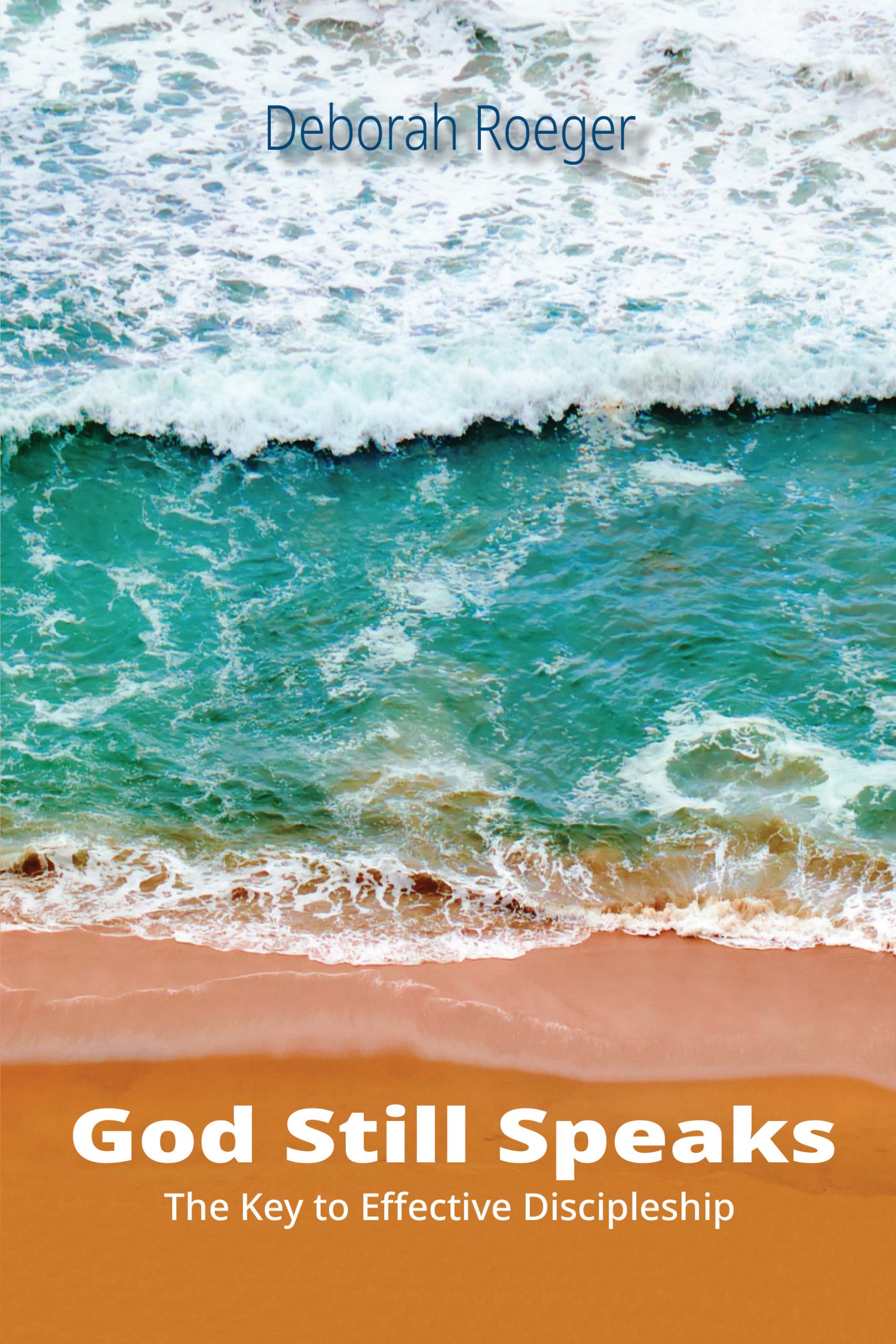
    God Still Speaks

    Can I hear God’s voice? How can I be sure I am hearing correctly if I do? What does the Bible say about this?

    In this thoroughly Scripture-based guide, Bible teacher Debbie Roeger says we can. Building on a biblical foundation, she provides clear testimonies from people of various walks of life, not only hearing God speak, but putting what God says into action in more effective discipleship. God Still Speaks joins God’s growing arsenal of resources about hearing His voice.  A feature that distinguishes this book from others previously published is the more than 80 personal testimonies from family and friends describing their experiences of hearing God. Those testimonies make this book a valuable resource for everyone without regard to the level of experience they have hearing God’s voice.  The book’s centerpiece is an extended discussion differentiating God’s voice and the voice of the accuser.  Because hearing and obeying God is how we come to know Him, proficiency is key to effective discipleship as Christ-followers.

    This book is suitable for individual reading but will find its most powerful role as a study for small groups, or for church-wide use.

  • Just a Little Walk with Jesus

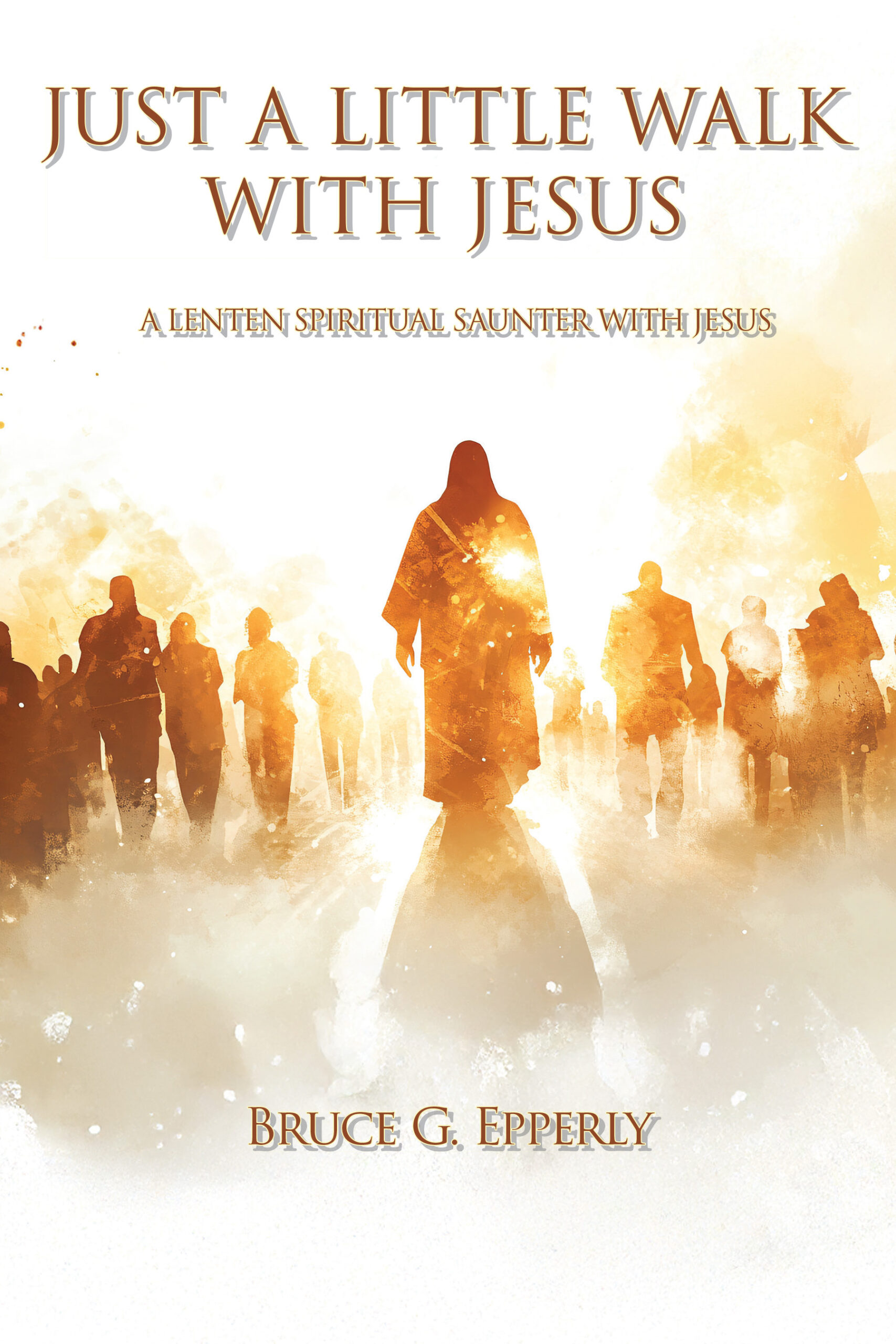
    Just a Little Walk with Jesus

    Embark on a forty-one-day holy adventure whose impact will last a lifetime.

    Just a Little Walk with Jesus invites you to experience the Lenten season-or any season of life-as a spiritual saunter. Rooted in the concept of walking with an open spirit toward the “Holy Land” (Sainte Terre), this devotional journey blends intentionality with serendipity, encouraging you to slow down, notice the wonders and beauties of life, and let your steps be guided by beauty and surprise.

    Guided by the Gospel of Mark, which proclaims the good news of movement and the lively presence of God’s revelation, you will follow Jesus as he is constantly on the road, transforming lives through word, touch, and presence.

    In a troubled time in the United States and the maelstrom of the twenty-first century, this journey addresses both personal and societal challenges. Through daily scripture and devotional readings, author Bruce G. Epperly invites you to deepen your connection with Jesus, who is presented as a companion, guide, and challenger.

    Through the Lenten saunter, you will:

    • Discover who Jesus is but who we really are, claiming your vocation for just such a time as this.
    • Experience the Millisecond Coming, the moment-by-moment healing presence of Jesus in your daily life.
    • Align your steps with Jesus’ path of healing, wholeness, and prophetic ministry.
    • Move your spirits and expand the circumference of your compassion to embrace all creation.
    • Be inspired toward compassionate activism, resisting temptation and tyranny with courage and compassion.

    The forty-one days are designed to guide you through reflection and temptation, culminating in the Empty Tomb and an Open Future. Let prayer and song be your guide on this pilgrim journey with Jesus, knowing that in the wilderness, Jesus is walking right beside us.

  • You’re Probably Wrong (And So Am I)

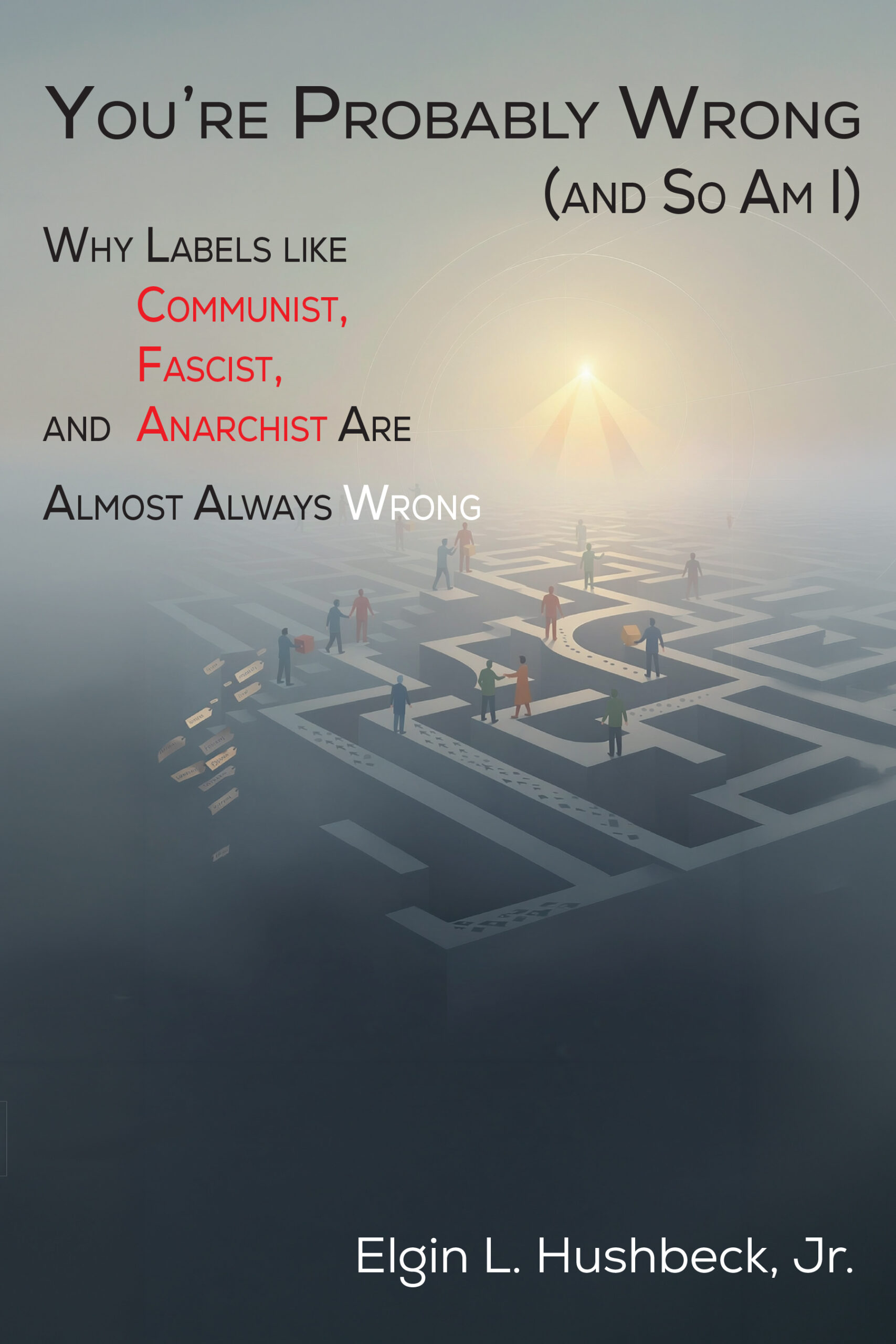
    You’re Probably Wrong (And So Am I)

    In a polarized world where name-calling and accusations split the country into various factions, it is incredibly tempting to think that anyone who disagrees with you is simply uninformed or fundamentally flawed.

    While it is easy to assume that those with opposing views are ignorant or ill-intentioned, Elgin L. Hushbeck, Jr. argues in You’re Probably Wrong (And So Am I) that the reality is far more complex. Disagreements are often not about one side being “right” and the other “wrong,” but rather stem from our inherent lack of perfect knowledge and the different ways we process information. By recognizing that our personal views are often an amalgam of facts, opinions, and ingrained errors, we can move past the assumption of deficiency in others and begin to understand the true roots of our social discord.

    Many political disputes are actually clashes over definitions and foundational values rather than simple facts. For instance, a debate over “tax burden” might reveal that both sides are factually correct, yet they are using entirely different definitions of what a tax entails. Furthermore, the book explores how the fundamental political divide is often a delicate balancing act between the mutually exclusive values of liberty and equality. Because an increase in one often requires a decrease in the other, intelligent and compassionate people will naturally reach different conclusions based on which value they prioritize.

    Hushbeck further clarifies the political landscape by tracing our modern labels back to the competing ideals of the French and American Revolutions. He demonstrates that the conventional political spectrum is often nonsensical, particularly in its placement of Fascism on the far right. By revealing that Fascism actually originated as a left-wing rejection of individual liberty in favor of total state control, the book explains why labels like “Communist,” “Fascist,” and “Anarchist” are almost always historically inaccurate and toxic to genuine discourse. Instead, he proposes a clearer framework that separates democratic debates over government size from the authoritarian spectrum of absolute control.

    The only way to resolve these deep-seated disagreements is through honest, open discussion that seeks to clarify definitions and uncover underlying foundations. Pick up your copy of You’re Probably Wrong (And So Am I) today to move beyond the name-calling and start practicing the principles of effective dialogue. By learning to tolerate opposing views and prioritizing truth over partisan bickering, we can finally move toward a better understanding of one another and the complex world we share.
  • Process Theology

    Process Theology

    Process theology is considered a very complex and difficult to understand system. Is it possible to get a basic grasp of what it is and how it impacts our lives and service to others?

    In this brief, lively, and engaging book, Dr. Bruce Epperly untangles the difficult concepts of process theology and shows how we can envision a God who is in relation to us throughout our lives here and in the next world. He believes that “God is present at the moment of our conception, guides us through the adventures of this lifetime, urging us to rejoice in embodiment and bring healing to our world, and upon our final earthly breath receives us with open arms with visions of future adventures in communion with God and our fellow creatures.”

    Not only is this theology easy to understand, but it also challenges us to live out God’s adventure in with joy, sharing God’s life with all of God’s creatures.

    This book is an excellent introduction to process theology, useful for small groups or individual study, and includes a list of resources for further study.

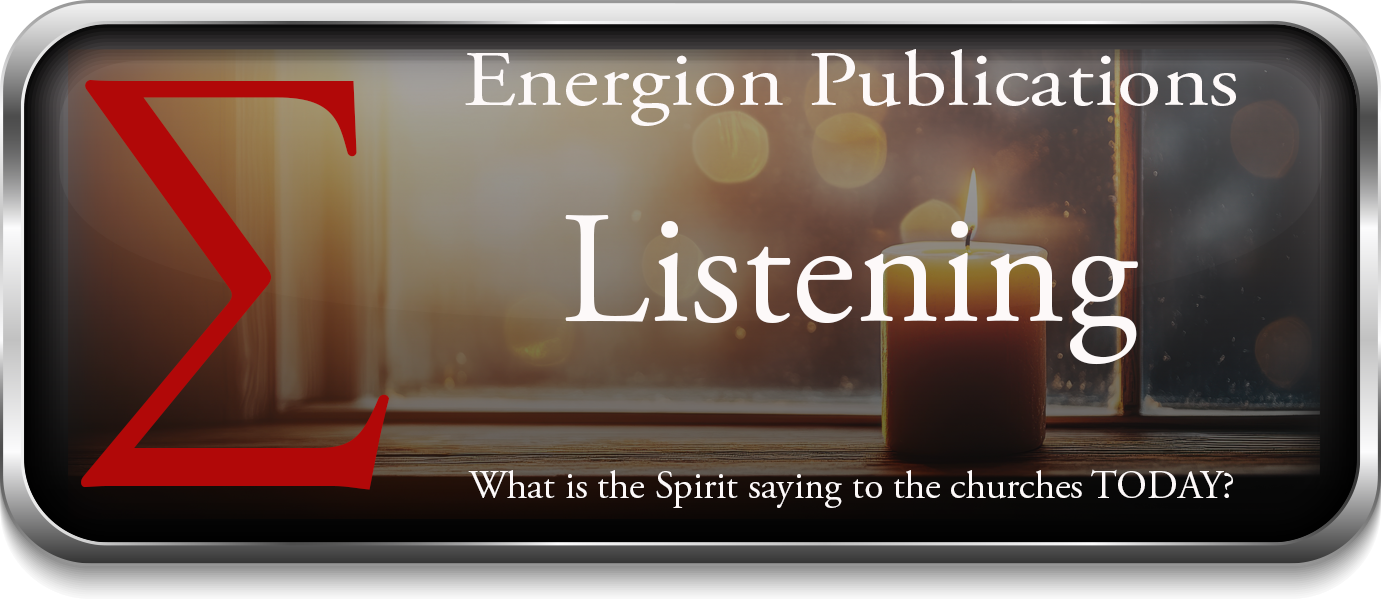
  • The Ground of God

    The Ground of God

    The pace and assumptions of modern life often make the pursuing of things of the spirit difficult.

    The Ground of God: Contemplative Prayer for the Contemporary Spirit leads the reader to a rhythmic cycle of read, pray, examine. Its four sections work together to encourage growth in one’s spiritual life through this cycle so that the reader is drawn step by step into an active and wholly engaging spirituality. Living a prayer-filled, Bible-based life leads the reader to ask the question: What on earth is so commanding? Who is in command?

    The jewels in The Ground of God are found in 60 brief essays that provide the central core, strength, and inspiration of the book. The essays are grouped in sets but can be read in any order. Each one page essay stands alone with completeness of thought. Essay sections include: the Lord’s Prayer, the Beatitudes, and the Prayer of St. Francis. The Ground of God offers instructions for contemplative prayer, with small group formation guidelines. The book ends with guidelines for individual self-examination of consciousness.

    No one prays alonge. When we pray we join in a steady stream of prayer that began with the prophets over 2000 years ago. With the world around us in a constant state of flux and tension, there is a special grace in knowing there is a place that is sacred and unchanging, a place where we can go to be renewed in the love that is ours by way of God’s grace. Moses took off his shoes to stand on the ground that is holy. The holy ground remains and is ours today that we might remove our shoes and release our hearts to come before God empty handed and open hearted, trusting in God to bring us away from confusion and toward clarity of mind and heart. We might ask: what on earth is so commanding? Who is in command?

    The Ground of God closes with a brief essay “God’s Mercy: the Grace of Tenderness.” It’s a good place to start, reminding us that the creative spirit soars when given free reign in the ground of God. In can be used as a guide in one’s individual spiritual journey or for group study.


Energion Direct
Privacy Overview

This website uses cookies so that we can provide you with the best user experience possible. Cookie information is stored in your browser and performs functions such as recognising you when you return to our website and helping our team to understand which sections of the website you find most interesting and useful.