
Tag: The Lord's Prayer

  • Rediscovering the Power of the Lord’s Prayer

    Rediscovering the Power of the Lord’s Prayer

    Rediscovering the Power of the Lord’s Prayer

    Prayer as Advent – God with Us

    While the Lord’s Prayer is ancient and familiar, three titles from Energion Publications invite readers to encounter it with fresh eyes. Whether you are looking for a radical spiritual wake-up call, a study on Christian character, or a guide connecting prayer to social justice, these books offer a path to diving deeper into the prayer of Jesus.

    Bold to Say

    Ignite your stalled engine and find power for a radical new start.

    Author: Dr. Geoffrey Lentz
    Focus: Spiritual Ignition and Radical Encounter
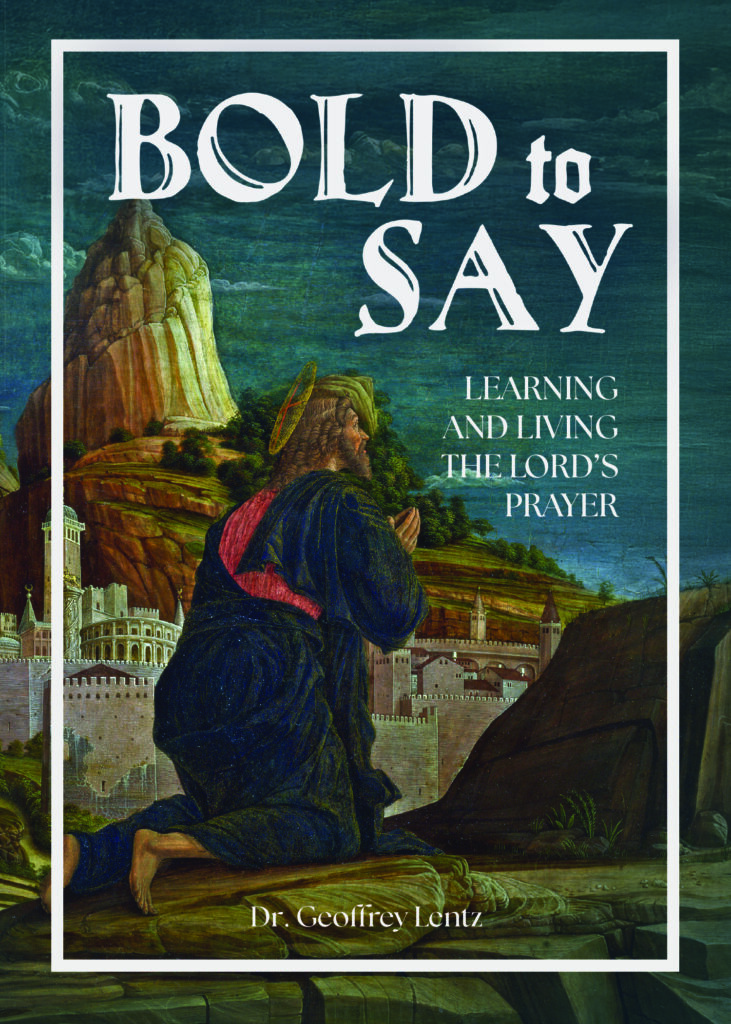
    If your prayer life feels stuck or routine, Bold To Say serves as a spiritual wake-up call. Dr. Geoffrey Lentz challenges readers to step out of “comfortable routines” and confront the “revolutionary nature” of this prayer. Rather than viewing the prayer as a simple recitation, this book presents it as a vehicle for surrender and transformation. It is designed for those seeking a bold encounter with a God who is described as both “transcendent and intimately present,” shaking up traditional views to reveal the prayer’s “radical, even weird, power”.

    Ultimate Allegiance

    Orient yourself, choose your direction, ensuring your loyalty and character are aligned correctly with God and community.

    Author: Dr. Bob Cornwall
    Focus: Theology, Character, and Community Allegiance
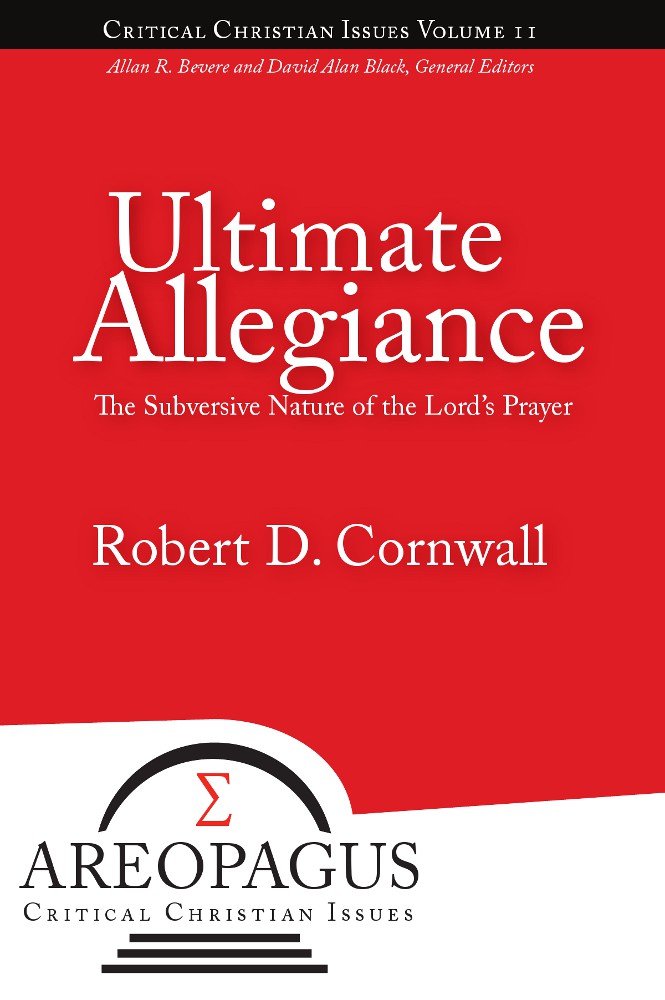
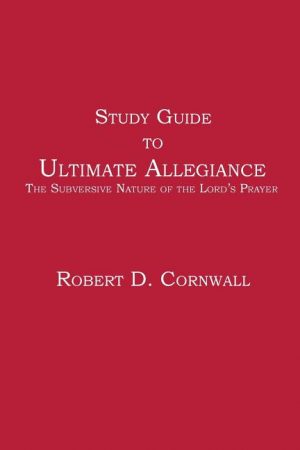
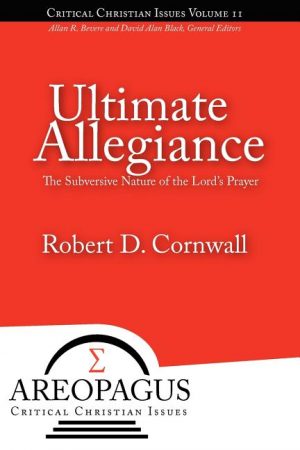
    Ultimate Allegiance

    “Prayer changes things,” but Ultimate Allegiance asks how prayer changes us. Dr. Bob Cornwall explores how the Lord’s Prayer serves as a means to correct our relationship with the Creator and transform our relationships with one another. This book argues that prayer should ultimately transform “theology… into character and action”. By examining the major petitions of the prayer, Cornwall pushes readers to answer the ultimate question of where they place their loyalty.

    This book is designed specifically for small group or church studies, particularly when used with its related study guide.

    One World

    A map for navigating the specific terrain of the modern world, connecting the spiritual journey to the physical environment around us.

    Author: Bruce Epperly
    Focus: Process Theology, Social Justice, and Practical Application
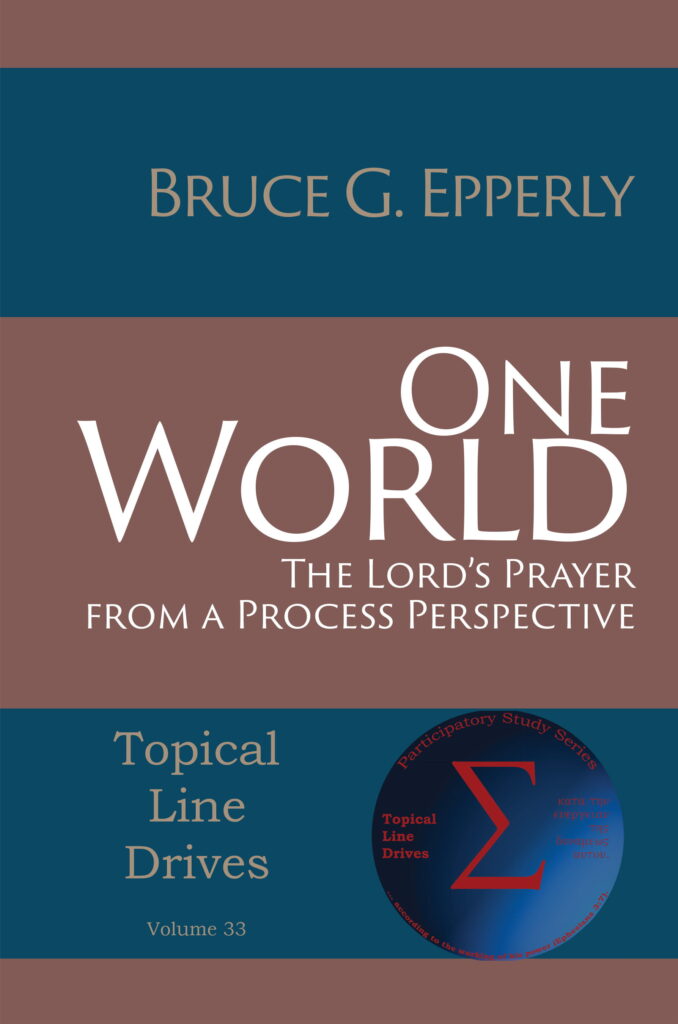
    In One World, best-selling author Bruce Epperly presents the Lord’s Prayer as a “spiritual GPS” for the modern world. Writing from a process theology perspective, Epperly moves beyond the image of a distant ruler to introduce a “relational, open-spirited” God who is a “fellow sufferer who understands”. This book connects the prayer directly to contemporary issues, such as economic justice, environmental stewardship, and community healing, challenging readers to be “heavenly minded and earthly good”.

    • Key Features: As part of the Topical Line Drives series, it offers deep scholarship in a concise format. It includes practical spiritual exercises like the Examen and Lectio Divina, as well as a study guide for conversation.
  • Book Extract: Forgive as We Are Forgiven

    Book Extract: Forgive as We Are Forgiven

    The following is an extract from pages 34-35 of Ultimate Allegiance: The Subversive Nature of the Lord’s Prayer by Robert D. Cornwall. It is posted here as background for the ongoing discussion on the law in scripture.

    To start with Luke, the Greek word used here is hamartia. This is, in contrast to Matthew’s usage, theological language. It speaks of falling short of God’s expectations or breaking divine laws. When we think of sins, we think of our relationship with God and the ways in which we break God’s laws. But if God is forgiving us our sins, as we forgive those who sin against us – how would another person sin against us? Could it be words spoken in anger? Slurs against the character of another? Gossip? Perhaps, our understanding of Jesus’ usage here is illuminated by looking to the words of an earlier teacher, the Wisdom of Sirach:

    Forgive your neighbor the wrong he has done, and then your sins will be pardoned when you pray.

    Sirach 28:2

    Although the words of Sirach seem more conditional than do those of Jesus, both suggest that our own condition is related to how we deal with the other. Once again, we hear the communal nature of this prayer, which subverts our sense of self-sufficiency or, at the very least, the individualism of our spiritual experiences of God (Culpepper, “The Gospel of Luke,” 9:235).

    Matthew’s use of the word debts (opheilemata – Greek), suggests economic implications or perhaps questions of loyalty. It could be said that, at least in regard to God, we stand indebted to God for all that we are and all that we have as human beings. This would include our own identity, which comes to us as a gift of God. If this is true, then we owe God our loyalty, our gratitude, our very lives. But how do we forgive the debts owed to us? In thinking about this question, the situation in Haiti seems illustrative.

    Here is a nation that has lived in deep poverty from the day of its birth. Then a natural disaster, in the form of a massive earthquake, added to the nation’s already overwhelming misery. Even as people
    from around the world, including thousands of church people, contributed to its relief, questions were raised as to how a country could find itself in such dire straits. Reading the history of Haiti, one discovers that the nation had mortgaged its future simply to break free from French rule. Over time, due in part to embargoes and poor leadership, the nation’s debts continued to grow. As a result, it had to give away even more of its natural resources in order to pay this accumulating debt. At this point in time, it would
    seem that the only way for this country to break free of its misery is for the debt-holding nations to follow the injunction of this prayer and forgive its debt. To forgive a debt is to set another free.

    One need not go to Haiti to find examples close to home. As I write this, the United States (along with much of the world) is facing a severe financial crisis. There are untold numbers of people, good law-abiding and honest people, who find themselves no longer able to pay their mortgages or owing far more on their mortgage than their homes are now worth. As a result, many are simply walking away from their homes, leaving the homes and their investments in the hands of the banks. The issue of debt has significant implications for people of faith. If we have been forgiven our debts by a gracious God, how should we handle the debts of those who are indebted to us?

Energion Direct
Privacy Overview

This website uses cookies so that we can provide you with the best user experience possible. Cookie information is stored in your browser and performs functions such as recognising you when you return to our website and helping our team to understand which sections of the website you find most interesting and useful.