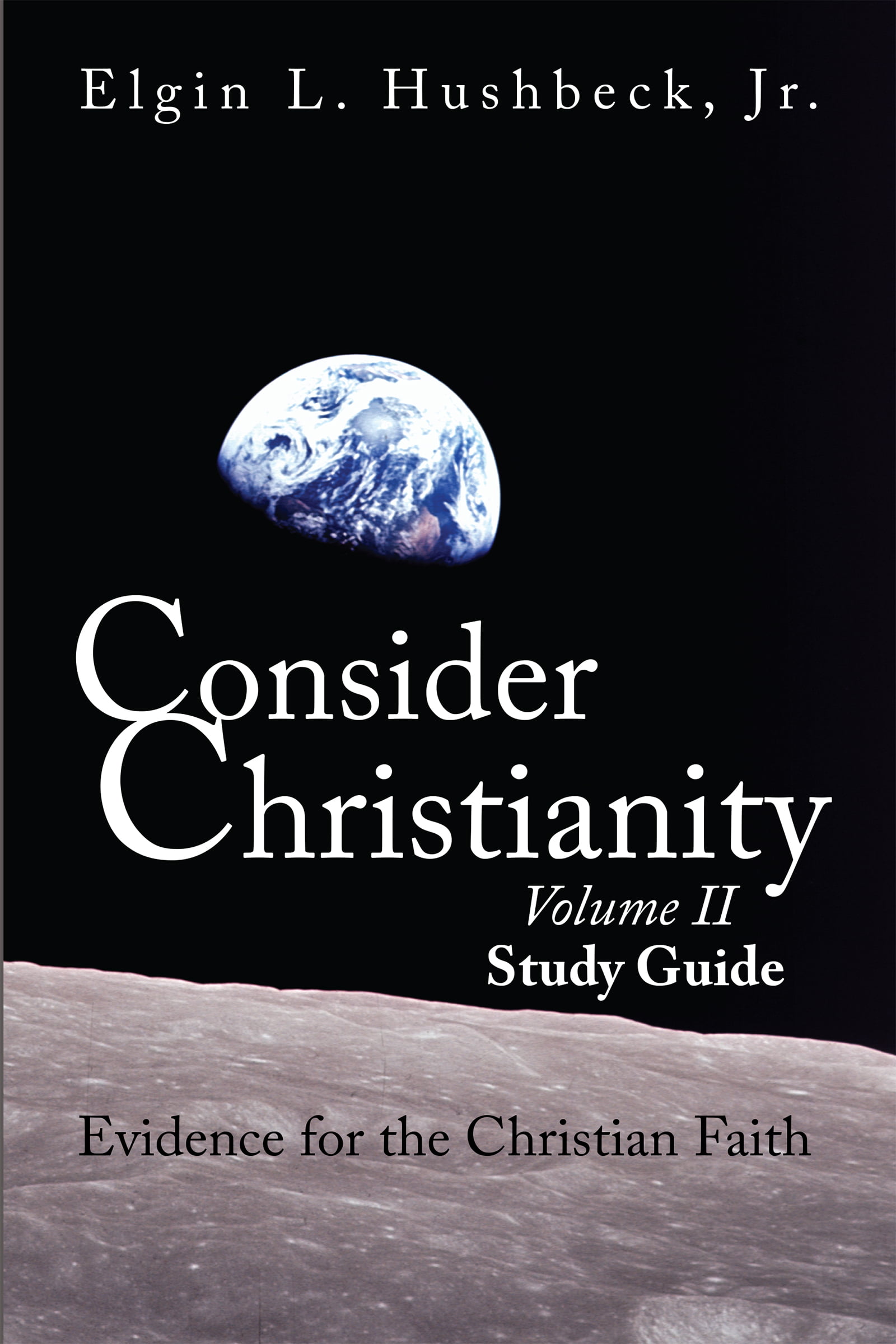
This study guide is designed to accompany Consider Christianity, Volume 2: Evidence for the Christian Faith. It will help you, your small group, or your church congregation prepare themselves to give an answer for the hope that is in them (1 Peter 3:15). It features: 1. Fact questions to aid in review and memory of the material in each chapter. 2. Thought questions to stir up your thinking and help you develop a deeper understanding of some of the key issues raised in each chapter and the arguments you will use to defend your faith 3. Real World Problems mostly using actual statements questioning the reliability of the Bible to help you prepare use the information learned in the book to address the types of challenges you are likely to encounter.
Imprint: Energion Publications
Our main Energion Imprint
-
Crossing the Street (2nd Edition)
The rift between Protestants and Roman Catholics continues to separate Christians from one another and to diminish our witness in the world.
Words such as “heretic,” “apostate,” “idolater,” and “papist” have characterized much of the discussion over the last several centuries since the reformation. While changes in both groups over the last few decades have improved the tone of the discussion, much remains to be accomplished.
Author Bob LaRochelle, as a former Roman Catholic and now a United Church of Christ minister, is well-equipped to guide us toward a more constructive relationship. Crossing the Street speaks to the heart of the Energion Publications mission statement by advocating a “mainstream ecumenical center” in which Roman Catholics and Protestants can come to a deeper appreciation and understanding of the gifts they bring to one another. It demonstrates ways in which these traditions have misunderstood one another and even themselves, and then proposes strategies for both ecumenical cooperation and self-understanding.
This book is founded in a thorough understanding of both traditions and a commitment to ecumenical dialog and cooperation. It addresses both theory and practice. In a series of four chapters, it examines how we live in our own houses, the author’s own story, and then the gifts that each group offers the other.
This second edition includes a new preface, updating the book concerning changes in the Roman Catholic church under Pope Francis along with connected changes in the relationship between Roman Catholics and Protestants.
-
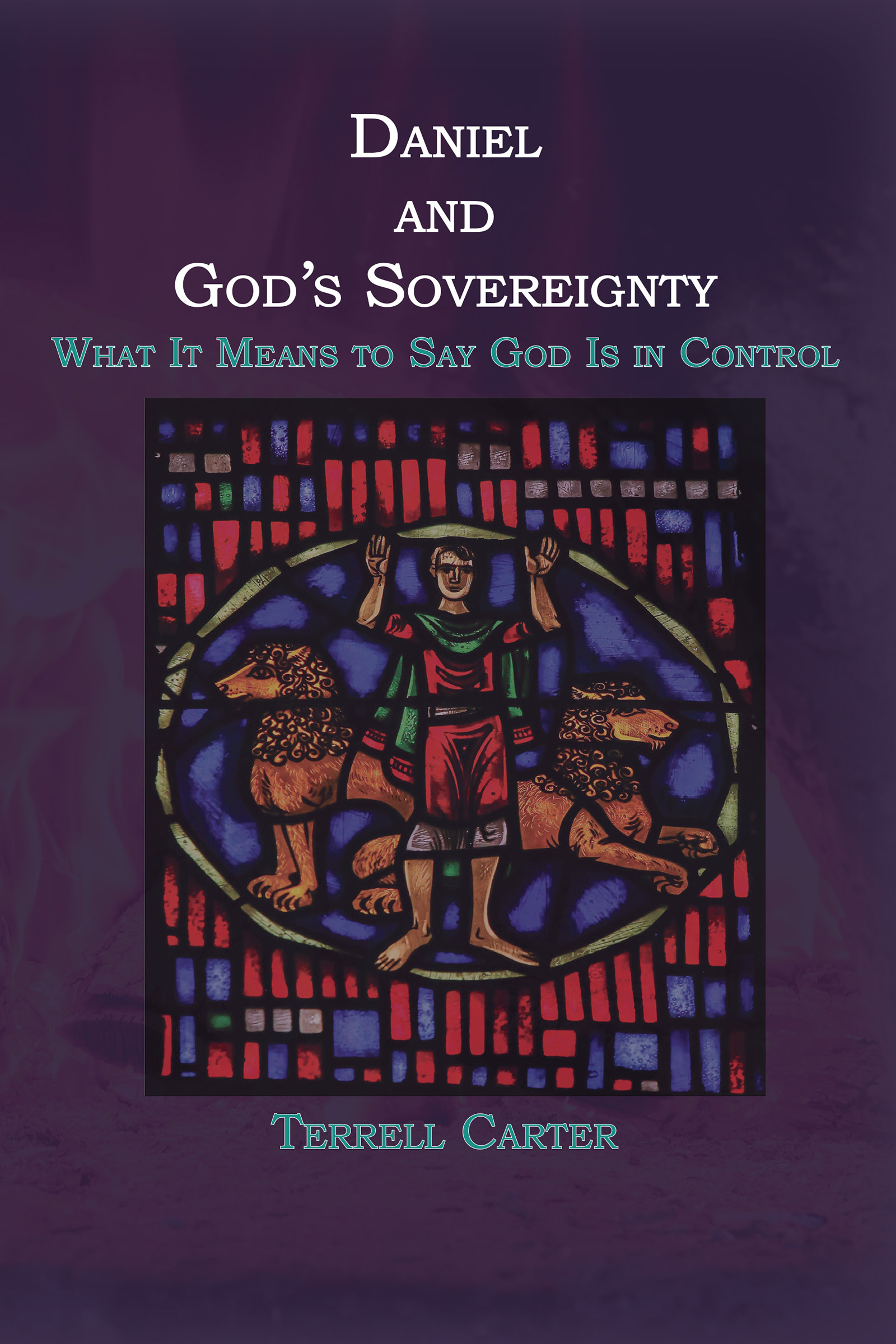
Daniel and God’s Sovereignty
When Christians approach studying the book of Daniel, they most commonly think about beasts and complex prophecies. But what is the value of the stories from the first half of the book?
Dr. Terrell Carter takes a look at these stories and what they tell us about God and ourselves, about living in horrible situations, and responding to unimagined pressure and hardship. How does one maintain a strong relationship with God while living in a land and in a society where one’s values are not the norm?
Daniel and his friends are confronted with such circumstances in these stories from the early chapters. Certainly the stories are examples both of moral and ethical decision making and of God’s miraculous activities, but they are also stories that give us an understanding of God. When and why does God intervene? What does this mean about God’s activity—and ours – on this troubled planet?
You’ll find in this book that the stories so commonly told in Sunday School are not just a matter of wonder, but are dealing with the basic questions of human life and of God’s sovereignty, of our duty and God’s action.
This book is suitable for Bible study groups as well as for individual reading.
-
Doing Apologetics
Christian apologetics suffers from a reputation for loud arguments, canned answers, and a fascination with technical details.
Some Christians avoid apologetics because they are either concerned about offending people, or because they are afraid they will be unable to answer technical questions.
These concerns and fears are unnecessary. Elgin Hushbeck, Jr., unapologetic Christian apologist points the way toward a Christian witness that is positive and is possible for everyone. In fact, Hushbeck maintains, all Christians testify to their faith, simply by bearing the name “Christian” and living. By emphasizing listening, respect, and most importantly, a realization that the fruit of our endeavors is God’s responsibility, he invites all of us to apologetics that is centered in our own testimony and in building genuine relationships.
This is a short but powerful book. It will help you approach your witness without fear or worry. Anyone can read the book quickly. It won’t give you all the answers, but it will reassure you that you don’t need all the answers. Nobody else has all the answers either. But what you can do is pursue conversations and depend on relationships within the church to help you. “I don’t know,” is a valid answer.
This is a book for every Christian, but it will be especially helpful to those who teach in the church. Have a few copies on hand, and when people ask you how they can be a witness, hand them a copy. It’s a short read, but it can change forever how each person carries out the gospel commission.
-
Ephesians
Following the outlines of the Participatory Study Method, Dr. Robert Cornwall presents a study guide to the book of Ephesians that is both usable and challenging while not skirting the difficult issues.
These eight lessons take you through the letter leading from the history and background to modern application and sharing in corporate study and worship. Whether you are approaching this book as an individual, as a small group, or in a larger classroom setting, this study guide will provide you with direction, exercises, and questions for discussion and further investigation.
This study guide will be useful for individual study, as a guide to key topics in Ephesians, or for small groups.
-
Faith and Reason
Consider Christianity Series, Volume 3
What is faith and how does it differ from belief? How do people disagree, and why do people disagree? In particular, how does one make decisions about faith? Does reason enter into the discussion at all?
Elgin Hushbeck, Jr., author of two previous books in the Consider Christianity series, Evidence for the Bible and Christianity and Secularism, is very much concerned with these questions. After all, how can you conclude that the Bible is reliable or that Christianity is valid without discussing how it is that these questions are to be answered.
In Faith and Reason, Hushbeck continues what is both a long-term study and a journey of faith. This combination is particularly powerful, because he is discussing issues which have concerned him and others, and is speaking of something he has experienced. He is extraordinarily well-qualified to examine these issues in detail.
Unlike the first two volumes in the series, this book is directed more at a Christian audience. It calls for Christians to consider the “why” of their faith and to prepare to both consider and express. Amongst the many important topics covered are the definitions of “faith” and “reason,” the nature of evidence, critical thinking, logical fallacies, how critical thinking impacts Bible study, and finally what constitutes a living faith.
This book will be a powerful tool for Christians who want to think more clearly about their faith, but can be valuable for anyone interested in epistemology, especially in comparative religion.
-
Faith in a Time of Pandemic
 How can we respond spiritually when a pandemic hits our nation? How can our faith help us to face our fears, going beyond panic and denial, to hopeful and courageous action?
The Coronavirus is changing everything in our society. It can provoke isolation and self-interested individualism. It can also inspire kindness, generosity, patience, and compassion. Facing the pandemic with God as our companion will deepen our sense of agency as well as peace and move us from self-interest and nation-first to planetary loyalty.
This text provides a theological, pastoral, and spiritual pathway to help you, your family, and congregation find your way through the wilderness of the Coronavirus pandemic.
ISBN: 978-1-63199-462-3
-
Faith Never Stands Alone
The relationship between faith and action has troubled Christians since there have been any Christians to be troubled! Is there such a thing as faith without works? Can faith be grown, and if so, how?
Ron Higdon, drawing on a lifetime of ministry, experience, and study, sets out to help with these questions. He teaches that faith is a risky business, it is always connected to action, it doesn’t protect us from life’s difficulties and tragedies. In fact, it appears, faith can be hard work!
Each chapter includes introductory ideas with biblical sources, followed by reflection, a section of quotations to drive your thinking, a few conclusions and then thought questions.
This is a practical book designed and intended to help you live out your life as a Christian. It is suitable for individual reading and study, but also well laid-out for small group or Sunday School usage.
-

Family Secrets – Divine Destinies
What would it look like if the expression “God-incidence” was embodied in a novel? It might well be titled Family Secrets.
In this fast-paced novel combining romance, intrigue, adventure, and yes, theology, Nancy Petrey brings to life the questions of God’s guidance, miracles, and the difficulties of standing as one of the faithful in a difficult time.
She also addresses issues of antisemitism, love, forgiveness, and redemption. As her characters explore their Jewish roots, the action moves from Mississippi State University, to churches and synagogues, to homes in New York City, to the Land of Israel, the action never stops.
Though this is fiction, the history is carefully researched, and the book features Dr. Michael Brown, the world’s foremost Messianic Jewish apologist and author, whose ideas and teaching are influential.
This book is fun, educational, and profoundly challenging.
-

Family Secrets 2 – Double Destinies
God works, and those who spend time in prayer and live with the expectation of God’s presence see this most often.
In this fast paced and powerful sequel to Family Secrets – Divine Destinies, Nancy Petrey combines exciting action, romance, and powerful realistic Christian living in a story that will grip you, challenge you, entertain and teach you. All at once.
You will experience the daily excitement as the primary characters, college-age young people, seek God’s guidance while living active, fulfilling lives. Their lives are real and genuine, but in no way boring or dull.
The couples – two couples introduced in the first book – are strong, both as individuals with their own personalities, but even stronger together as they bear fruit for God’s kingdom. setting people free from spiritual bondage, forgiving their enemies, and turning away from worldly acclaim in a music career to fulfill their God-given destinies.
If you have been looking for a book with strong moral values and people who live up to them, who aim to seek God’s kingdom whatever it takes, Family Secrets 2 – Double Destinies is for you.
-
Finding Stability in Uncertain Times
Subtitle: Some Things That Hold Firm When Everything Seems To Be Falling ApartWhat should you do when everything seems to be shifting and you can’t find solid ground? Some try to pretend the shifting things are truly solid. Some cling to things that cannot provide security.
In this practical book, author and pastor Ronald Higdon suggests we find the really stable things and learn to handle and grow from the things that must change. He brings to this process a lifetime of experience and deep theological reflection. The result is a practical survival guide to living a faithful life in a changing world.
Some of the topics he addresses include continuing to learn throughout our lives, relationships, the manipulation of our lives by anger and fear, the reality of evil, and yes, the fact that change is inevitable no matter how hard we fight it.
Each chapter includes questions for further study and thought, making the book suitable for use in group study as well as for individual reading.
Finding Stability in Uncertain Times will be useful to all those who are struggling in their Christian walk. Who can say that they are living without any struggle?
-
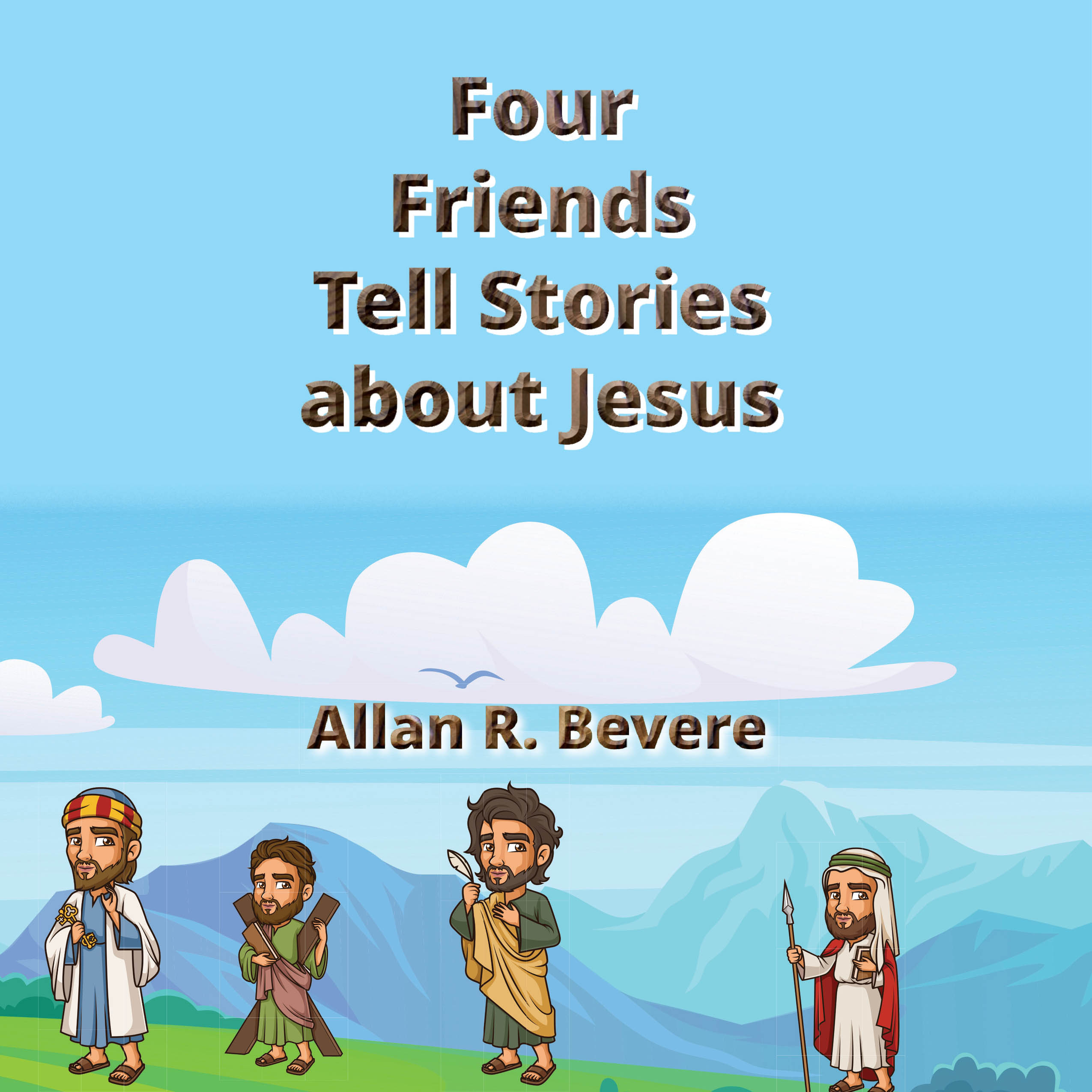
Four Friends Tell Stories about Jesus
Written by a New Testament scholar, pastor, father, and grandfather, this book combines easy-to-read language and simplified vocabulary with faithfulness to the canonical gospel accounts.
If you are a parent, grandparent, or teacher who would like to combine personal attention, growth in reading, and a faith built on genuine scriptural material, Four Friends Tell Stories about Jesus will help you take children on a tour of the story of Jesus that is built on the four gospels and presented so as to be faithful to the individual stories, while also echoing the fourfold gospel account. In these stories Jesus will become more real to your children.
The book uses full color illustrations in multiple styles with images that show Jesus, his original audience, and modern people trying to reflect his teaching so that anyone can relate.
While it is aimed at parents and grandparents, it will also be useful in Sunday School and other religious education programs.