Imprint: Energion Publications

Our main Energion Imprint

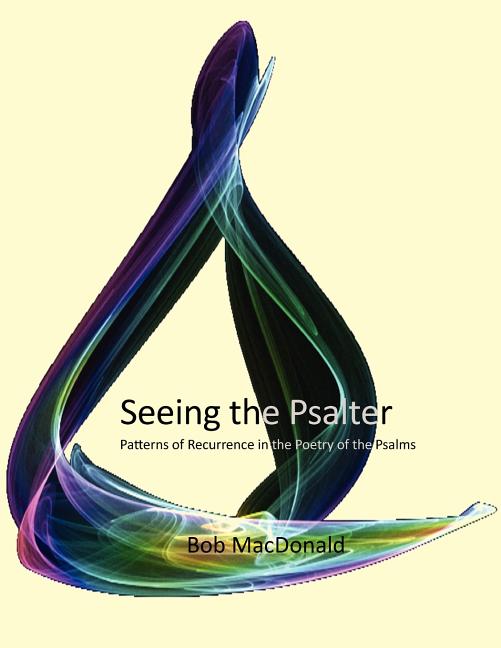
  • Seeing the Psalter

    Seeing the Psalter

    What is the key to both seeing and hearing the ancient poetry of the 150 Psalms?

    Seeing the Psalter is a detailed examination of patterns of repeated words and sounds in each psalm and between psalms. The obvious surface soundscape is generally obscured by translations from the Hebrew. The translation in this book preserves the sounds of repeated words and their patterned sequences so that readers can hear this primary technique of the ancient writers.

    It is true that parallelism is an important concept, but it is partially subjective, whereas repeated sounds are objective if they are preserved. It is also true that there is a third important factor, the music embedded in the Hebrew text itself. This translation includes an introduction to the music.

    These poems of the Psalter are among the most beloved of all poetry. Now they can be read in English paying attention to the patterns of word usage in the Hebrew.

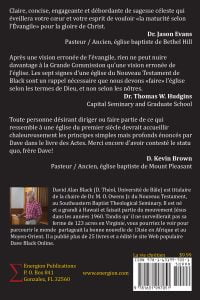
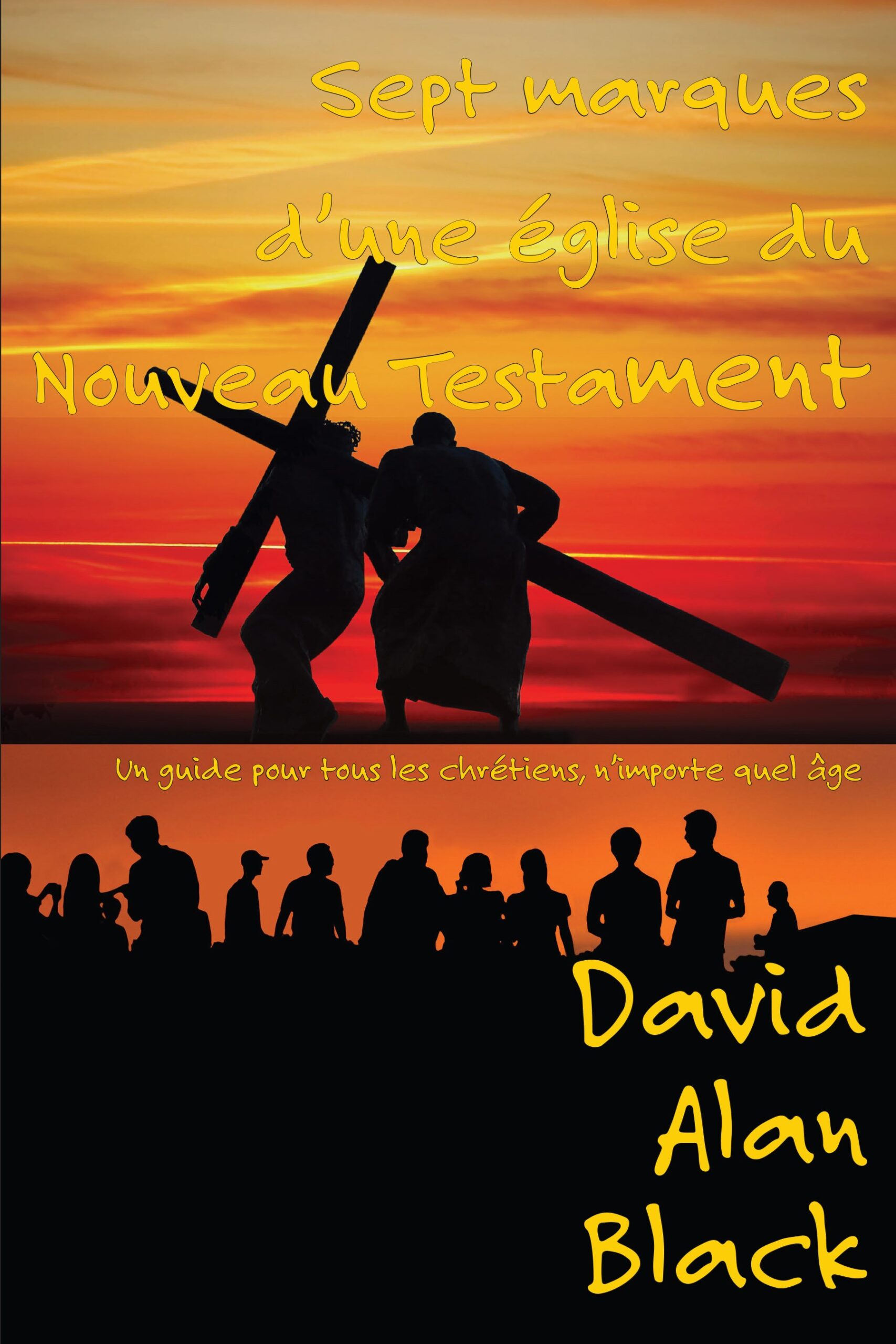
  • Sept marques d’une église du Nouveau Testament

    Sept marques d’une église du Nouveau Testament

    Qu’elle église?

     À quoi cela ressemble-t-elle?

     À quoi devrait-elle ressembler?

    Pour répondre à ces questions, David Alan Black se penche sur l’église du premier siècle et sur nos documents des fondateurs dans le Nouveau Testament. Quelles étaient les caractéristiques d’une assemblée chrétienne au premier siècle?

    Dans son étude, il trouve sept éléments qui définissent ensuite l’église:

    • Prédication évangélique
    • Baptême chrétien
    • Enseignement apostolique
    • Véritables relations
    • Rassemblements centrés sur  Christ
    • Prière fervente
    • Vie sacrificielle

    Black estime que chacune de ces choses devrait également caractériser nos églises du XXIe siècle. Et c’est le défi.

    Comment pouvons-nous appliquer ces principes dans nos propres vies et dans nos congrégations d’église?

    Ce bref livre ne répondra pas à toutes vos questions. Il  vous indiquera la bonne façon de trouver les réponses.

    En fin de compte, Dave Black estime que «plus nous comprenons les Écritures, plus nous comprenons notre responsabilité de soumettre nos vies et notre avenir à ses enseignements radicaux».

    Voici le défi. Voulez-vous y répondre?


    What is the church? What does it look like? What should it look like?

    For answers to these questions David Alan Black looks to the first century church and our founding documents in the New Testament. What were the characteristics of a Christian assembly in the first century?

    In his study he finds seven things that defined the church then:

    • Evangelistic Preaching
    • Christian Baptism
    • Apostolic Teaching
    • Genuine Relationships
    • Christ-Centered Gatherings
    • Fervent Prayer
    • Sacrificial Living

    Dr. Black believes each of these things should characterize our twenty-first century churches as well. And that is the challenge. How can we apply these principles in our own lives and church congregations? This brief book won’t answer all your questions. What it will do is point you toward the right way to find the answers. Ultimately, Dave Black believes that “the more we understand the Scriptures, the more we understand our responsibility to submit our lives and our futures to its radical teachings.”

    This is the challenge. Will you answer it?


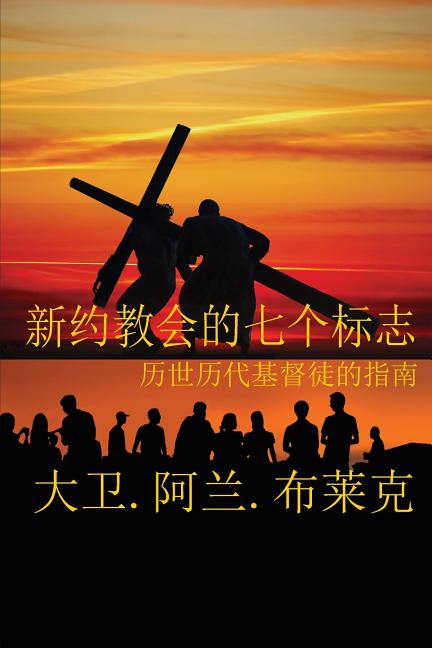
  • Seven Marks of a New Testament Church (Simplified Mandarin)

    Seven Marks of a New Testament Church (Simplified Mandarin)

    What is the church? What does it look like? What should it look like?

    For answers to these questions David Alan Black looks to the first century church and our founding documents in the New Testament. What were the characteristics of a Christian assembly in the first century?

    In his study he finds seven things that defined the church then:

    • Evangelistic Preaching
    • Christian Baptism
    • Apostolic Teaching
    • Genuine Relationships
    • Christ-Centered Gatherings
    • Fervent Prayer
    • Sacrificial Living

    Dr. Black believes each of these things should characterize our twenty-first century churches as well. And that is the challenge. How can we apply these principles in our own lives and church congregations? This brief book won’t answer all your questions. What it will do is point you toward the right way to find the answers. Ultimately, Dave Black believes that “the more we understand the Scriptures, the more we understand our responsibility to submit our lives and our futures to its radical teachings.”

    This is the challenge. Will you answer it?
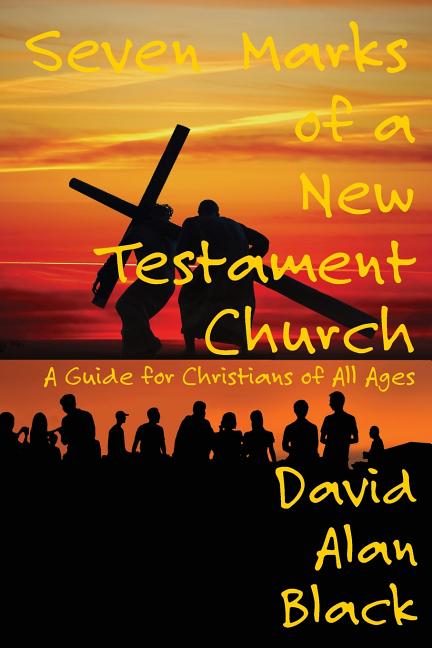
  • Seven Marks of a New Testament Church

    Seven Marks of a New Testament Church

    What is the church? What does it look like? What should it look like?

    For answers to these questions David Alan Black looks to the first century church and our founding documents in the New Testament. What were the characteristics of a Christian assembly in the first century?

    In his study he finds seven things that defined the church then:

      • Evangelistic Preaching
      • Christian Baptism
      • Apostolic Teaching
    • Genuine Relationships
    • Christ-Centered Gatherings
    • Fervent Prayer
    • Sacrificial Living

    Dr. Black believes each of these things should characterize our twenty-first century churches as well. And that is the challenge. How can we apply these principles in our own lives and church congregations? This brief book won’t answer all your questions. What it will do is point you toward the right way to find the answers. Ultimately, Dave Black believes that “the more we understand the Scriptures, the more we understand our responsibility to submit our lives and our futures to its radical teachings.”

    This is the challenge. Will you answer it?
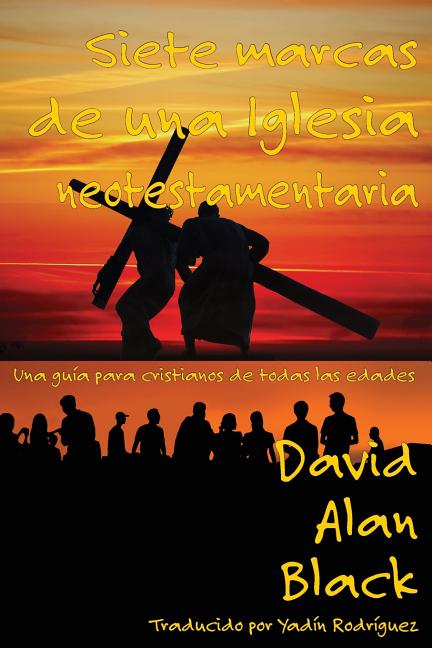
  • Siete Marcas de Una Iglesia Neotestamentaria

    Siete Marcas de Una Iglesia Neotestamentaria

    ¿Qué es la iglesia? ¿Cómo se ve? ¿Cómo debería ser?

    Para obtener respuestas a estas preguntas David Alan Black mira a la iglesia del primer siglo y nuestros documentos fundacionales en el Nuevo Testamento. ¿Cuáles eran las características de una asamblea cristiana en el primer siglo? En su estudio encuentra siete marcas que definieron a la iglesia:

    • Predicación evangelística
    • bautismo cristiano
    • enseñanza apostólica
    • relaciones genuinas
    • reuniones centradas en Cristo
    • oración ferviente
    • vida sacrificial.

    Según Black, cada una de estas marcas debería caracterizar nuestras iglesias del siglo XXI también. Y ese es el desafío. ¿Cómo podemos aplicar estos principios en nuestras propias vidas y congregaciones?

    Este breve libro no responderá a todas sus preguntas. Lo que hará es señalar hacia el camino correcto para encontrar las respuestas. Ultimadamente, Black cree que “cuanto más entendemos las Escrituras, más comprendemos la responsabilidad que tenemos de someter nuestras vidas y nuestros futuros a sus enseñanzas radicales.”

    Este es el reto. ¿Listo?

  • So Much Older Then …

    So Much Older Then …

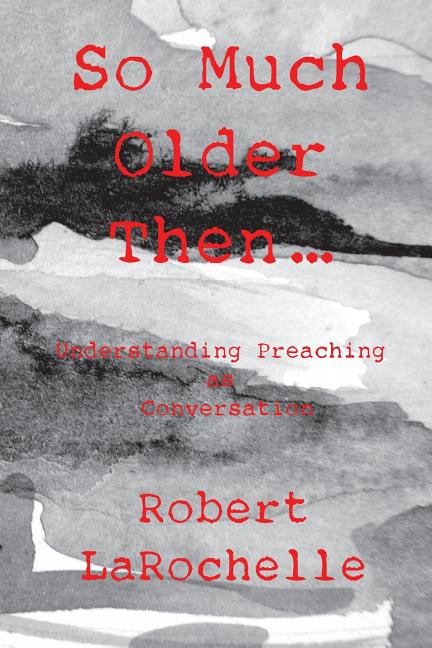
    Pastor and author, Rev. Dr. Robert LaRochelle invites us into his ministry as he shares his experience with some of the most difficult and troubling questions and thought provoking comments he has faced. Through a series of preachings and conversations held in his local church in Connecticut, this book came to be. Within the chapters, Pastor LaRochelle offers his own reflection on each question or statement. He then explains, explores and comments about the discussions that took place on each of these topics, discussions that were actually part of his church’s worship service that morning. These are real life spiritual issues and take the reader on a journey through the insights of a pastor and congregation in real dialogue with one another. The reader is encouraged to engage in conversations on these issues in their own homes, faith communities, through social media and in the various contexts in which they live their lives. To this end, suggested discussion questions will be offered at the end of each chapter. Here are some of the kinds of questions and comments addressed in this helpful book: “Pastor, my wife is in the hospital and they think her cancer has spread. Will you keep us in your prayers?” “My 16 year old son says he does not believe in God and never will.” “I don’t think you need to go to church to be a good person. I will never raise my kids to go to church.” “Pastor, can you come and visit my dad? He is dying.” “I am just so thankful for all of my blessings ” “I know that when I die, I am going to heaven, where I will see all my loved ones who have died or will die someday.” “Some people say the church is a dying institution. What do you think, Pastor?” This exciting book provides an in depth look at a pastor’s own self examination in the context of the real life struggles of a community of faith, a local church.

  • Soup Kitchen for the Soul

    Soup Kitchen for the Soul

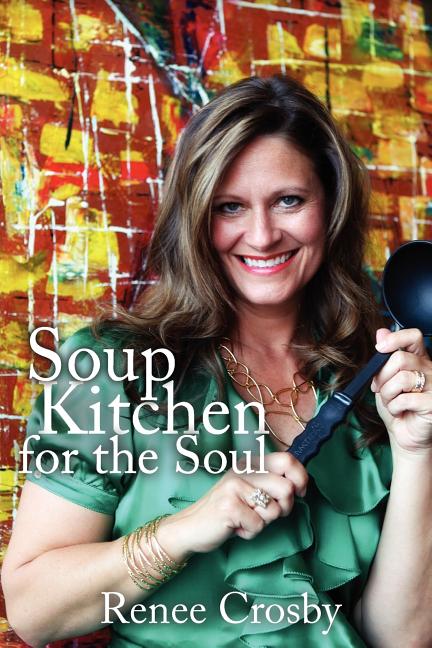
    Soup Kitchen for the Soul combines testimony with a challenging scriptural foundation and follows it with specific guidance on how you can get out of your church and make a difference in your community. Each chapter builds on a Bible story and the author’s personal experience, and ends with thought questions, and then action questions. References include specific ways in which you can take action on what you have been studying in the book. This book is suitable for personal or small group study, or could be used effectively by an entire church to transform their ministry. In the introduction Crosby says: “Upon entering Seminary, I was required to serve in the community and begrudgingly accepted my assignment, choosing to serve in a soup kitchen. While serving in the soup kitchen, God revealed himself to me in a profound and miraculous way. It was in restudying the scriptures with this new heart knowledge of God that allowed me to see a message of a mission for His people that we lack a connection with today. I began asking, ‘What if … What if I’m not the only one who doesn’t understand the whole mission God has planned for us? What exactly are we supposed to be doing? Where in the Bible can we find directives on our missions for God? What if I wrote a book about radically new old ways of doing the gospel?’” Soup Kitchen for the Soul is that book.

  • Spiritual Care Reflections from a Hospice Chaplain

    Spiritual Care Reflections from a Hospice Chaplain

    From the good sisters and monks of the 11th century, hospice care grew through the passions of 20th century people like Dame Cecily Saunders and Elizabeth Kubler-Ross, and into the recognized modality it is today of compassionate and palliative care for those who are on their final journal from this world. Pastor Lopez rightly fills this name as he reaches out, not only to patients and their families, but the team of nurses, doctors, social workers and caregivers who o-ffer their hands and hearts to those in need. Within these pages you will find practical and compassionate words, along with hands and a heart that knows the pain of loss and feet that are willing to accompany the reader on their journey.

  • Spiritual Decluttering

    Spiritual Decluttering

    “In choosing simplicity, says Dr. Bruce Epperly, “we make room for God’s light to flow in and through us.”

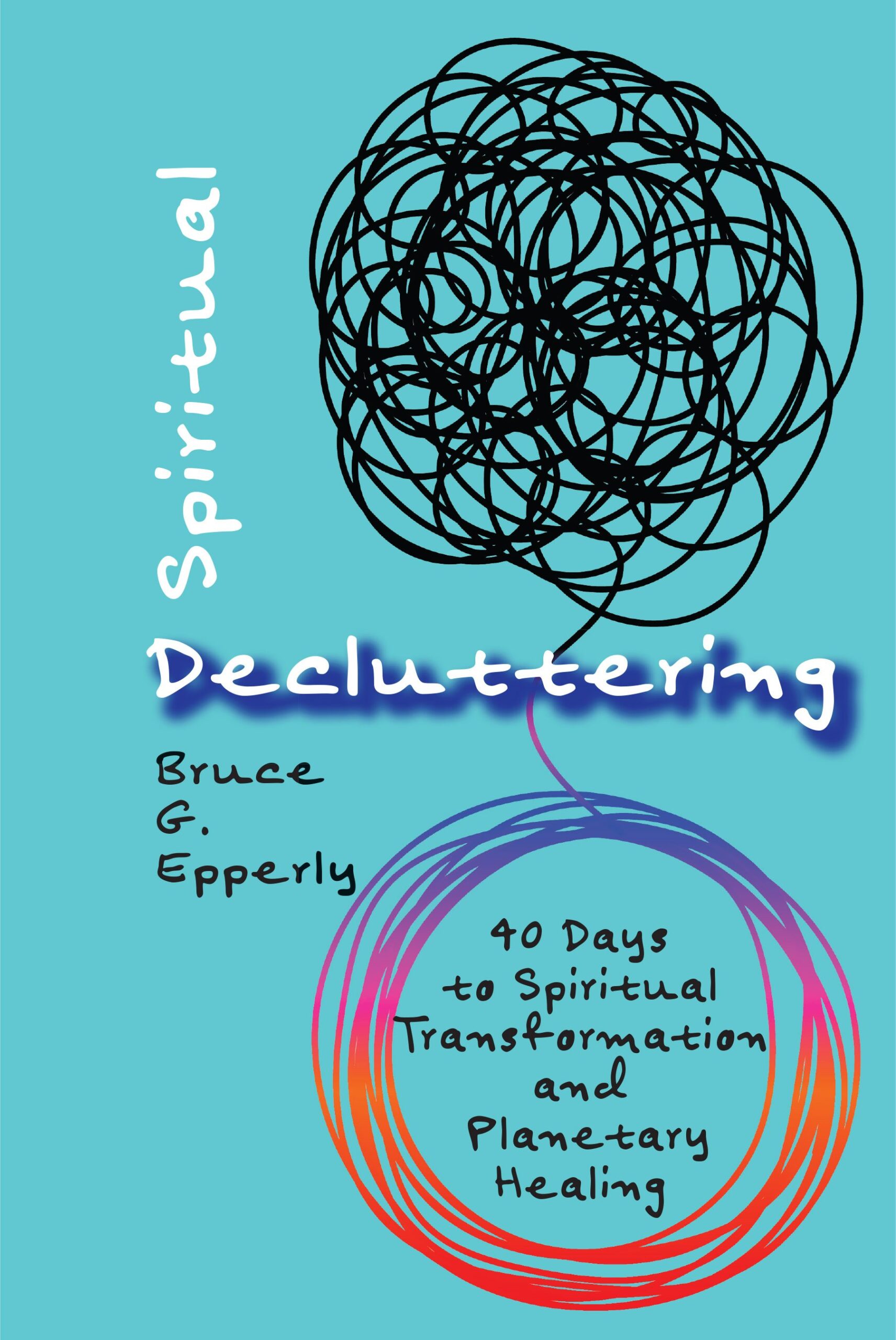
    “Decluttering” is a concept that is all over social media and the news these days. We have books with detailed instructions in how to declutter our houses and live more simply. Epperly takes this beyond the merely material, and teaches how to declutter our minds and spirits as well.

    Spiritual decluttering is more than a passing fad! In clearing the clutter of our lives, we put first things first and align ourselves with God’s vision for our lives.

    Tis a gift to be simple and one of today’s leading progressive theologians and spiritual guides shows us a pathway to experiencing the holiness of everyday life and sharing the gifts of simplicity to heal the world.

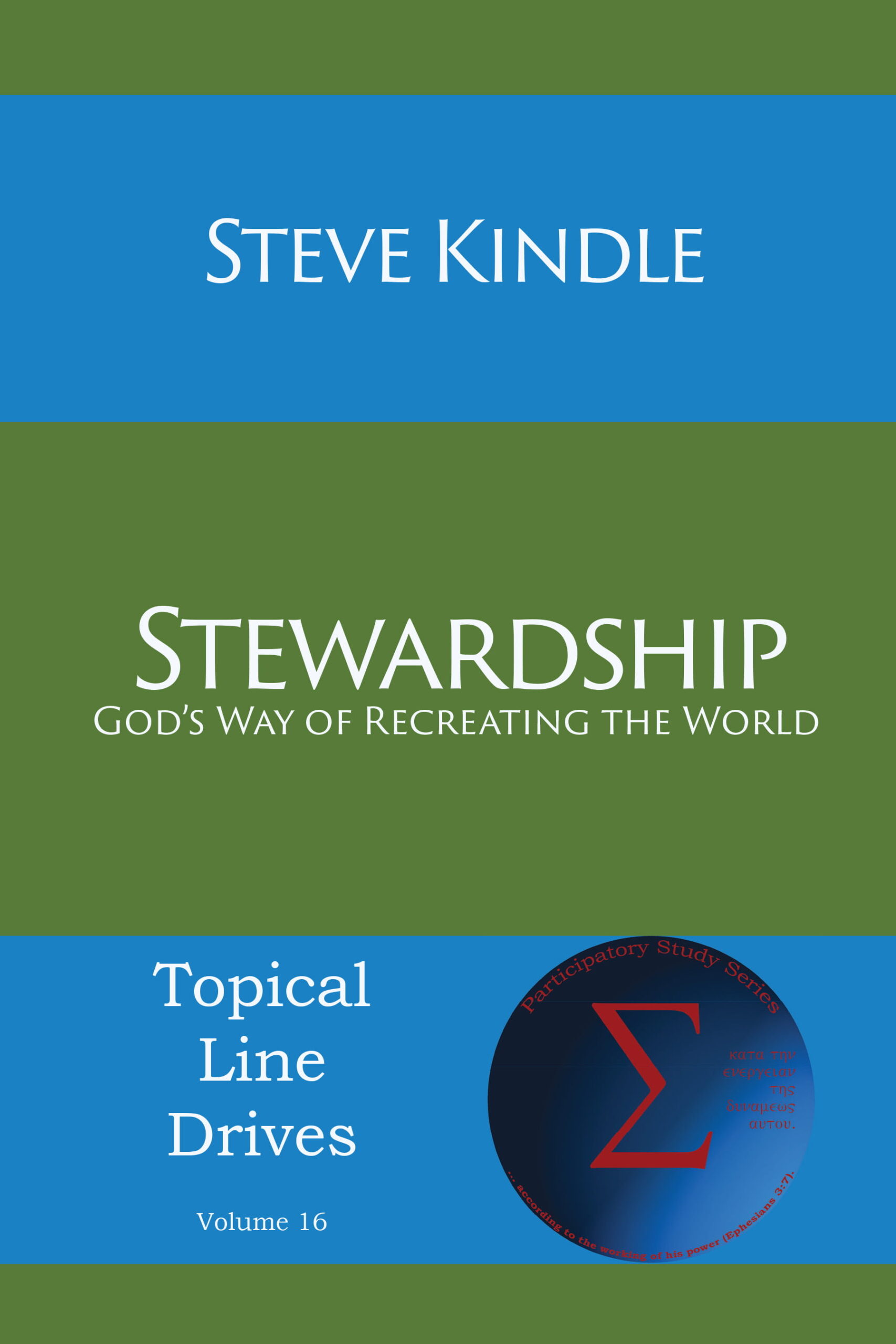
  • Stewardship

    Stewardship

    There is little disagreement that our world is as close to self-destruction as it has ever been, humanity included. It is unnecessary to list the wars, political conflicts, diseases, ecological disasters, and the like; we are all too familiar with a daily rehearsal of our plight. What there is little or no agreement on is the way out. How will we, as the human race, find our way out of our mutually shared predicament and into a world of wholeness and abundance that the Hebrews named shalom? Is there any wisdom available to us that can lead the way? The answer proposed here is to reconnect with the biblical notion of stewardship as a way of life.

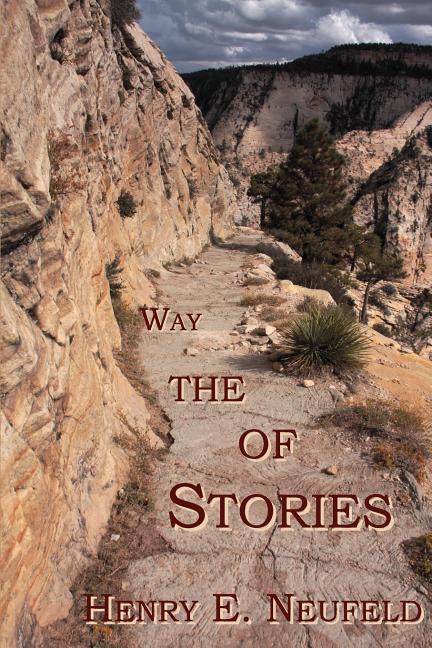
  • Stories of the Way

    Stories of the Way

    Much of the text in the Bible is in the form of stories. From Old Testament tales of the patriarchs to the parables of Jesus, the reader is confronted with a variety of narratives. Even in those places where Bible writers are making and explaining statements of fact, there is a story in the background.

    What do these stories mean? Bible teacher, writer, and publisher Henry Neufeld thinks that’s the wrong question to ask. (Yes, there are bad questions ) We spend a great deal of time trying to reduce Bible stories to a series of statements of fact, sucking the life out of them in the process. We don’t understand one of the parables of Jesus better when we’ve come up with a moral for the story. In fact, we’ve lost some of the meaning.

    Instead, Henry suggests learning to think more in the form of stories. In fact, he even asks us to consider looking at the stories behind the various statements of fact in the Bible, finding similarities in our own stories, and even weaving new stories from our imaginations. This, he teaches, is the best way to learn to make scripture come alive and to live it. This collection of short stories is not presented primarily as stories to read, but as a challenge to put your imagination to work as you study the Bible-to write your own stories. When you’ve let your imagination break the bounds of your life the Holy Spirit can then show you how to live new stories in your own life and in your relationships with family, friends, church, and the entire world.

    This book includes 25 short stories. All but two of these stories were originally published on the Jevlir Caravansary fiction blog. Two new stories, “The Magic Sword” and “The Juror’s Oath” were written just for this collection. Scripture references and thought questions have been provided for each story to help small groups use them in discussions. Come join the story.

  • Stories of the Way (ePub)

    Stories of the Way (ePub)

    Much of the text in the Bible is in the form of stories. From Old Testament tales of the patriarchs to the parables of Jesus, the reader is confronted with a variety of narratives. Even in those places where Bible writers are making and explaining statements of fact, there is a story in the background.

    What do these stories mean? Bible teacher, writer, and publisher Henry Neufeld thinks that’s the wrong question to ask. (Yes, there are bad questions ) We spend a great deal of time trying to reduce Bible stories to a series of statements of fact, sucking the life out of them in the process. We don’t understand one of the parables of Jesus better when we’ve come up with a moral for the story. In fact, we’ve lost some of the meaning.

    Instead, Henry suggests learning to think more in the form of stories. In fact, he even asks us to consider looking at the stories behind the various statements of fact in the Bible, finding similarities in our own stories, and even weaving new stories from our imaginations. This, he teaches, is the best way to learn to make scripture come alive and to live it. This collection of short stories is not presented primarily as stories to read, but as a challenge to put your imagination to work as you study the Bible-to write your own stories. When you’ve let your imagination break the bounds of your life the Holy Spirit can then show you how to live new stories in your own life and in your relationships with family, friends, church, and the entire world.

    This book includes 25 short stories. All but two of these stories were originally published on the Jevlir Caravansary fiction blog. Two new stories, “The Magic Sword” and “The Juror’s Oath” were written just for this collection. Scripture references and thought questions have been provided for each story to help small groups use them in discussions. Come join the story.

Energion Direct
Privacy Overview

This website uses cookies so that we can provide you with the best user experience possible. Cookie information is stored in your browser and performs functions such as recognising you when you return to our website and helping our team to understand which sections of the website you find most interesting and useful.