Imprint: Energion Publications

Our main Energion Imprint

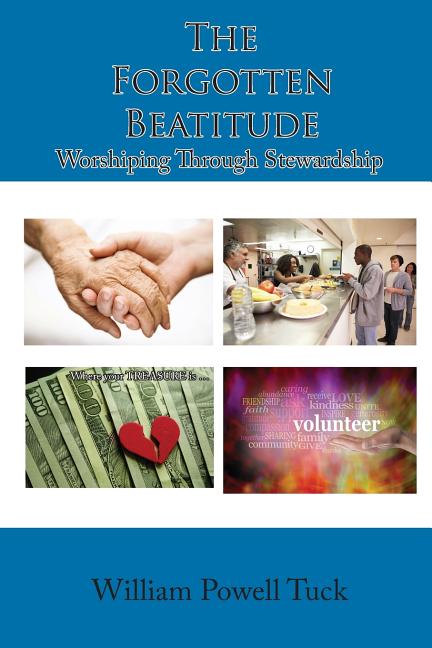
  • The Forgotten Beatitude

    The Forgotten Beatitude

    Stewardship is one of the essential means the church utilizes to roll up its sleeves and engage in the ministry it is challenged to do. — William Powell Tuck

    Jesus said in His sermon on the mountain, “Blessed are …” (Matthew 5:1-12)

    James said, Faith without works is dead. (James 2:14-26)

    Dr. Bill Tuck shares his heart and his teachings on stewardship that will bring the reader into a greater appreciation of how God wants to use our time, talent and finances to build His Church as well as draw us into a deeper relationship with Him. You will find each chapter begins with a scriptural notation that will lend itself to further study and meditation on God’s Word. May we be found to not only be reader of God’s Word, but also doers of His Word.

  • The Gathering

    The Gathering

    Kamden continues on his faith journey as Nana and Papa teach him the importance of family: Father God, as well as his earthly family. Join Kamden’s family around the holiday dinner table. God bless you all!

  • The Gospel According to Mark

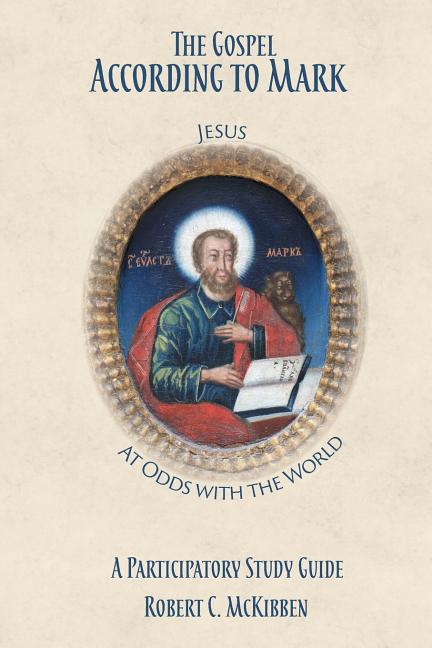
    The Gospel According to Mark

    What can we learn from a serious study of the shortest gospel?

    In this 15th volume of the Participatory Study Series, Bob McKibben opens up the gospel of Mark in new ways. Often considered of secondary theological value, more of a short story version of the gospel, Bob presents Mark as history and serious theology with a very relevant message for followers of Jesus today.

    The participatory study method is especially fruitful in this guide as readers walk with Jesus through the story of the apostles, watch as the cross approaches and wonder with them what has really happened.

    In these 15 lessons, you will be able to read the gospel with fresh eyes and apply it to your own life as a follower of Jesus.

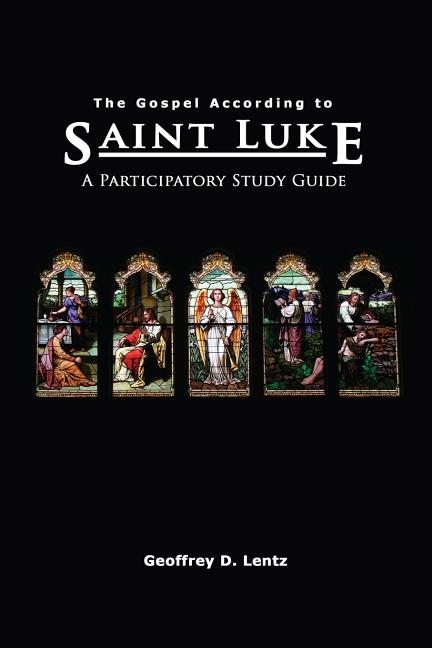
  • The Gospel According to St. Luke

    The Gospel According to St. Luke

    The Gospel of Saint Luke: A Participatory Study Guide is the newest installment to the successful Participatory Study Guide Series from Energion Publications. This series emphasizes individual and community involvement in the Bible story, inviting students to become part of God’s activity in the world by acting on and sharing what they learn. This study guide gives the seeker historical insight and a fresh look into the Jesus Christ that Luke sought and recorded. Rev. Lentz brings his love of Church history and great thought-provoking questions into a user friendly layout that promotes lively discussions and deep-rooted growth in a group study. Each lesson includes suggestions for prayer, exercises, thought questions, and basic background information on the passages studied. References to study Bibles and other useful resources are provided.

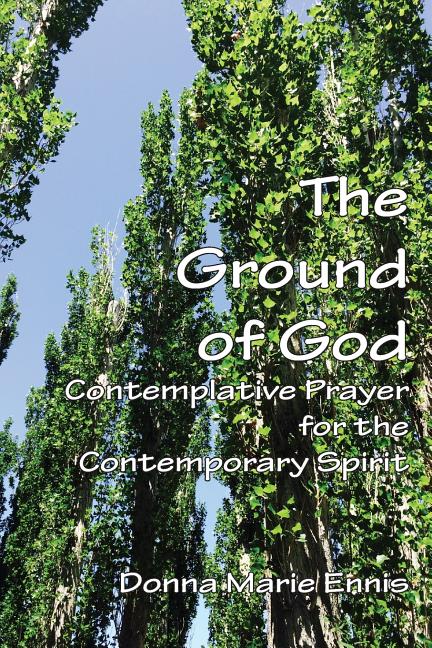
  • The Ground of God

    The Ground of God

    The pace and assumptions of modern life often make the pursuing of things of the spirit difficult.

    The Ground of God: Contemplative Prayer for the Contemporary Spirit leads the reader to a rhythmic cycle of read, pray, examine. Its four sections work together to encourage growth in one’s spiritual life through this cycle so that the reader is drawn step by step into an active and wholly engaging spirituality. Living a prayer-filled, Bible-based life leads the reader to ask the question: What on earth is so commanding? Who is in command?

    The jewels in The Ground of God are found in 60 brief essays that provide the central core, strength, and inspiration of the book. The essays are grouped in sets but can be read in any order. Each one page essay stands alone with completeness of thought. Essay sections include: the Lord’s Prayer, the Beatitudes, and the Prayer of St. Francis. The Ground of God offers instructions for contemplative prayer, with small group formation guidelines. The book ends with guidelines for individual self-examination of consciousness.

    No one prays alonge. When we pray we join in a steady stream of prayer that began with the prophets over 2000 years ago. With the world around us in a constant state of flux and tension, there is a special grace in knowing there is a place that is sacred and unchanging, a place where we can go to be renewed in the love that is ours by way of God’s grace. Moses took off his shoes to stand on the ground that is holy. The holy ground remains and is ours today that we might remove our shoes and release our hearts to come before God empty handed and open hearted, trusting in God to bring us away from confusion and toward clarity of mind and heart. We might ask: what on earth is so commanding? Who is in command?

    The Ground of God closes with a brief essay “God’s Mercy: the Grace of Tenderness.” It’s a good place to start, reminding us that the creative spirit soars when given free reign in the ground of God. In can be used as a guide in one’s individual spiritual journey or for group study.


  • The Hebrew Bible and Its Music

    The Hebrew Bible and Its Music

    This is a question that readers frequently ask, wondering whether they are getting an adequate immersion in the culture, rhythms, and vocabulary of those who wrote long ago.

    Bob MacDonald, author of the monumental work Seeing the Psalter (Energion Publications, 2013), has continued his work studying the rhythm, music, and structure of the Hebrew scriptures He developed this close translation initially to show in English the intricate patterns of repeated words in Hebrew poetry.

    Having discovered the inferences concerning the music at a conference on the Psalms in 2010, the author decided that the whole corpus of the Hebrew canonical text should be approached to allow English speaking readers some understanding of the music. The translation retains the order of Hebrew words wherever reasonable, so that changes in reciting note and ornaments can be in English on the same syllable that corresponds to the Hebrew.

    Readers at all levels of biblical knowledge can benefit from the material here. While the translation is accessible to anyone who reads English, references to the Hebrew text are available for the serious student of the language.

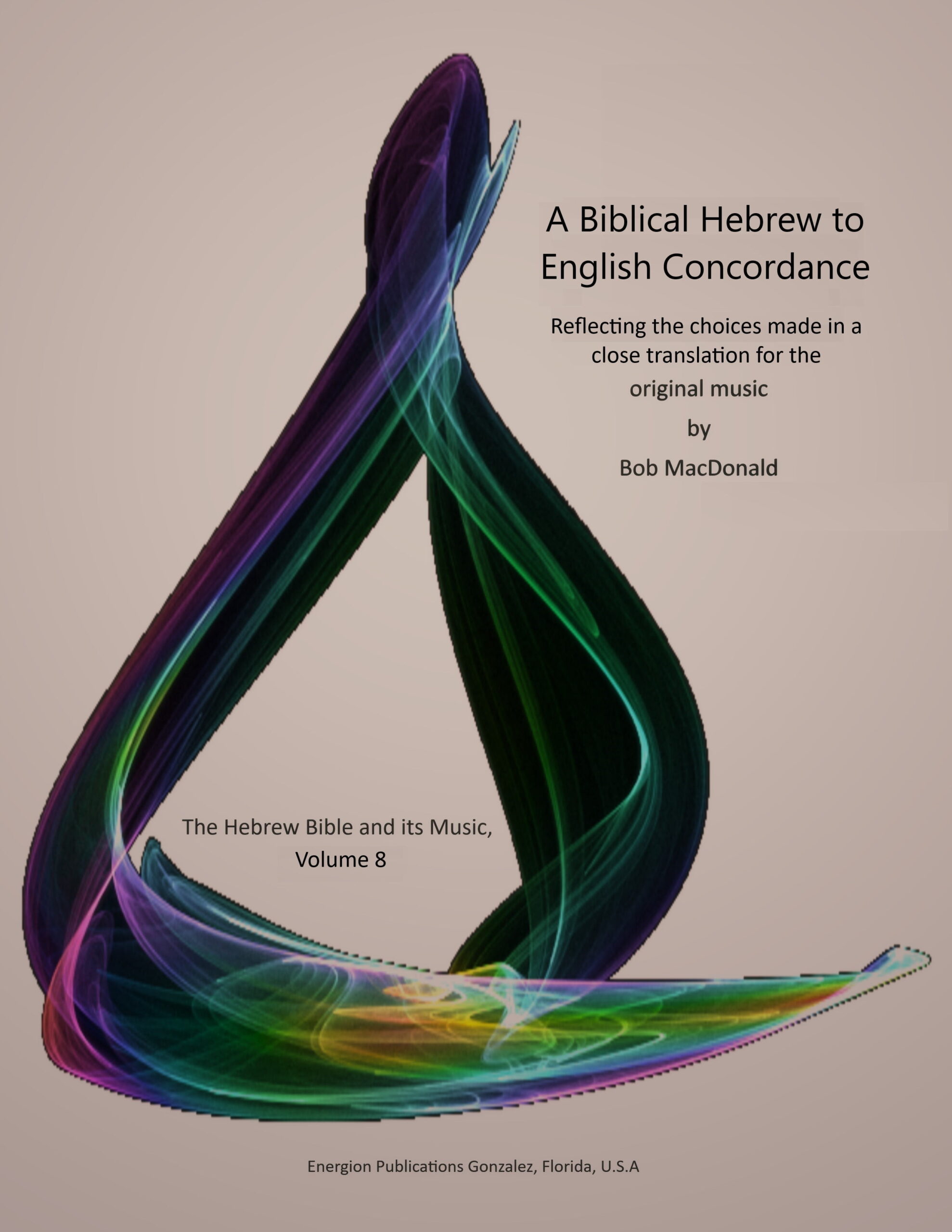
    A Biblical Hebrew to English Concordance is volume 6 in the series and the first to be released.

    Books in the series:

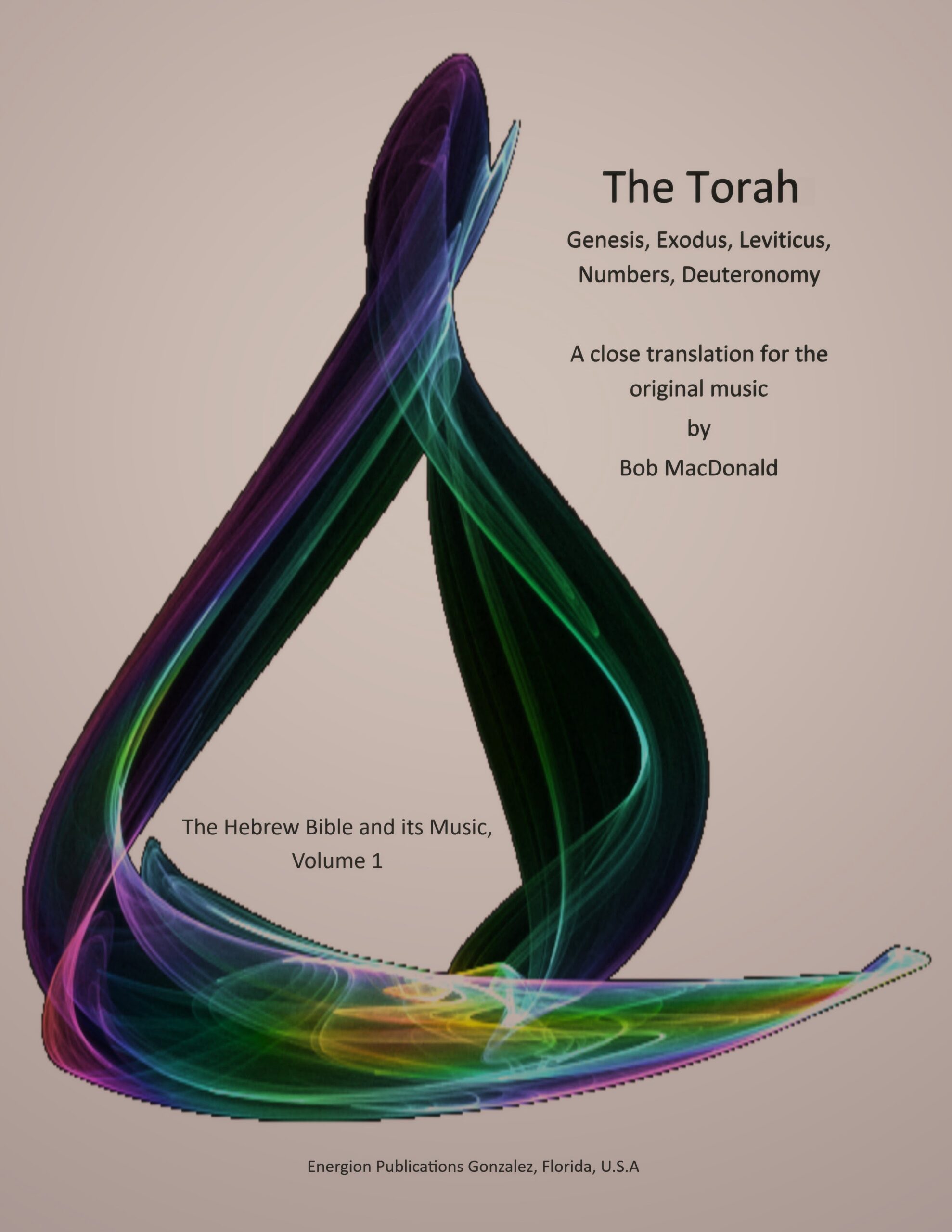
    1. The Torah, Genesis, Exodus, Leviticus, Numbers, Deuteronomy (released)
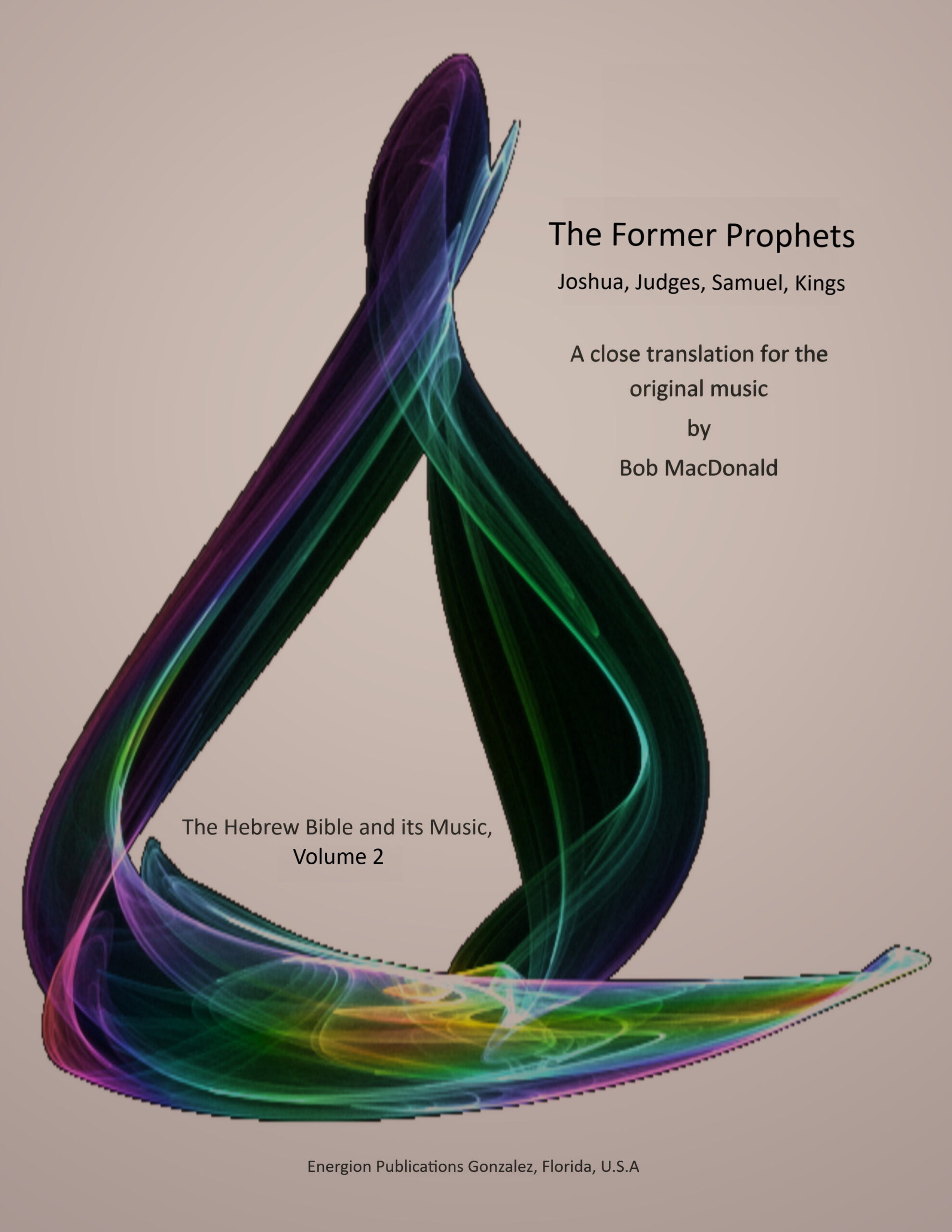
    2. The Former Prophets, Joshua, Judges, Samuel, Kings (released)
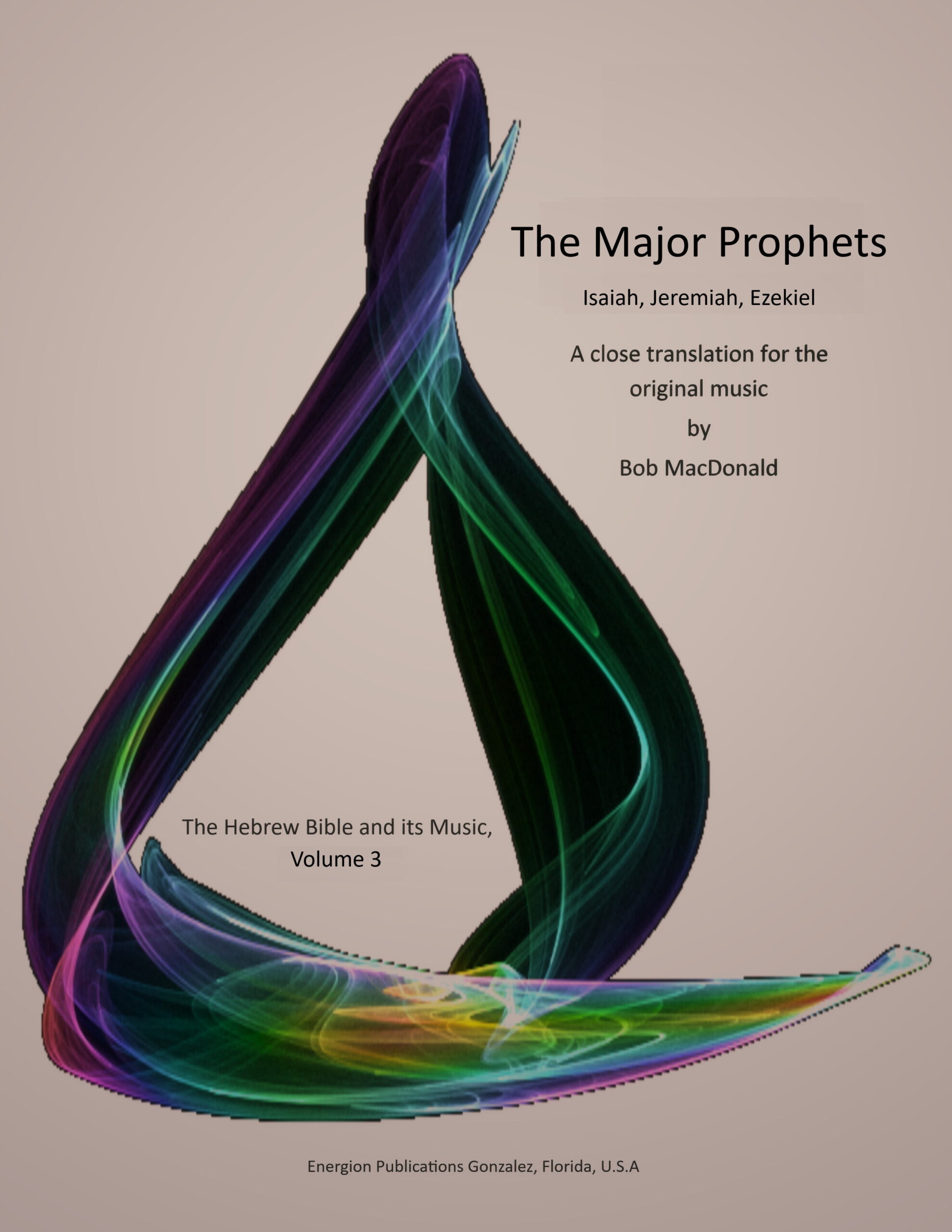
    3. The Major Prophets, Isaiah, Jeremiah, Ezekiel (released)
    4. The Twelve, Hosea, Joel, Amos, Obadiah, Jonah, Micah, Nahum, Habakkuk, Zephaniah, Haggai, Zechariah, Malachi (released)
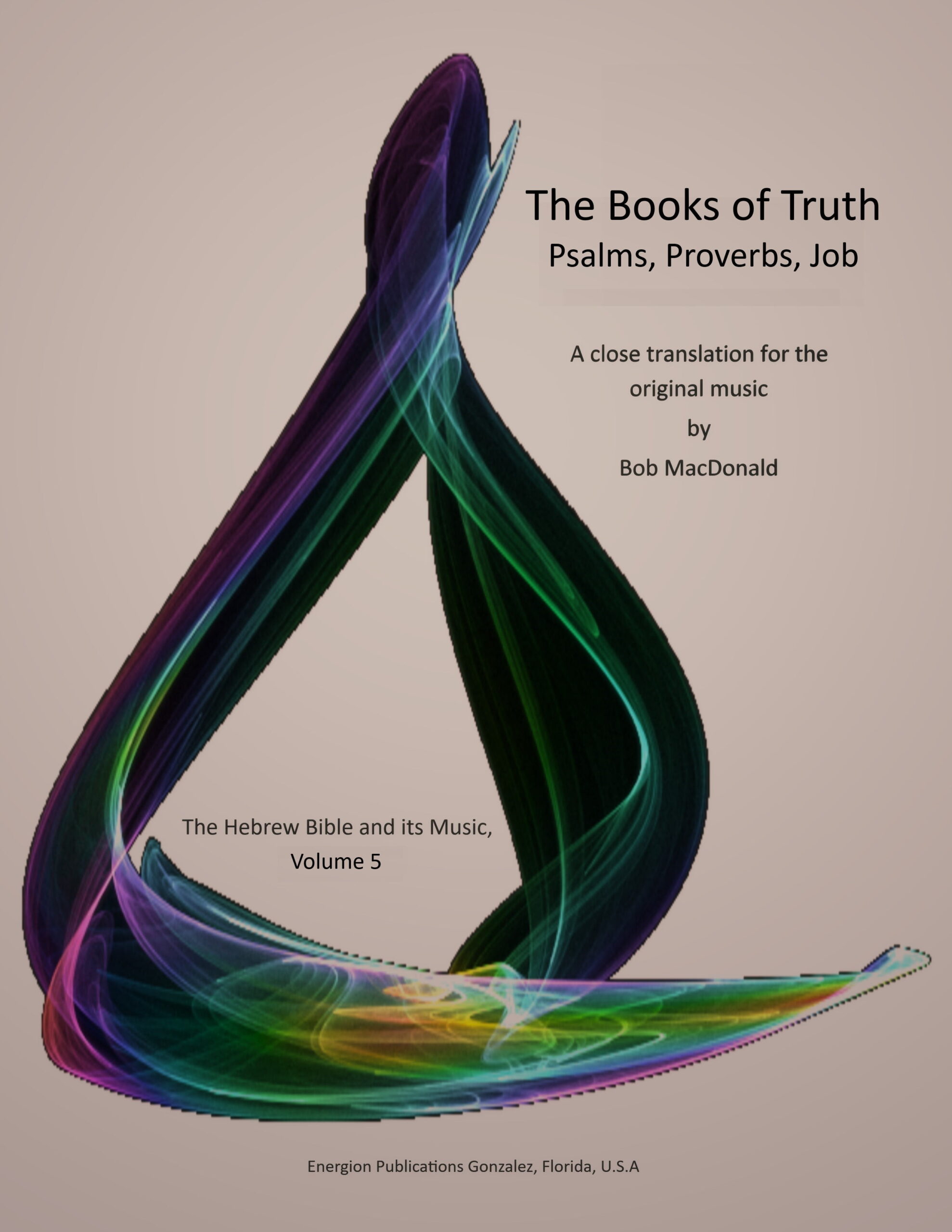
    5. The Books of Truth, Psalms, Proverbs, Job, (released)
    6. The Five Scrolls, Song of Songs, Ruth, Lamentations, Qohelet, Esther (released)
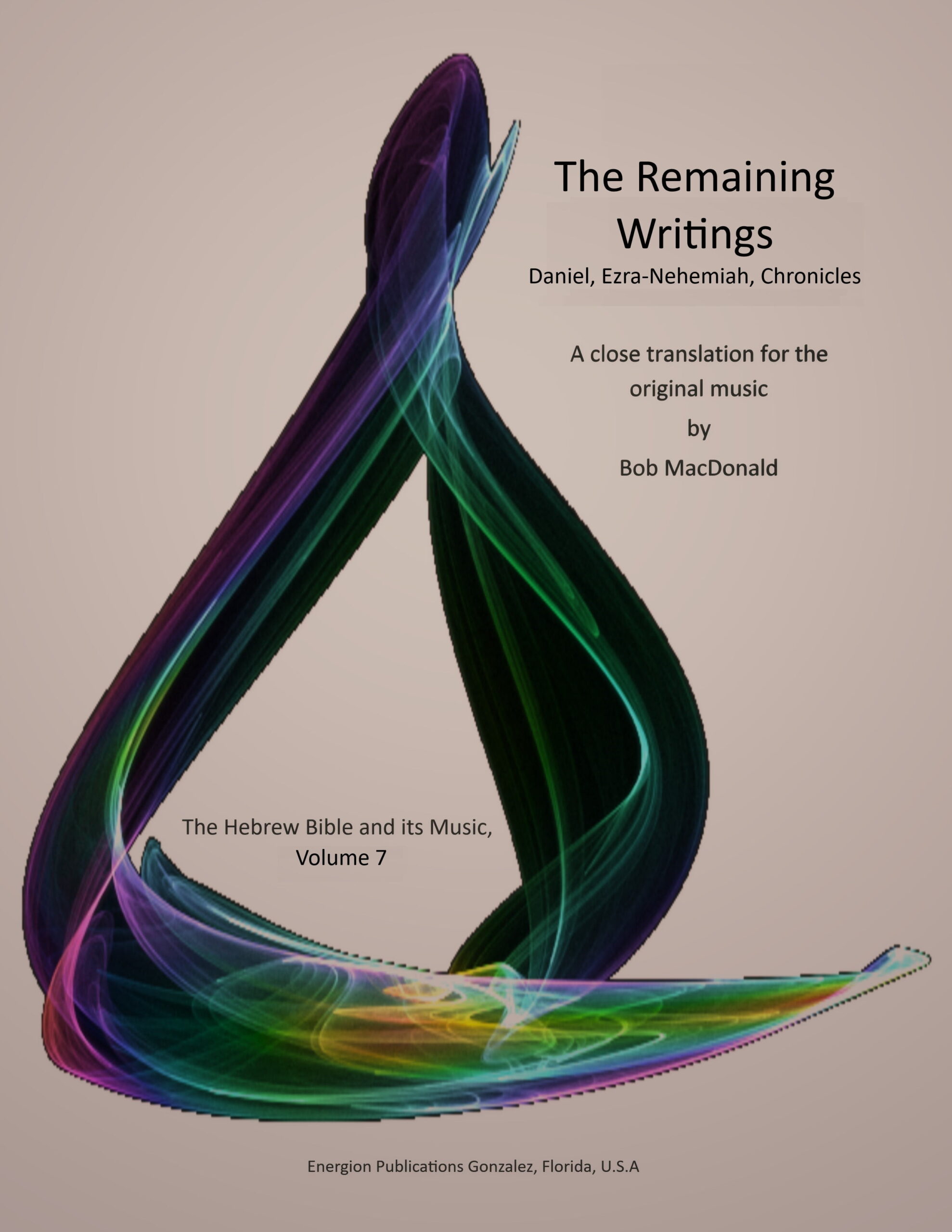
    7. The Remaining Writings, Daniel, Ezra-Nehemiah, Chronicles (released)
    8. A Biblical Hebrew to English Concordance (this volume)
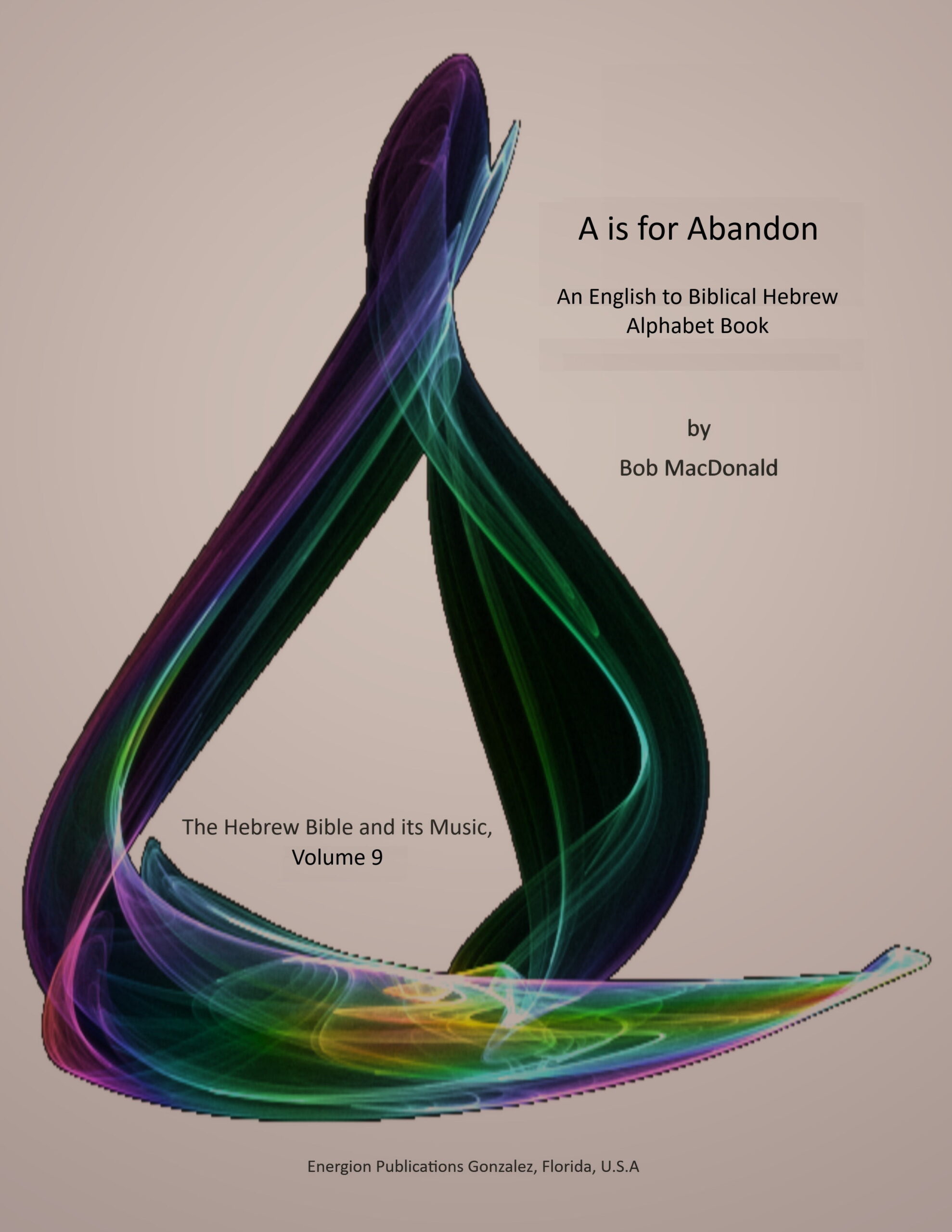
    9. A is for Abandon, An English to Biblical Hebrew Alphabet Book (June 21, 2019)

    You can find further resources on the music of the Bible at Remembering and Reflecting.
  • The Hebrew Bible and Its Music

    The Hebrew Bible and Its Music


    How can a person who reads no Hebrew get closer to the text and feel of the Hebrew scriptures?

    This is a question that readers frequently ask, wondering whether they are getting an adequate immersion in the culture, rhythms, and vocabulary of those who wrote long ago.

    Bob MacDonald, author of the monumental work Seeing the Psalter (Energion Publications, 2013), has continued his work studying the rhythm, music, and structure of the Hebrew scriptures He developed this close translation initially to show in English the intricate patterns of repeated words in Hebrew poetry.

    Having discovered the inferences concerning the music at a conference on the Psalms in 2010, the author decided that the whole corpus of the Hebrew canonical text should be approached to allow English speaking readers some understanding of the music. The translation retains the order of Hebrew words wherever reasonable, so that changes in reciting note and ornaments can be in English on the same syllable that corresponds to the Hebrew.

    Readers at all levels of biblical knowledge can benefit from the material here. While the translation is accessible to anyone who reads English, references to the Hebrew text are available for the serious student of the language.

    A Is for Abandoned is volume 7 in the series and the last to be released.

    Books in the series:

    1. The Torah, Genesis, Exodus, Leviticus, Numbers, Deuteronomy (released)
    2. The Former Prophets, Joshua, Judges, Samuel, Kings (released)
    3. The Major Prophets, Isaiah, Jeremiah, Ezekiel (released)
    4. The Twelve, Hosea, Joel, Amos, Obadiah, Jonah, Micah, Nahum, Habakkuk, Zephaniah, Haggai, Zechariah, Malachi (released)
    5. The Books of Truth, Psalms, Proverbs, Job, (released)
    6. The Five Scrolls, Song of Songs, Ruth, Lamentations, Qohelet, Esther (released)
    7. The Remaining Writings, Daniel, Ezra-Nehemiah, Chronicles (released)
    8. A Biblical Hebrew to English Concordance (released)
    9. A is for Abandon, An English to Biblical Hebrew Alphabet Book (this volume)

    You can find further resources on the music of the Bible at Remembering and Reflecting.


  • The Hebrew Bible and Its Music

    The Hebrew Bible and Its Music

    How can a person who reads no Hebrew get closer to the text and feel of the Hebrew scriptures?

    This is a question that readers frequently ask, wondering whether they are getting an adequate immersion in the culture, rhythms, and vocabulary of those who wrote long ago.

    Bob MacDonald, author of the monumental work Seeing the Psalter (Energion Publications, 2013), has continued his work studying the rhythm, music, and structure of the Hebrew scriptures He developed this close translation initially to show in English the intricate patterns of repeated words in Hebrew poetry.

    Having discovered the inferences concerning the music at a conference on the Psalms in 2010, the author decided that the whole corpus of the Hebrew canonical text should be approached to allow English speaking readers some understanding of the music. The translation retains the order of Hebrew words wherever reasonable, so that changes in reciting note and ornaments can be in English on the same syllable that corresponds to the Hebrew.

    Readers at all levels of biblical knowledge can benefit from the material here. While the translation is accessible to anyone who reads English, references to the Hebrew text are available for the serious student of the language.

    The Five Scrolls is volume 6 in the series and the first to be released.

    Books in the series:

    1. The Torah, Genesis, Exodus, Leviticus, Numbers, Deuteronomy (released)
    2. The Former Prophets, Joshua, Judges, Samuel, Kings (released)
    3. The Major Prophets, Isaiah, Jeremiah, Ezekiel (released)
    4. The Twelve, Hosea, Joel, Amos, Obadiah, Jonah, Micah, Nahum, Habakkuk, Zephaniah, Haggai, Zechariah, Malachi (released)
    5. The Books of Truth, Psalms, Proverbs, Job, (this volume)
    6. The Five Scrolls, Song of Songs, Ruth, Lamentations, Qohelet, Esther (released)
    7. The Remaining Writings, Daniel, Ezra-Nehemiah, Chronicles (May 24, 2019)
    8. A Biblical Hebrew to English Concordance (June 7, 2019)
    9. A is for Abandon, An English to Biblical Hebrew Alphabet Book (June 21, 2019)

    You can find further resources on the music of the Bible at Remembering and Reflecting.

  • The Hebrew Bible and Its Music

    The Hebrew Bible and Its Music

    How can a person who reads no Hebrew get closer to the text and feel of the Hebrew scriptures?

    This is a question that readers frequently ask, wondering whether they are getting an adequate immersion in the culture, rhythms, and vocabulary of those who wrote long ago.

    Bob MacDonald, author of the monumental work Seeing the Psalter (Energion Publications, 2013), has continued his work studying the rhythm, music, and structure of the Hebrew scriptures He developed this close translation initially to show in English the intricate patterns of repeated words in Hebrew poetry.

    Having discovered the inferences concerning the music at a conference on the Psalms in 2010, the author decided that the whole corpus of the Hebrew canonical text should be approached to allow English speaking readers some understanding of the music. The translation retains the order of Hebrew words wherever reasonable, so that changes in reciting note and ornaments can be in English on the same syllable that corresponds to the Hebrew.

    Readers at all levels of biblical knowledge can benefit from the material here. While the translation is accessible to anyone who reads English, references to the Hebrew text are available for the serious student of the language.

    Books in the series:

    1. The Torah, Genesis, Exodus, Leviticus, Numbers, Deuteronomy (available)
    2. The Former Prophets, Joshua, Judges, Samuel, Kings (this volume)
    3. The Major Prophets, Isaiah, Jeremiah, Ezekiel (April 12, 2019)
    4. The Twelve, Hosea, Joel, Amos, Obadiah, Jonah, Micah, Nahum, Habakkuk, Zephaniah, Haggai, Zechariah, Malachi (April 24, 2019)
    5. The Books of Truth, Psalms, Proverbs, Job, (May 10, 2019)
    6. The Five Scrolls, Song of Songs, Ruth, Lamentations, Qohelet, Esther (available)
    7. The Remaining Writings, Daniel, Ezra-Nehemiah, Chronicles (May 24, 2019)
    8. A Biblical Hebrew to English Concordance (June 7, 2019)
    9. A is for Abandon, An English to Biblical Hebrew Alphabet Book (June 21, 2019)

    You can find further resources on the music of the Bible at Remembering and Reflecting.
  • The Hebrew Bible and Its Music

    The Hebrew Bible and Its Music

    How can a person who reads no Hebrew get closer to the text and feel of the Hebrew scriptures?

    This is a question that readers frequently ask, wondering whether they are getting an adequate immersion in the culture, rhythms, and vocabulary of those who wrote long ago.

    Bob MacDonald, author of the monumental work Seeing the Psalter (Energion Publications, 2013), has continued his work studying the rhythm, music, and structure of the Hebrew scriptures He developed this close translation initially to show in English the intricate patterns of repeated words in Hebrew poetry.

    Having discovered the inferences concerning the music at a conference on the Psalms in 2010, the author decided that the whole corpus of the Hebrew canonical text should be approached to allow English speaking readers some understanding of the music. The translation retains the order of Hebrew words wherever reasonable, so that changes in reciting note and ornaments can be in English on the same syllable that corresponds to the Hebrew.

    Readers at all levels of biblical knowledge can benefit from the material here. While the translation is accessible to anyone who reads English, references to the Hebrew text are available for the serious student of the language.

    The Five Scrolls is volume 6 in the series and the first to be released.

    Books in the series:

    1. The Torah, Genesis, Exodus, Leviticus, Numbers, Deuteronomy (released)
    2. The Former Prophets, Joshua, Judges, Samuel, Kings (released)
    3. The Major Prophets, Isaiah, Jeremiah, Ezekiel (this volume)
    4. The Twelve, Hosea, Joel, Amos, Obadiah, Jonah, Micah, Nahum, Habakkuk, Zephaniah, Haggai, Zechariah, Malachi (April 24, 2019)
    5. The Books of Truth, Psalms, Proverbs, Job, (May 10, 2019)
    6. The Five Scrolls, Song of Songs, Ruth, Lamentations, Qohelet, Esther (released)
    7. The Remaining Writings, Daniel, Ezra-Nehemiah, Chronicles (May 24, 2019)
    8. A Biblical Hebrew to English Concordance (June 7, 2019)
    9. A is for Abandon, An English to Biblical Hebrew Alphabet Book (June 21, 2019)

    You can find further resources on the music of the Bible at Remembering and Reflecting.
  • The Hebrew Bible and Its Music

    The Hebrew Bible and Its Music

    How can a person who reads no Hebrew get closer to the text and feel of the Hebrew scriptures?

    This is a question that readers frequently ask, wondering whether they are getting an adequate immersion in the culture, rhythms, and vocabulary of those who wrote long ago.

    Bob MacDonald, author of the monumental work Seeing the Psalter (Energion Publications, 2013), has continued his work studying the rhythm, music, and structure of the Hebrew scriptures He developed this close translation initially to show in English the intricate patterns of repeated words in Hebrew poetry.

    Having discovered the inferences concerning the music at a conference on the Psalms in 2010, the author decided that the whole corpus of the Hebrew canonical text should be approached to allow English speaking readers some understanding of the music. The translation retains the order of Hebrew words wherever reasonable, so that changes in reciting note and ornaments can be in English on the same syllable that corresponds to the Hebrew.

    Readers at all levels of biblical knowledge can benefit from the material here. While the translation is accessible to anyone who reads English, references to the Hebrew text are available for the serious student of the language.

    The Five Scrolls is volume 6 in the series and the first to be released.

    Books in the series:

    1. The Torah, Genesis, Exodus, Leviticus, Numbers, Deuteronomy (released)
    2. The Former Prophets, Joshua, Judges, Samuel, Kings (released)
    3. The Major Prophets, Isaiah, Jeremiah, Ezekiel (released)
    4. The Twelve, Hosea, Joel, Amos, Obadiah, Jonah, Micah, Nahum, Habakkuk, Zephaniah, Haggai, Zechariah, Malachi (released)
    5. The Books of Truth, Psalms, Proverbs, Job, (released)
    6. The Five Scrolls, Song of Songs, Ruth, Lamentations, Qohelet, Esther (released)
    7. The Remaining Writings, Daniel, Ezra-Nehemiah, Chronicles (this volume)
    8. A Biblical Hebrew to English Concordance (June 7, 2019)
    9. A is for Abandon, An English to Biblical Hebrew Alphabet Book (June 21, 2019)

    You can find further resources on the music of the Bible at Remembering and Reflecting.
  • The Hebrew Bible and its Music

    The Hebrew Bible and its Music

    How can a person who reads no Hebrew get closer to the text and feel of the Hebrew scriptures?

    This is a question that readers frequently ask, wondering whether they are getting an adequate immersion in the culture, rhythms, and vocabulary of those who wrote long ago.

    Bob MacDonald, author of the monumental work Seeing the Psalter (Energion Publications, 2013), has continued his work studying the rhythm, music, and structure of the Hebrew scriptures He developed this close translation initially to show in English the intricate patterns of repeated words in Hebrew poetry.

    Having discovered the inferences concerning the music at a conference on the Psalms in 2010, the author decided that the whole corpus of the Hebrew canonical text should be approached to allow English speaking readers some understanding of the music. The translation retains the order of Hebrew words wherever reasonable, so that changes in reciting note and ornaments can be in English on the same syllable that corresponds to the Hebrew.

    Readers at all levels of biblical knowledge can benefit from the material here. While the translation is accessible to anyone who reads English, references to the Hebrew text are available for the serious student of the language.

    The Five Scrolls is volume 6 in the series and the first to be released.

    Books in the series:

    1 The Torah, Genesis, Exodus, Leviticus, Numbers, Deuteronomy (this volume)

    2 The Former Prophets, Joshua, Judges, Samuel, Kings (March 29, 2019)

    3 The Major Prophets, Isaiah, Jeremiah, Ezekiel (April 12, 2019)

    4 The Twelve, Hosea, Joel, Amos, Obadiah, Jonah, Micah, Nahum, Habakkuk, Zephaniah, Haggai, Zechariah, Malachi (April 24, 2019)

    5 The Books of Truth, Psalms, Proverbs, Job, (May 10, 2019)

    6 The Five Scrolls, Song of Songs, Ruth, Lamentations, Qohelet, Esther (released)

    7 The Remaining Writings, Daniel, Ezra-Nehemiah, Chronicles (May 24, 2019)

    8 A Biblical Hebrew to English Concordance (June 7, 2019)

    9 A is for Abandon, An English to Biblical Hebrew Alphabet Book (June 21, 2019)

    You can find further resources on the music of the Bible at Remembering and Reflecting.
Energion Direct
Privacy Overview

This website uses cookies so that we can provide you with the best user experience possible. Cookie information is stored in your browser and performs functions such as recognising you when you return to our website and helping our team to understand which sections of the website you find most interesting and useful.