Imprint: Energion Publications

Our main Energion Imprint

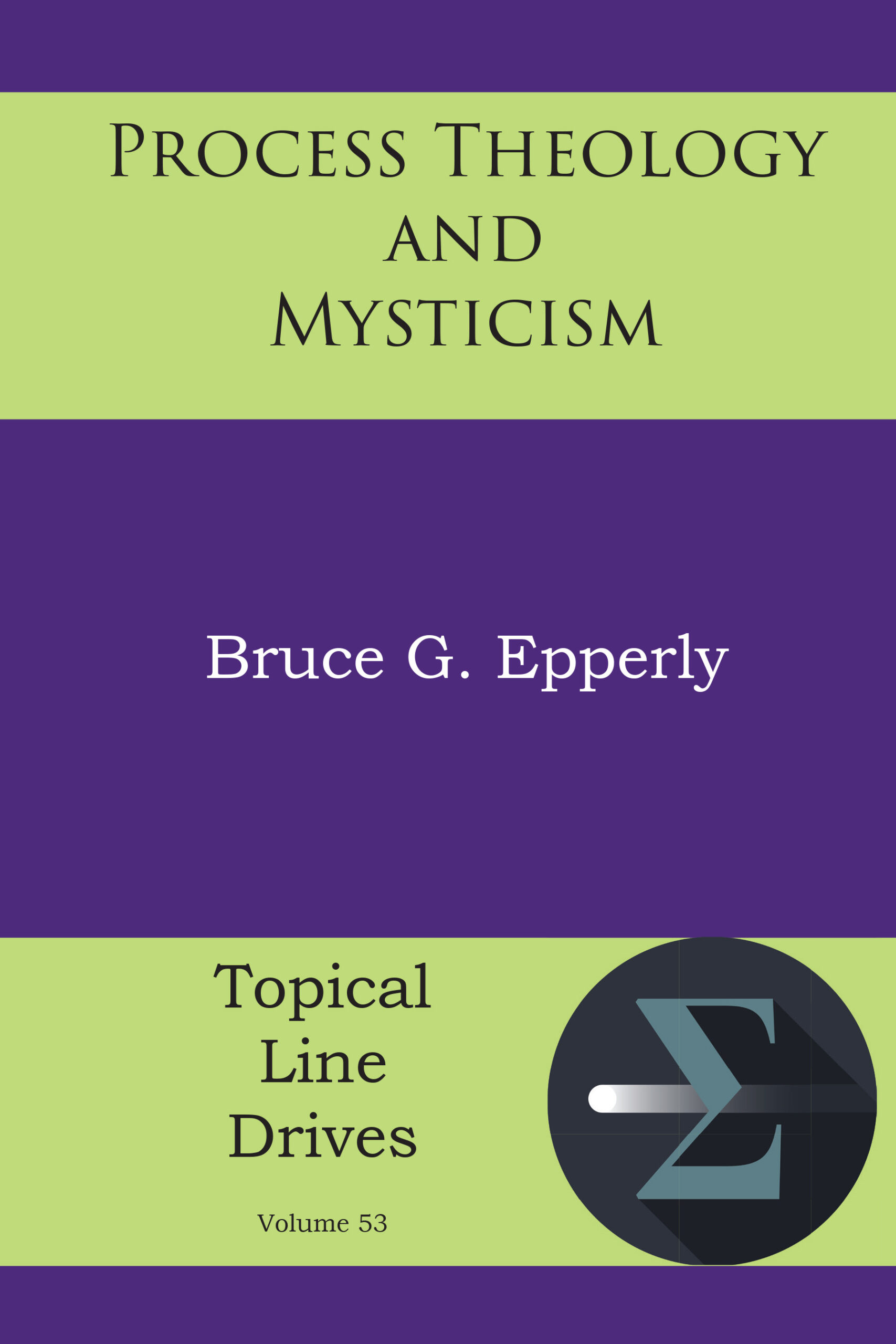
  • Process Theology and Mysticism

    Process Theology and Mysticism

    What if you could find mystical moments not just in monasteries, but in your own life?

    Process Theology and Mysticism challenges the idea that mysticism is only for the few. Author Bruce Epperly expertly blends accessible language with deep spiritual insight to show how process theology can provide a practical framework for a richer, more meaningful spiritual journey.

    As part of the Topical Line Drives series, this book makes complex concepts understandable for busy seekers. Epperly reveals how God is intimately present in every moment, asserting that “the Infinite is Intimate” and “the Cosmic is Companionable.” Through this guide, you will learn to discover divinity in the everyday, cultivate a stronger relationship with God, and inspire greater empathy and connection with the world.

    If you’re ready to make Christian mysticism a vital part of your everyday existence, this book is a good place to start.
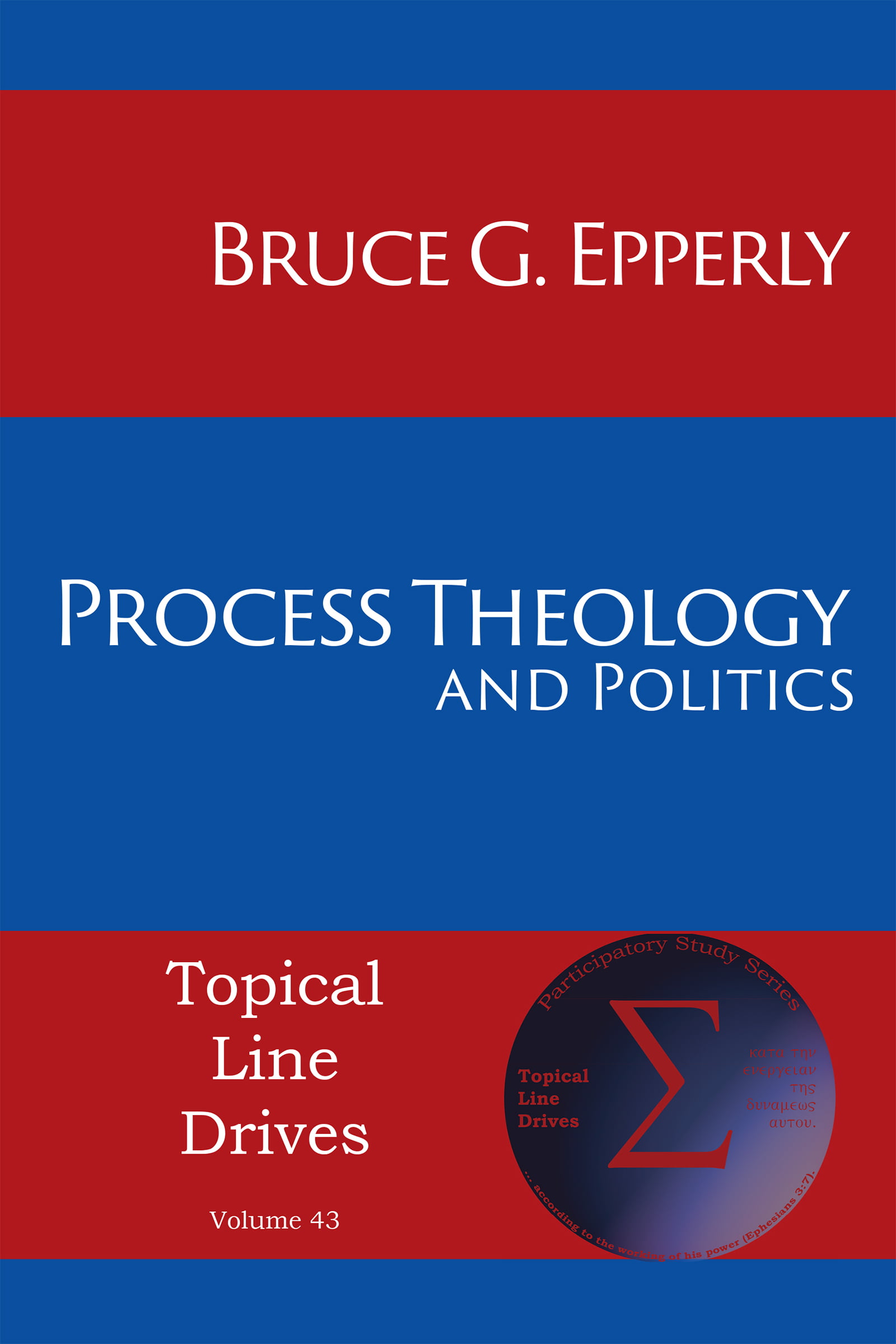

  • Process Theology and Politics

    Process Theology and Politics

    Does process theology have something to say about political and social issues and our response to them?

    In this short book, Bruce Epperly says that it has much to say, and can shape not just the ethics and policies of a better world, but also the way in which we debate and decide those policies. Process theology invites discussion and even guides us toward acceptable and positive community resolutions.

    No major political issue of the western world is excluded from this discussion. From immigration to criminal justice, from abortion to reproductive health, from the environment to economic development, process thinking can help guide examination, shaping, and implementation of solutions for a troubled world.

    This book is suitable for individual reading by anyone who wants to take a fresh look at policy from an open-minded, progressive or moderate point of view. It can also be helpful in group studies for those who want to study how to apply prophetic proclamation to daily living.

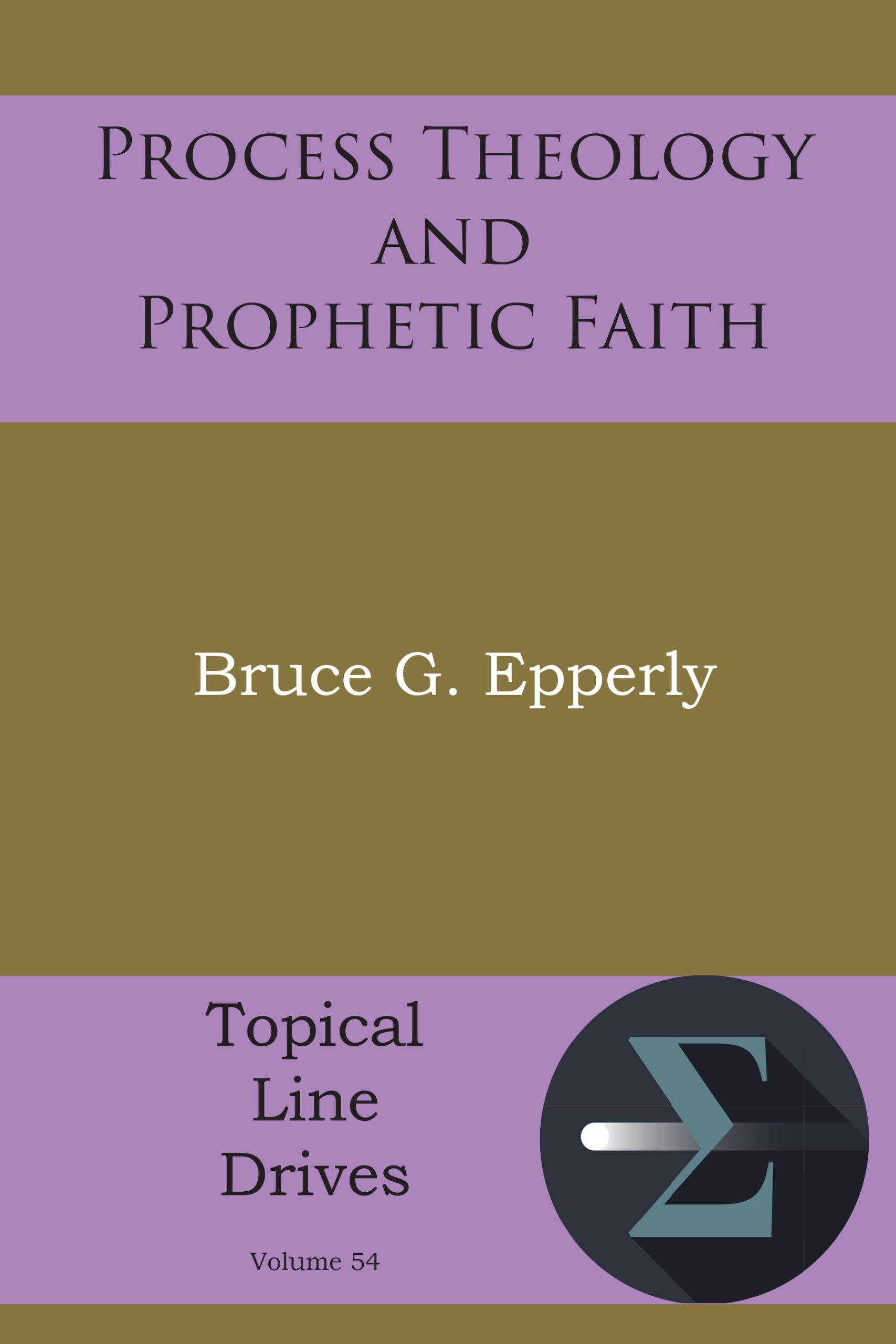
  • Process Theology and Prophetic Faith

    Process Theology and Prophetic Faith

    Being prophetic is often thought to be a matter of predicting the future, creating charts of end times events, and scaring people into accepting narrow, authoritarian and other-worldly images of God, humankind, and political involvement. That is a distortion of what prophetic ministry has been and can continue to be.

    In this booklet, the second of three that integrate process theology with contemporary spiritual life and activity, Bruce Epperly presents a prophetic vision and also a vision of prophetic ministry that is forward looking, but not predictive or controlling, challenging while offering freedom, and positive in its outlook.

    Epperly is a specialist in bringing difficult concepts to life for everyone. He combines that skill with the short format of the Topical Line Drives series to present a call to prophetic ministry that invites everyone to action, and applies the prophetic voice to lifegiving words and works for all people everywhere and also for the planet we live on.

    This book may well be the call you need to hear to be a voice and a medium for positive change in our world.

  • Quitting Is Never the Only Option

    Quitting Is Never the Only Option

    There are times when quitting is the right thing to do, but there are a number of excellent alternatives – to be chosen at the right time!

    In Quitting Is Never the Only Option: Some Keys to Staying Fully Invested in Living author and retired pastor Ron Higdon teaches about fully invested living, a way to be able to evaluate situations and act appropriately under any set of circumstances. Yes, quitting is an option. It’s just never the only one. The trouble is in deciding which is the best option.

    Using scripture, experience, and examples from a range of real-life and fictional examples, Ron presents ways of navigating the circumstances you encounter. What is your calling? What is perseverance and what part should it play in your life? How can you find wisdom to help you in making life-changing decisions?

    Through this entire discussion, the emphasis is on engaged, invested, fulfilling, inspired living. Not the seeking of perfection, or of reputation, or of superiority to others, but in simply fulfilling your own calling guided by divine inspiration and a thoughtful engagement with the world around you.

    Each chapter includes practical applications and questions for study, making this book suitable for small groups or church-wide studies as well as individual reading.

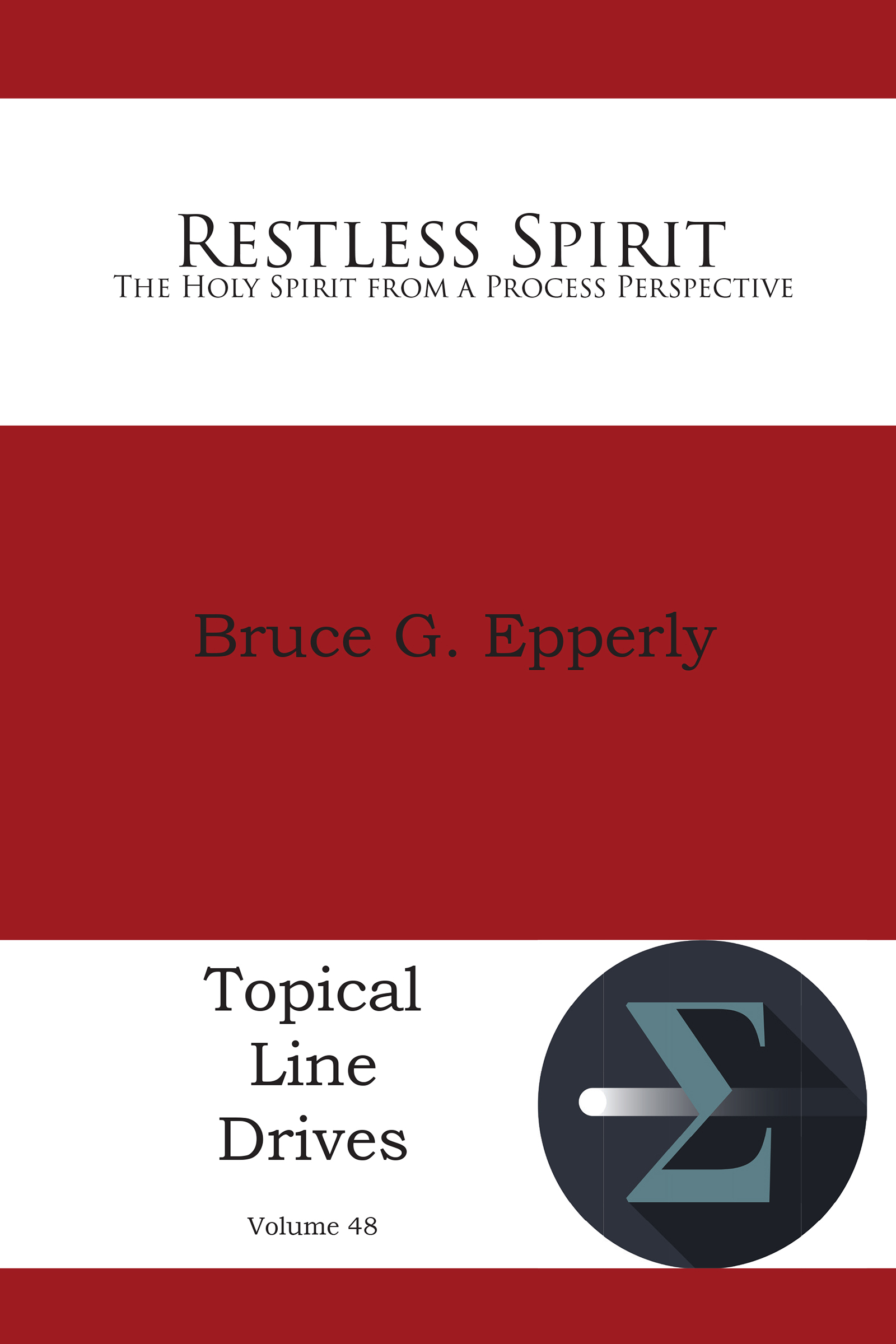
  • Restless Spirit

    Restless Spirit

    Are you afraid of the Holy Spirit being active in your church? Are you willing to admit it?

    The Holy Spirit has been a kind of third-rate member of the trinity in the theological writings of mainline and progressive Christians. It seems that the Spirit brings disorder to communities, spiritual arrogance to those who claim to “have the Spirit,” and frequently doctrinal confusion. We’d rather not have something in our churches that goes where it wants, and doesn’t give account for where it’s coming from and where it’s going.

    But the biblical picture of the Spirit is one of action, change, and renewal. Perhaps there is a place for this Spirit in a movement claiming the title of “progressive.”

    Bruce Epperly has experienced church from many perspectives. He has sat in conservative churches where too much Spirit might be seen as inciting division and heresy. He’s been in progressive churches where the Spirit is often considered peripheral. He’s a process theologian, and the Spirit, as he points out in this book, is often of tertiary concern. But he has also observed Spirit in action, and he thinks we do well to considered this third element of the trinity.

    What does it mean for the Spirit to be active? Is it safe? Can it be controlled? Can you keep it bound by your doctrinal statements? It should be active, and you cannot control it, Epperly argues in this book. You shouldn’t control it. Nor does it coercively control you. But it does drive us to new life, to new adventures, and perhaps to transformed understandings of the universe in which we live.

    Are you ready to join in this joyous adventure?

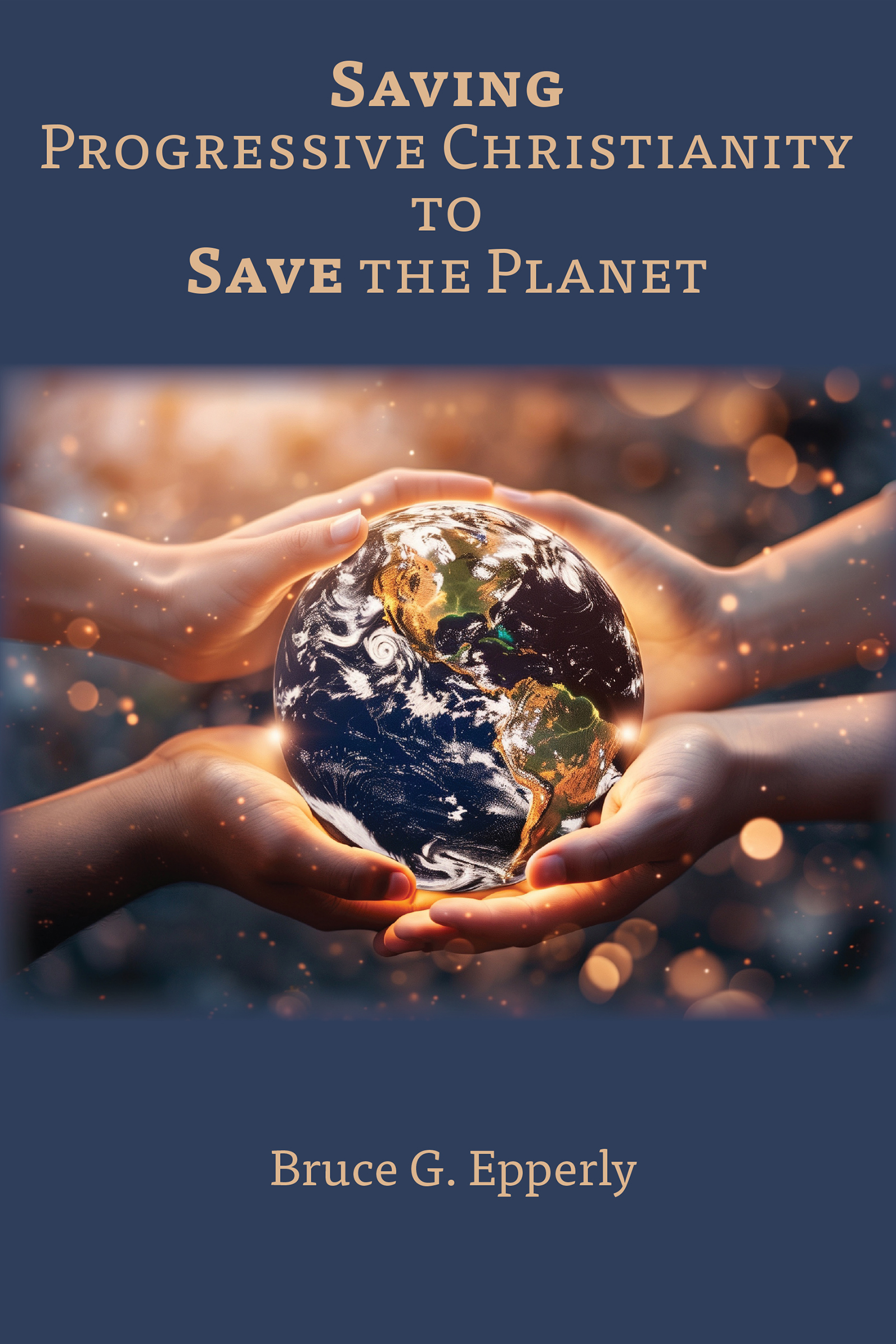
  • Saving Progressive Christianity to Save the Planet

    Saving Progressive Christianity to Save the Planet

    Calling for a faith that lives by what it affirms, not just by what it denies, this book outlines a positive, engaging message supported by active spiritual practices, and carried out in action for a better community and planet.

    In doing so, Bruce Epperly calls for rethinking and reviving many Christian themes, often neglected or discarded in progressive Christianity, to help carry out this mission.

    Among these themes are:

    • Mystical experience and vision
    • Spiritual healing
    • Genuine dialog
    • Reclaiming a relationship with Jesus
    • Reclaiming and affirming the work of the Holy Spirit
    • Practicing God’s kindom and peace rather than an expectation of doom
    • Being witnesses in the world
    • Speaking and acting prophetically, bringing hope

    In bringing life to these themes, Epperly looks to Jesus and to scripture without demeaning other faiths. He evokes a relational, non-coercive God as the foundation of a relational and non-coercive presence in the world.

    This book will provide both a challenge and a hope to progressive congregations, especially those struggling with diminishing numbers, but it will also provide an excellent antidote to the charge that progressive Christianity is not an affirmative, active, and hopeful faith.

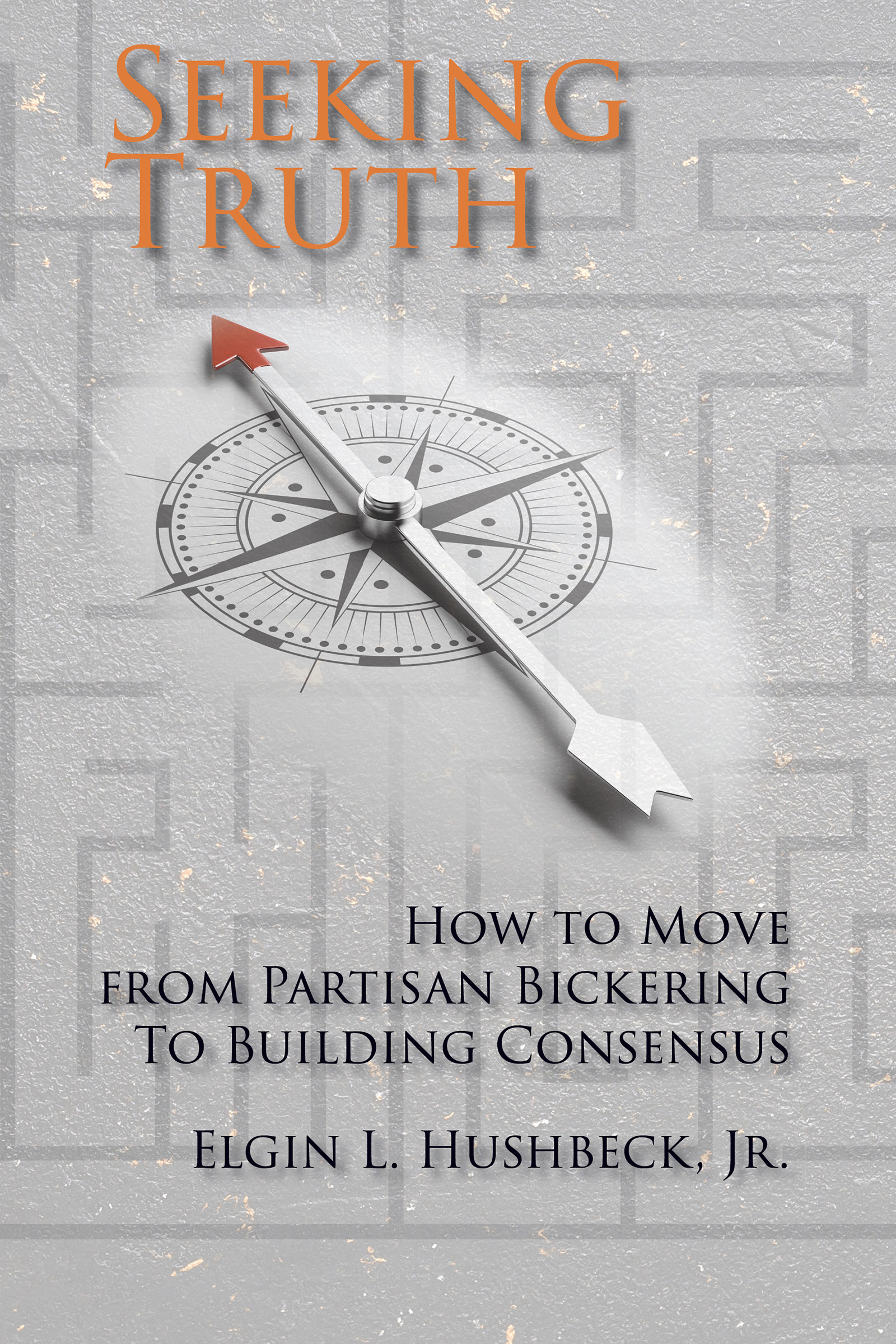
  • Seeking Truth

    Seeking Truth

    We live in a world that is not governed by Truth. Disagreements surround us. Recent Presidential elections are hotly contested and won by the narrowest of margins. Charges of misinformation, fake news, and bias abound. Everyone claims they are correct; they have the Truth.

    Seeking Truth looks at both the philosophical and practical issues of Truth to understand how we come to know what we know and why we disagree so much. More importantly, it lays out how we can disagree in ways that avoid division and polarization and instead move to build a consensus on the Truth.

    Seeking Truth addresses things like how to think about what you believe, how to handle disagreement and errors positively, how do you know if you are open-minded, and how to make better decisions.

    Seeking Truth uses a lot of examples to make this case. To avoid current disputes, most are drawn from history, as people in various times and settings sought to understand how nature works, what happened in a particular event, or what is the best way to proceed or govern ourselves. Science, history, politics, business, all of these areas involve Truth in one way or another.

    Seeking Truth will help you become a better thinker, a more critical thinker, and one who moves closer to the Truth.

  • Seventh-Day Adventists and the Bible

    Seventh-Day Adventists and the Bible

    In debates about the authority of the Bible, people commonly argue that the Bible is inspired, even inerrant, and therefore that it has authority. Is this argument valid?

    Dr. Edward W. H. Vick argues that it is not, that authority does not derive from inspiration, and that terms like “inspiration” and “inerrancy” do not contribute to a belief in, or the authority of the Scriptures at all.

    Using the example of the Seventh-day Adventist Church and debates over the inspiration and authority of the Bible and then of Ellen G. White, he outlines and illustrates the pitfalls of arguing directly from an idea of inspiration to a view of authority. In short, he maintains that a doctrine of inspiration cannot serve to establish the authority of a writing. Writings have authority as they are accepted by and used in the community.

    As a philosopher with years of teaching experience in biblical studies and theology, Dr. Vick examines the way in which Christians speak about these issues and then asks whether what we say is contributing to what we do, or where we wish to go.

    Seventh-day Adventists especially owe it to themselves to read this compact yet powerful book as they think about their use of E. G. White’s writings and their relationship with Scripture. Other Christians can benefit, however, as the arguments are similar whether one is talking about the Bible itself, an authoritative figure in your religious tradition, or a source of interpretation and application you view as authoritative. It is especially relevant in a pluralistic world. How is it that you decide what is authoritative?

  • Seventh-Day Adventists and the Bible (Office Stock)

    Seventh-Day Adventists and the Bible (Office Stock)

    In debates about the authority of the Bible, people commonly argue that the Bible is inspired, even inerrant, and therefore that it has authority. Is this argument valid?

    Dr. Edward W. H. Vick argues that it is not, that authority does not derive from inspiration, and that terms like “inspiration” and “inerrancy” do not contribute to a belief in, or the authority of the Scriptures at all.

    Using the example of the Seventh-day Adventist Church and debates over the inspiration and authority of the Bible and then of Ellen G. White, he outlines and illustrates the pitfalls of arguing directly from an idea of inspiration to a view of authority. In short, he maintains that a doctrine of inspiration cannot serve to establish the authority of a writing. Writings have authority as they are accepted by and used in the community.

    As a philosopher with years of teaching experience in biblical studies and theology, Dr. Vick examines the way in which Christians speak about these issues and then asks whether what we say is contributing to what we do, or where we wish to go.

    Seventh-day Adventists especially owe it to themselves to read this compact yet powerful book as they think about their use of E. G. White’s writings and their relationship with Scripture. Other Christians can benefit, however, as the arguments are similar whether one is talking about the Bible itself, an authoritative figure in your religious tradition, or a source of interpretation and application you view as authoritative. It is especially relevant in a pluralistic world. How is it that you decide what is authoritative?

  • Seventh-day Adventists Interpreting Scripture and Establishing Fundamental Doctrines

    Seventh-day Adventists Interpreting Scripture and Establishing Fundamental Doctrines

    What are the key experiences that have defined the traditional Seventh-day Adventist approach to hermeneutics?

    Veteran Seventh-day Adventist theologian and philosopher Edward W. H. Vick provides a brief answer to this question in this short book, with only 64 pages of text. Tracing the way interpretation was done starting with the Millerite movement in the 1840s, and working through the influence of Ellen G. White and others, Vick suggests that the hermeneutic used was self-confirming. Each apparent problem solved resulted in further faith in the method.

    As a result, among traditional Adventists, hermeneutics has taken a particular shape which locks in this set of doctrines, and the doctrines, in turn, uphold the hermeneutic.

    This book will be especially helpful to Seventh-day Adventists who want to communicate with biblical scholars and theologians outside of their community. It will be of help to those who are not Adventists in understanding the nature and tenacity of SDA hermeneutics.

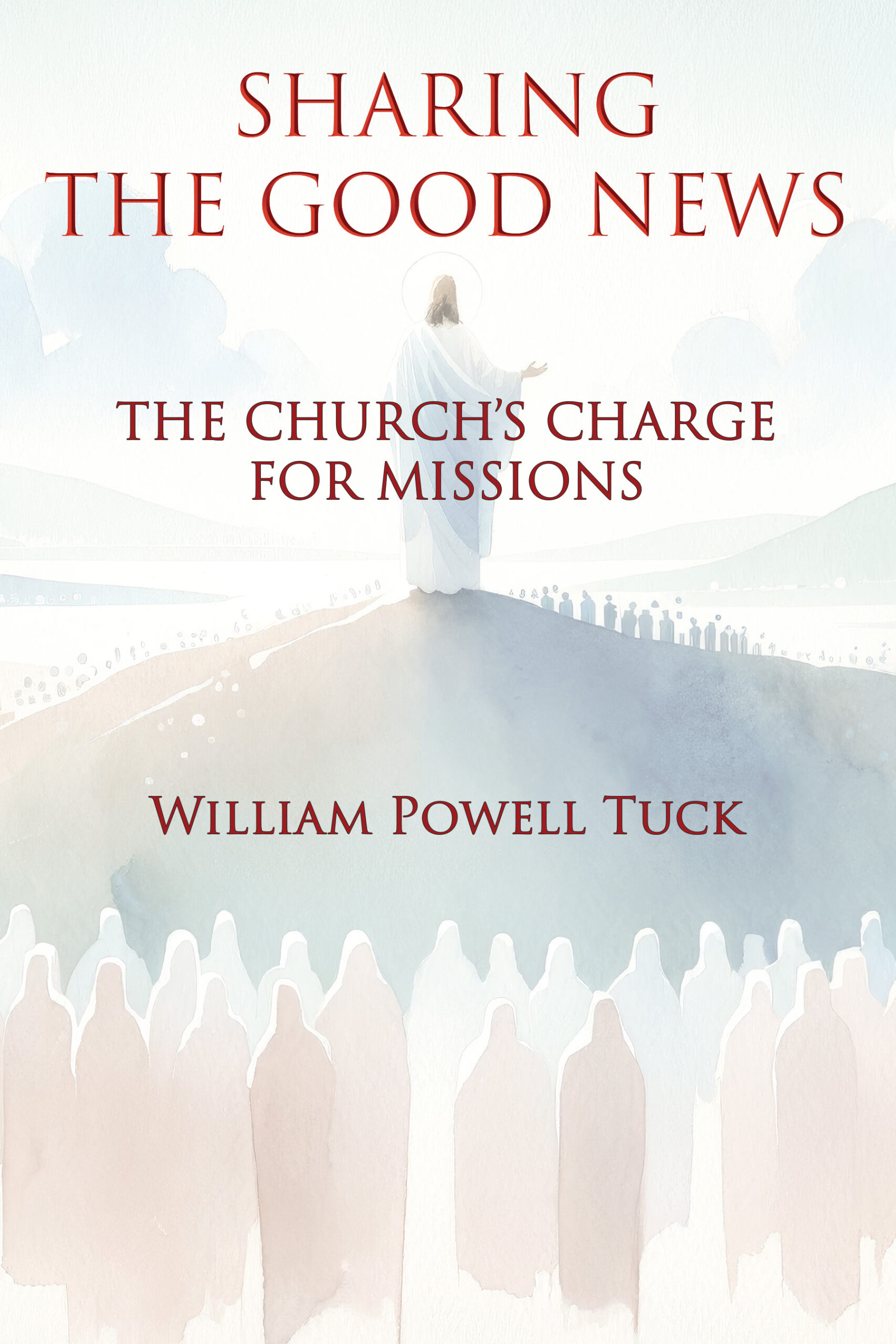
  • Sharing the Good News

    Sharing the Good News

    What is the primary mission of the church? In this book author William Powell Tuck argues for the significance of the church’s mission to proclaim the good news of God’s reconciliation with the world through Jesus Christ.

    To place this mission in historical and theological context, the author explores various biblical stories that highlight the importance of carrying out the church’s missional calling. He argues that the church must reclaim its calling to share the good news, especially in a world that has largely lost the true message and meaning for which the Church was founded. He insights into understanding biblical characters, the sweep of Christ’s love, and the role of reconciliation in the context of God’s eternal plan of redemption. Tuck also discusses the impact of the COVID-19 pandemic on churches and congregations and provides suggestions for how the church can re-engage in its mission effectively in a post-pandemic world.

    The message of this book is presented with biblical depth, pastoral compassion, and the potential to inspire and challenge readers to embrace the church’s mission of sharing the good news. It’s broad view of biblical history makes it helpful for understanding the broad sweep of the Bible’s message. It’s practical presentation makes it useful for any church leader, and in fact for any Christian who wants to embrace Christ’s call to reach the world.

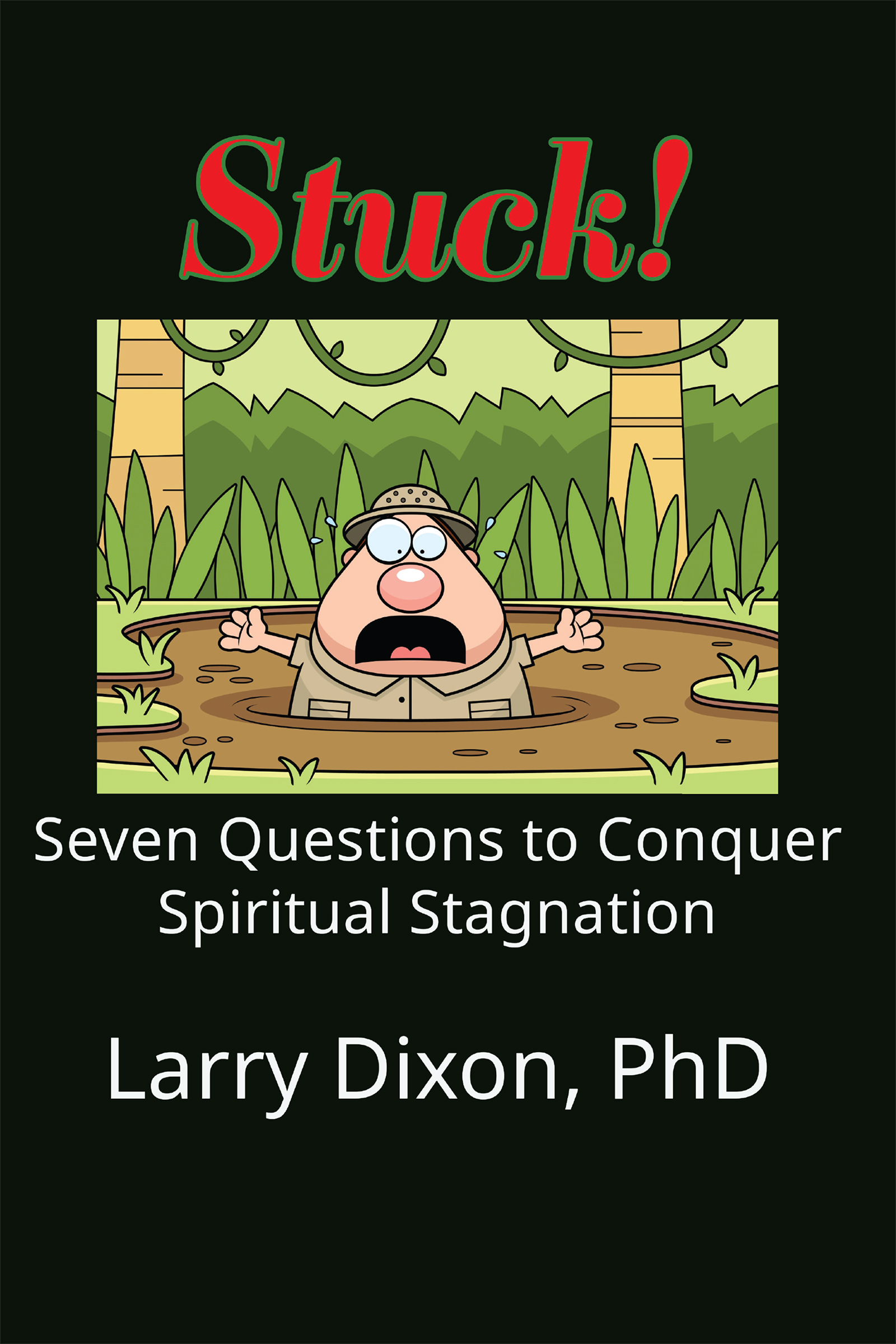
  • Stuck!

    Stuck!

    Stuck?

    Feeling stagnant in your spiritual journey? This book offers a biblical lifeline to those feeling stuck and sinking.

    Through seven thought-provoking chapters, you will be challenged to examine your personal responsibility, your relationship with the Bible, and your impact on others. With practical guidance and biblical truths, this book will equip you to break free from spiritual quicksand and move forward with renewed purpose.

    Rediscover joy in your walk with Christ and experience the abundant life He intends for you.

    Get unstuck and get growing!

Energion Direct
Privacy Overview

This website uses cookies so that we can provide you with the best user experience possible. Cookie information is stored in your browser and performs functions such as recognising you when you return to our website and helping our team to understand which sections of the website you find most interesting and useful.