Imprint: Energion Publications

Our main Energion Imprint

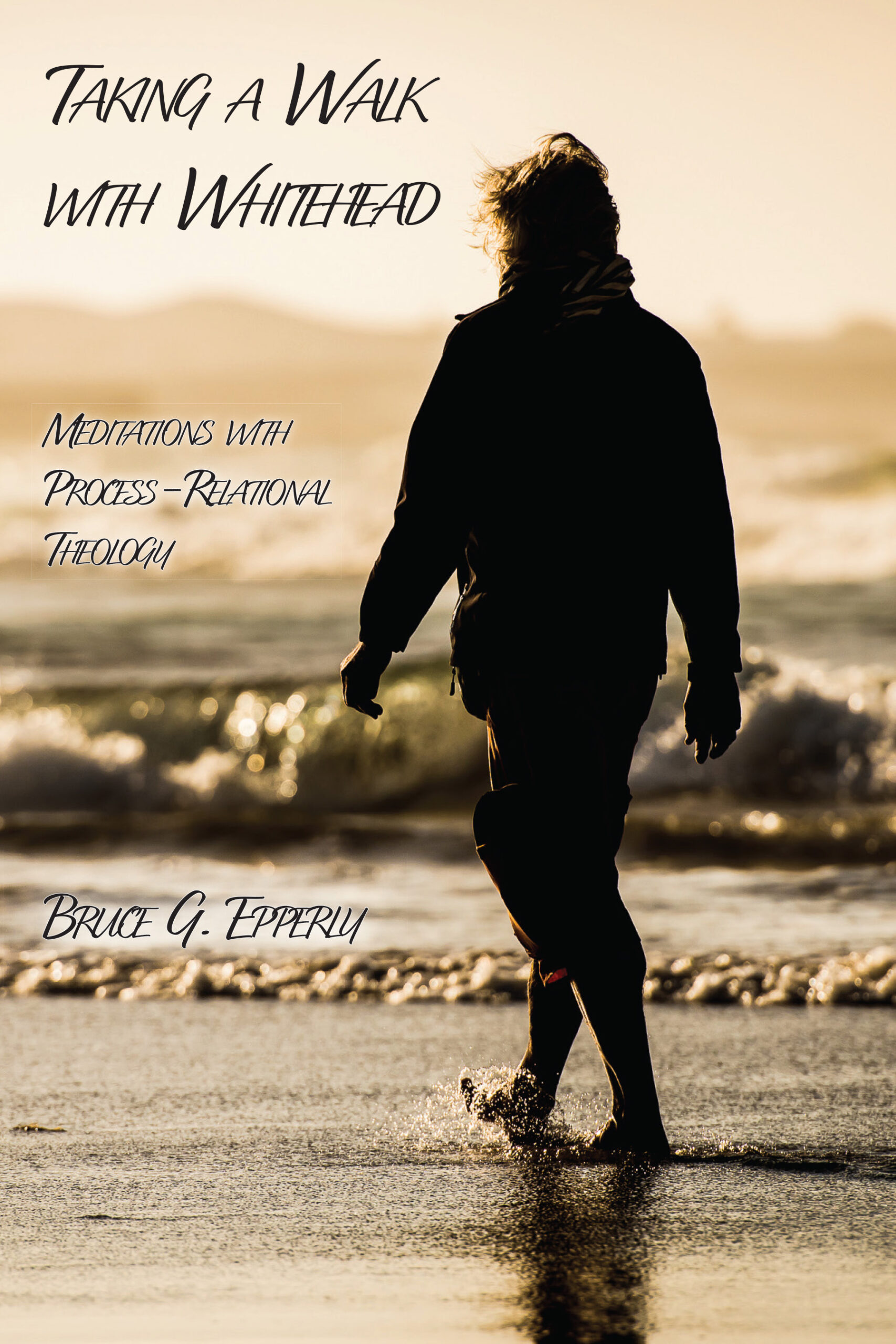
  • Taking a Walk with Whitehead

    Taking a Walk with Whitehead

    What do walking, meditation, prayer, and process-relational theology have to do with one another? In the view of theologian Bruce Epperly, much, in every way!

    This delightful devotional book draws from the experience of decades as a pastor, but also from simply living the principles of process-relational theology. The first chapter title, “It Will Be Solved in the Walking,” sets the tone. Epperly continues to look at some of the simple things of life and find in them opportunities to hear Divine wisdom and to see new opportunities and energies released in your life.

    “Religion without adventure is dead,” he says, and then presents spiritual adventure after spiritual adventure.

    Each chapter grew out of reading and meditating on a quotation from Alfred North Whitehead. The reader is not only taking a walk with Whitehead, but also with the author as he presents how this particular quotation impacted his life and his ministry.

    This is a devotional book designed to draw the reader into an experience of spiritual and theological adventure. It includes exercises that suggest how to grow from and beyond the meditations in the book. It is suitable for individual or small group reading and study.
  • Talking Politics with Jesus

    Talking Politics with Jesus

    What might Jesus say to you today about your political decisions? Would he care?’

    With his gift for making Scripture and theology clear and very relevant, Dr. Bruce Epperly looks at the Sermon on the Mount and suggests to us what Jesus might be saying about our own politics and social ethics. Point by point he brings the topics Jesus covered home to a modern audience, especially in America.

    With topics such as “all-embracing love,” intercessory prayer,” and “bringing the light,” almost anyone will find something here to think about. Perhaps God is asking something more of us in the social and political sphere than we might have imagined. Are we called to be Jesus in public forums and the halls of government?

    The book closes with a series of conversation starters, several for each chapter, which makes this an ideal book for a small group study. It can also be read individually, and will perhaps give you both the impetus and some of the ideas that will help you change our world.

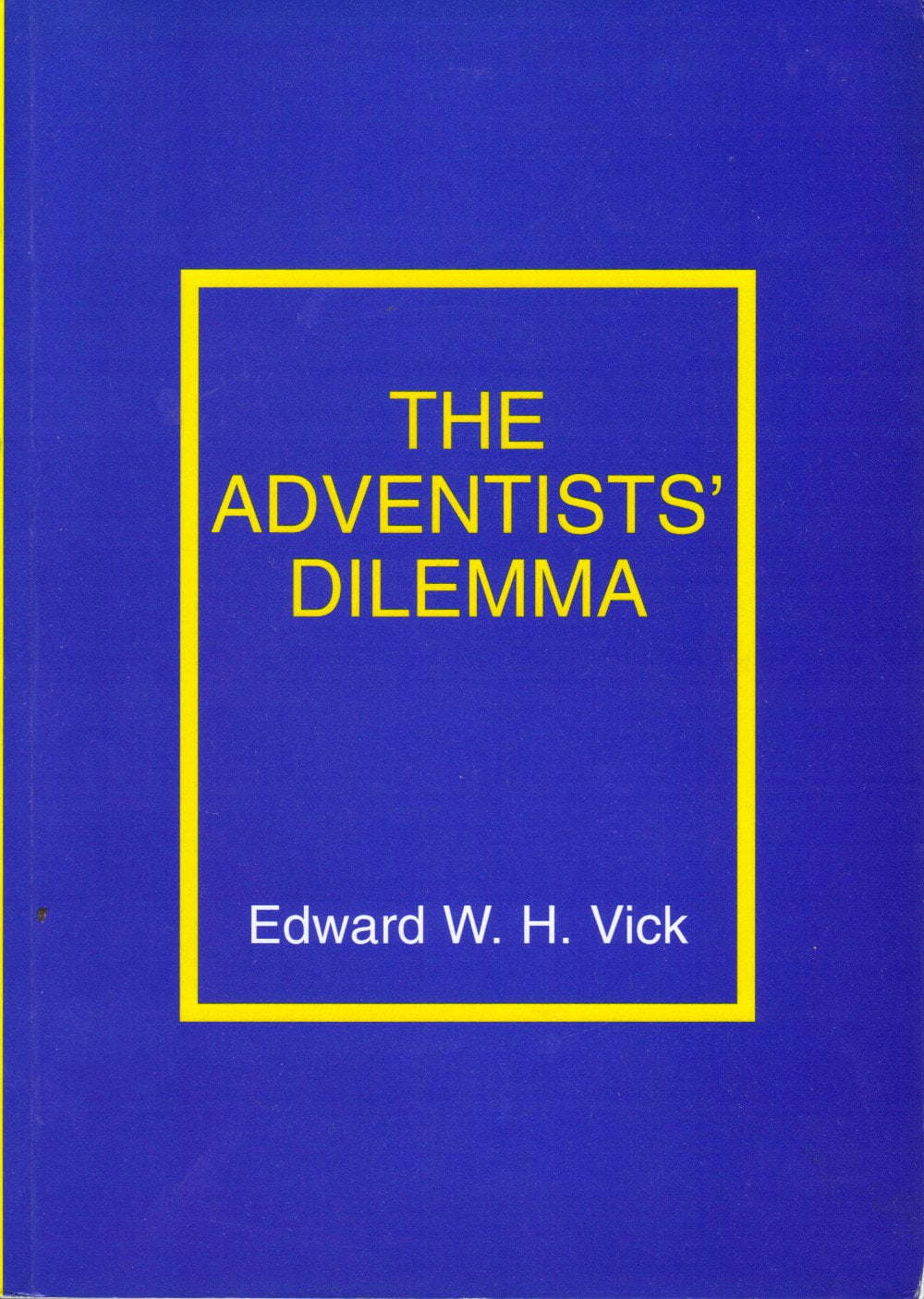
  • The Adventists’ Dilemma

    The Adventists’ Dilemma

    Edward W. H. Vick provides an unbiassed assessment of the claim that you can go on speaking of the Second Advent as ‘soon’ after having said so for centuries, followed by a constructive statement suggesting a more honest approach derived directly from the New Testament.

    If you use ‘soon’ in the ordinary sense, you can’t go on saying that the Advent is soon. If you say the Advent is ‘soon’ in a qualified sense (meaning ‘in the unknown and indefinite future but not long into that future’) the claim is meaningless. So the claim that the Advent is soon is either false or meaningless.

    That leads us into a range of interesting problems: knowledge, certainty, truth, claims to know the truth, the meaningfulness of religious claims, the status of claims about the future and of the argument from prophecy, and the gap between the first and twenty-first centuries.

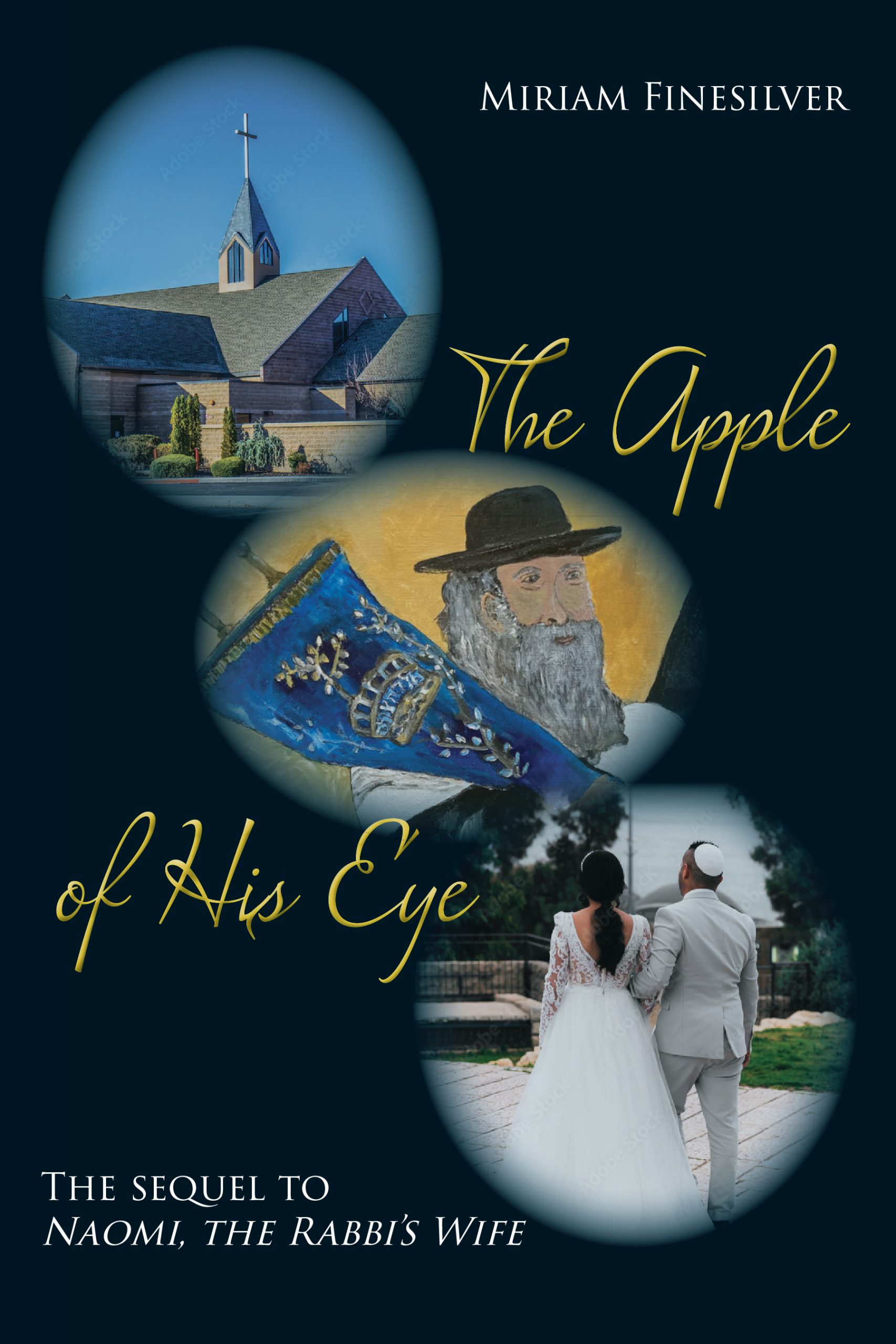
  • The Apple of His Eye

    The Apple of His Eye

    A rabbi and his wife, as new believers in Yeshua, are in uncharted territory and faced with questions that demand answers.

    Daniel, as Rabbi of Temple Beth Shalom begins the most unique Friday night service as his congregation sits stunned by his apology. “I need to apologize to every one of you sitting here tonight because I have loaded you down with burdens too heavy for any person to bear. I realize I have spoken many many times about our responsibility as Jews to take up the yoke of the law. But I now realize none of us can take up that burden-not even your rabbi.”

    How will Daniel now support his family? And how will they now find a place to express their newly found faith? And how will they resolve the conflict between them as each desires their own expression of worship?

    “Yeshua just broke into my life-and He overshadowed all my fears, my shame, and wounds that had been crippling me,” Naomi explains to Daniel. “When I experienced His love, suddenly I was like a ballerina. Like I was gliding and not walking. So I guess I don’t worry how to worship Him. I want my love to burst forth just like His did for me. If I lose knowing Him and His presence-the air becomes empty. There’s nothing in it. Empty air. Wasted air. But with His presence, glistening honey plumps up every molecule in the air. Daniel, I don’t want to go back to a one-dimensional delusion of reality-reality is His presence.”

    Daniel, however, cannot put aside the memory of his Aunt Luba. Having been sheltered from the Nazis by a Christian family, Daniel asks, “Did they try to convert you?” Her answer remains etched in his heart and mind: “Their religion is good for them,” she tells him. “But, boychik, not for us. We are Yids. Our Torah is full of wonderful old men with white beards-and our shuls, when young I loved watching Papa drinking schnapps with all the men-all of them dancing with the Torah. I can see them-holding scroll like it was their baby.”

  • The Battle for Eternity

    The Battle for Eternity

    There is a conflict raging around you. The spiritual realm does not sleep, take vacations, or take breaks; it is a continuous war for the souls of humanity,. Are you armed for the fight?

    In The Battle for Eternity, J. Hamilton Weston delivers an urgent wake-up call to believers, warning that the end times are nearer now than ever before. Moving beyond a basic understanding of good and evil, Weston exposes the specific tactics of the adversary—from the blinding deception of Satan to the dangers of becoming a “lukewarm” church,. He argues that many Christians are oblivious to the spiritual war raging every moment of every day, and that ignorance is a vulnerability the enemy is all too eager to exploit,.

    This book is a tactical manual for spiritual survival and victory. Drawing on deep scriptural research, Weston guides you through the essential arsenal required for the Christian soldier:

    • The Invincible Obedient: Discover how total submission to God makes you a force the enemy cannot dismantle.
    • The Armor of God: Learn to gird yourself with truth, righteousness, and the shield of faith to quench the fiery darts of the wicked one,.
    • The Weapons of Warfare: Master the use of prayer, the Holy Spirit, and the Word of God to pull down strongholds,.
    • The Divine Promise: Find courage in the “I AM” promises of Jesus and the assurance that God is your divine protector who fights your battles for you,.

    You cannot avoid this conflict, but you do not have to fight it alone. Whether you are facing giants like Goliath or the subtle whispers of discouragement, this book reveals that the victory has already been won through the blood of the Lamb,. Prepare to stand firm, overcome the world, and claim the rewards of the faithful.

  • The Birth

    The Birth

    God’s son, Jesus, was born for all mankind,” Kamden said to Nana. “Does that mean me too?”

    “Yes, it does,”said Nana.

    Do we want Christmas to mean more to our children than Santa Claus and presents? When do we start having those conversations with them?

    In the Kamden Faith Journey Series’ 5th book, The Birth, Kamden begins to dig into some of the things he has been told about Jesus’ birth but did not understand. Our children are also going to hear the words from Matthew or Luke and, maybe after hearing this part of Kamden’s journey, we can continue to have a conversation that will be a lifetime journey with our Father God.

  • The Byzantine Text-Type & New Testament Textual Criticism

    The Byzantine Text-Type & New Testament Textual Criticism

    Read the preface to this reprint edition by Dr. David Alan Black.

    Should the Byzantine text-type be considered valuable in determining the original text of the New Testament? Does it bear independent witness to ancient readings?

    Dr. Harry Sturz, in a book published in 1984, maintained that it should be valued and that it could help with finding older readings and thus contribute to our knowledge of and confidence in the text of the Greek New Testament. His position, that the Byzantine text-type should be weighed along with other witnesses to the ancient text, differs from those who dismiss Byzantine manuscripts, which were largely copied later, but also from those who hold that the Byzantine text has priority or even is determinative of what the final reading should be. He uses carefully laid out arguments and numerous specific examples in making his case.

    This book is divided into two parts. The first outlines the positions both for relying on the Byzantine text and for largely ignoring it. Part two examines the evidence and outlines an argument that neither side of this debate should win the field, but rather that the Byzantine text should be valued, but not made exclusive.

    Energion Publications is pleased to offer this reprint edition, reproducing the text of the old book exactly, and adding a preface by Dr. David Alan Black. We believe that Dr. Sturz’s arguments provide a strong case and are as relevant today as they were in 1984. We also believe that not just scholars but all believers should be made aware of discussions about the text of Scripture so that they can understand the arguments for the reliability of the text we have today.

    This book is primarily aimed at students of New Testament textual criticism and at scholars who are seeking to refine their art. The first section especially is accessible to any serious reader. While the second section does include Greek text and excellent references, the main argument is clear and accessible.

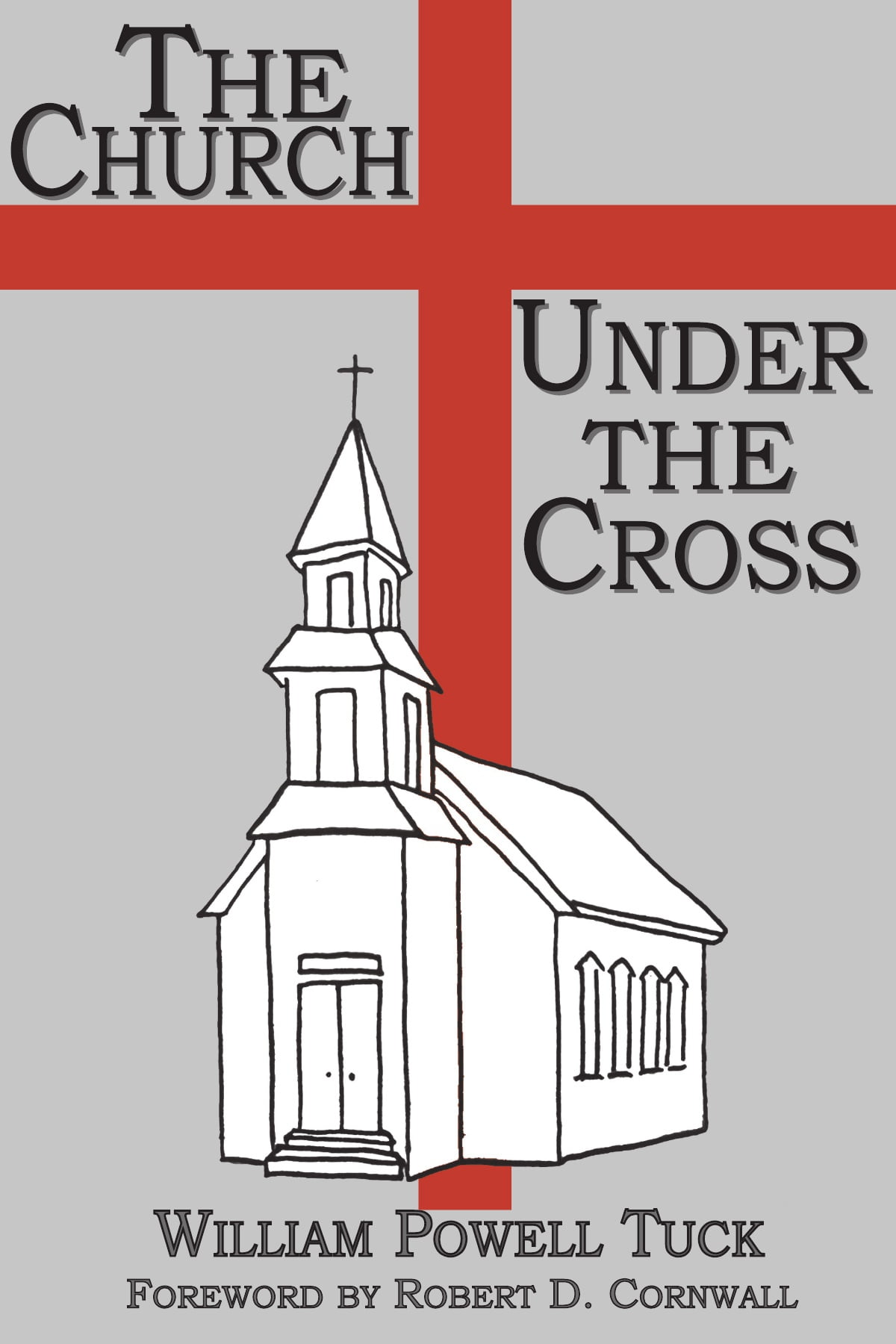
  • The Church Under the Cross

    The Church Under the Cross

    The cross has always been a scandal and sometimes a source of ridicule. At the same time, it is the central symbol of Christianity. Author William Powell Tuck believes that the cross has never been more relevant than it is today. It may be difficult to preach the cross, but it is the duty of Christians to do so. “As long as the church lifts up a hollow, aluminum foil cross instead of a heavy wooden cross, we will always be guilty of heresy in the message we present to the world,” he says. In the pages of this book you will start by looking the cross as the central symbol of the gospel, a symbol that you cannot forget if you want to preach and live an authentic gospel. From there you will look at how the cross illuminates our understanding of God, and then to the way it guides the way we will teach and serve. The cross is truly a difficult subject to preach, both because we stand amazed at what it represents and because of what it calls for each of us to do. But however difficult it is, we must not avoid it. Only if we become the church under the cross will we be the genuine body of Christ.

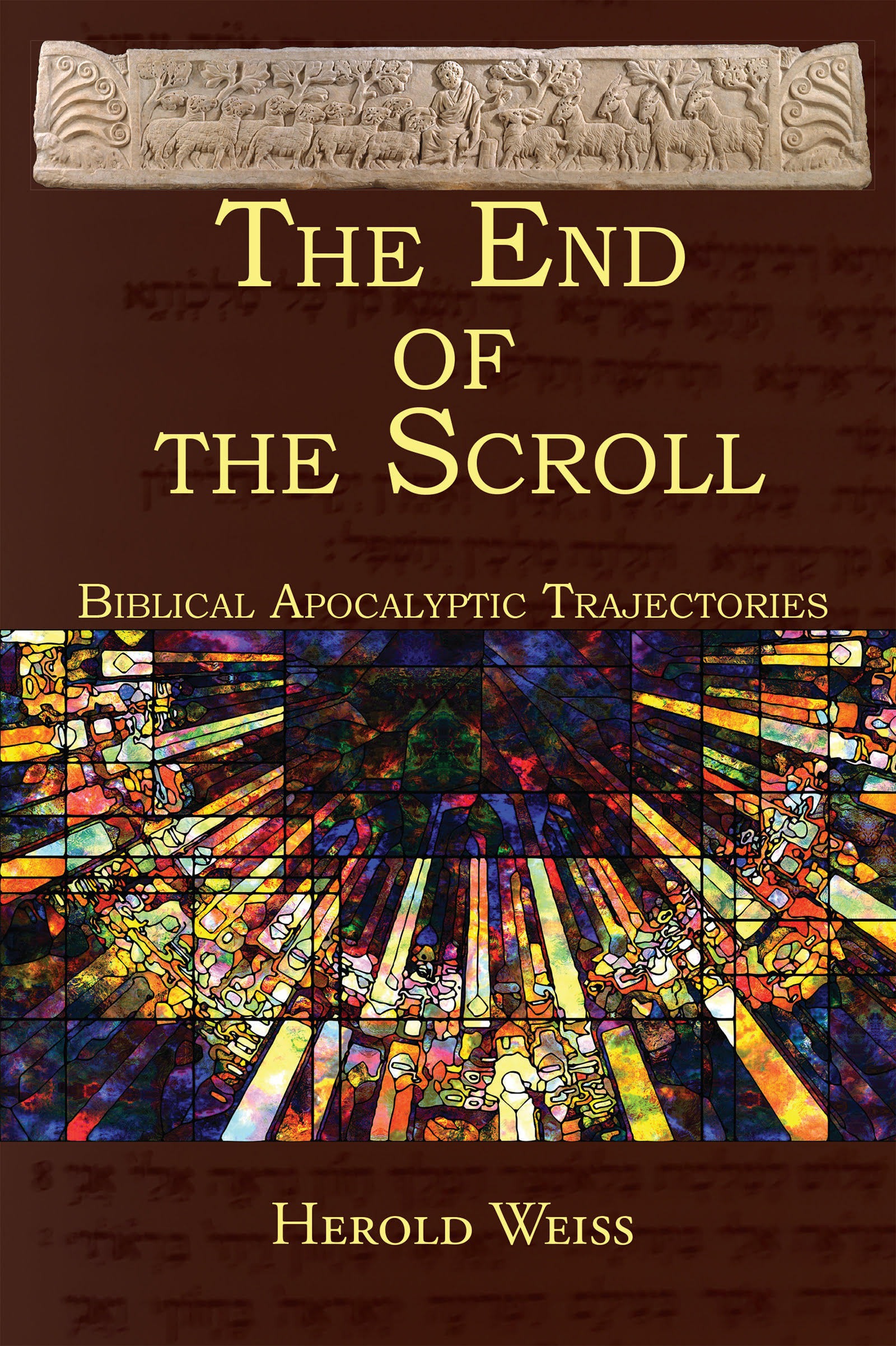
  • The End of the Scroll

    The End of the Scroll

    Preachers, teachers, and self-proclaimed prophets frequently claim that the end of the world is near, often based on their interpretation of Bible books such as Daniel and Revelation. Are these claims justified? Is there a valuable message in these books?

    In this masterful book, Dr. Herold Weiss applies a lifetime of study, teaching, and writing on the Bible to helping readers understand apocalyptic literature and symbolism. Avoiding the common error of simply finding something in recent history that can be tied to the text in some way, he seeks the purpose of each of the writers. Why, when expected events failed to take place as predicted, did the readers of these books still hold onto them as valuable? What is it that they communicated to those readers, and can we make use of it now.

    Dr. Weiss examines a number of apocalyptic sources, some of which you might not have regarded as apocalyptic. He finds, however, that these writers are thinking and writing in a world of apocalyptic imagery. From Ezekiel, Zechariah, and Daniel in the Old Testament to the synoptic gospels, Paul’s letters, and the general epistles in the new, Weiss outlines how understanding the apocalyptic view of the universe can be critical in understanding the message presented.

    As with previous books by Dr. Weiss, such as Meditations on According to John and Meditations on the Letters of Paul, this book provides a practical view of biblical theology in action. He looks at both the broad overview of the message, giving a framework, and then fills in the details on a verse by verse, passage by passage basis, so the reader can see how individual statements and themes fit into a larger framework.

    He concludes by pointing out how by understanding the work of the apocalypticists, and following the examples of their readers, we can find spiritual value and encouragement in these books.

    This book is suitable as an introduction to apocalyptic literature or as a way of organizing one’s thinking after reading a number of these books. It would also be suitable for reading in an experienced small study group.


  • The End of the Scroll

    The End of the Scroll

    Preachers, teachers, and self-proclaimed prophets frequently claim that the end of the world is near, often based on their interpretation of Bible books such as Daniel and Revelation. Are these claims justified? Is there a valuable message in these books?

    In this masterful book, Dr. Herold Weiss applies a lifetime of study, teaching, and writing on the Bible to helping readers understand apocalyptic literature and symbolism. Avoiding the common error of simply finding something in recent history that can be tied to the text in some way, he seeks the purpose of each of the writers. Why, when expected events failed to take place as predicted, did the readers of these books still hold onto them as valuable? What is it that they communicated to those readers, and can we make use of it now.

    Dr. Weiss examines a number of apocalyptic sources, some of which you might not have regarded as apocalyptic. He finds, however, that these writers are thinking and writing in a world of apocalyptic imagery. From Ezekiel, Zechariah, and Daniel in the Old Testament to the synoptic gospels, Paul’s letters, and the general epistles in the new, Weiss outlines how understanding the apocalyptic view of the universe can be critical in understanding the message presented.

    As with previous books by Dr. Weiss, such as Meditations on According to John and Meditations on the Letters of Paul, this book provides a practical view of biblical theology in action. He looks at both the broad overview of the message, giving a framework, and then fills in the details on a verse by verse, passage by passage basis, so the reader can see how individual statements and themes fit into a larger framework.

    He concludes by pointing out how by understanding the work of the apocalypticists, and following the examples of their readers, we can find spiritual value and encouragement in these books.

    This book is suitable as an introduction to apocalyptic literature or as a way of organizing one’s thinking after reading a number of these books. It would also be suitable for reading in an experienced small study group.


  • The Forgotten Third

    The Forgotten Third

    For many Christians, the Holy Spirit is effectively unknown, part of the Trinity, but largely ignored. For others, the Spirit is something dangerous, a potential disruption in congregational life. Is it possible to have a biblically-based relationship with the Holy Spirit?

    In this short, 70-page book, Dr. Larry Dixon presents a biblical perspective on the Holy Spirit, using extensive scripture references and developing in a systematic way how one can understand the Holy Spirit and relate to the Spirit. As you study these simple but profound lessons, you will find many ways in which you can approach the subject of the Holy Spirit and ways in which having a relationship with the Spirit will build you up spiritually and drive you deeper into the Word.

    The Holy Spirit should not be seen to be in conflict with the written Word, but rather to be a teacher and a constant influence. God the Spirit is also personal, also God, and also worthy of our worship and our attention.

    This book is suitable to use in a churchwide study or in small groups, with thought questions for each lesson. It is a quick tour, but not a shallow one. Be prepared for the challenge!

  • The Garden

    The Garden

    What will Kamden learn next? Gardening, that’s what! In this book he learns something about how a human plants a garden but also learns about the Divine gardener.

    The books in the Kamden Faith Journey series are designed to introduce spiritual topics in a simple and basic way, both in terms of vocabulary and structure, and in terms of values.

    For parents teaching their children about their Heavenly Father, or Sunday School teachers looking for an introduction to lesson topics, these stories are not doctrinally narrow or detailed. Rather, they provide a jumping-off point for parents and teachers, who can read the story with the children and then follow up with deeper biblical or more personal material.

    They can be used for children of a range of ages, but are designed to introduce reading skills. They will find no better use than as a home reader combining Christian values and carefully crafted, simple vocabulary.

Energion Direct
Privacy Overview

This website uses cookies so that we can provide you with the best user experience possible. Cookie information is stored in your browser and performs functions such as recognising you when you return to our website and helping our team to understand which sections of the website you find most interesting and useful.