Imprint: Energion Publications

Our main Energion Imprint

  • Walking Together

    Walking Together

    When a person has accepted Jesus as their savior, what comes next? What can an individual or a church do to guide them on their walk with Christ?

    The purpose of this study is to guide individuals who have recently accepted Jesus as their Savior through understanding their changed status and purpose as disciples. It begins by discussing salvation to help the new believer clearly understand their new identity and status and how they can live out the potential of this experience.

    The book continues with topics that build on the basic salvation experience: the renewing of the mind, the family of God, baptism, prayer, presence and participation with God’s family, gifts and stewardship, service, spiritual warfare, spiritual gifts and fruit, and one’s witness and how it can impact others.

    The study emphasizes that salvation is not a private matter but requires sharing the good news with others. Personal reflections and Deep Dive Questions are provided to facilitate self-exploration and growth in understanding one’s new identity in Christ. These questions make this study a valuable experience for more experienced Christians as well. With its emphasis on sharing, it could be exceptionally valuable in a group involving a variety of levels of experience.

    This book is primarily designed to be used for small group or church-wide studies, though it can be read on its own.


     

  • Well into the Night

    Well into the Night

    How does one write advertising copy for an emotional and spiritual odyssey?

    Some writing is called positive because it ignores reality. This collection is positive because it helps us dig deep into our souls to encounter what is and from there to imagine what may be.

    Well into the Night is a collection of poetry that will call to you from your own depths, and invite you to imagine new things. There is no whitewash here, no charming couplets describing who you’d be if you lived in an Edenic garden, and had never encountered the conflict of good and evil, joy and sadness, success and frustration. It does not call to you with the siren song of one who knows where you ought to go, how you ought to feel, or who has all the answers.

    Rather, it will call you into an exploration, one that calls on all you are, one that leads somewhere only you can imagine. Andreas Fleps will shine a light for you, but it will lead you where he imagines.

    If you want to take that odyssey, taste that experience, this collection is for you.


  • What Color Am I?

    What Color Am I?

    Note: Now shipping! We’re extending the pre-order pricing for another few days to give you a chance to get this important book at the reduced rate.

    How can a parent or grandparent of an African-American child talk about protests, race relations, and violence in a way that is consistent with their faith in God?

    Tamika Champion-Hampton, author of the Kamden Faith Adventure series, takes up this challenge in this new book. As will all books in the series, this one is designed for a parent, grandparent, or teacher to read with a child.

    Kamden sees protesters near the playground where he is enjoying himself and asks his Nana why they’re protesting and what this means to him.

    This book is both a good opportunity for reading and an opening for discussion for parents and teachers alike.


  • What Is Biblical Criticism?

    What Is Biblical Criticism?

    What does the term biblical criticism mean? What is the historical-critical method? Is it an attack on my faith, a valuable tool, or a combination of these things?

    This booklet aims to give the non-scholar an overview of what this is involved in biblical criticism and to point to some resources for those who want to know more. If you are wondering how scholars determine things like date and authorship, or look into the history of the composition of an ancient text, this booklet will give you a starting point.

    It can be a valuable resource both for individual study and for groups that want to understand the issues better as they use various commentaries and other resources in their study.

  • What Is the Word of God?

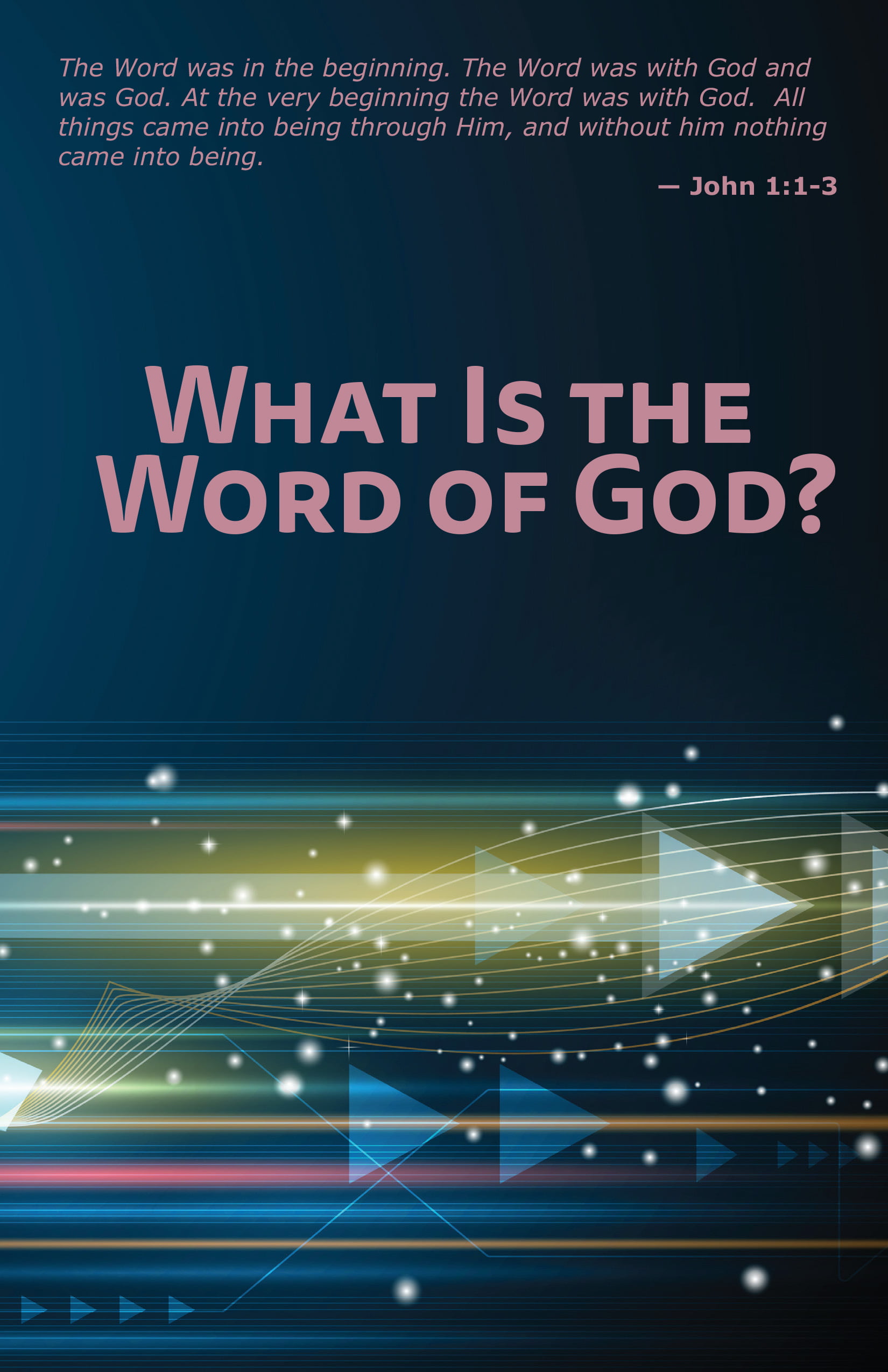
    What Is the Word of God?

    What is the Word of God? Is it the Bible?

    This pamphlet looks at the Word of God as used in scripture and Christian tradition to outline the various ways in which this term is used. It includes a discussion of how words spoken as God’s words become scripture.

    The FastTracts series is being developed from our Participatory Study Series tracts. Watch here for more booklets. Contact us for quantities greater than 50 copies.

  • When Hearts Heal

    When Hearts Heal

    “How can you mend a broken heart …” said the Bee Gees many years ago. As Linda Estes, along with most of us, knows, bruised and broken hearts are part of this life. How we deal with the brokenness is as diverse as we are. Linda reminds us that our LORD is the One who does more than apply temporary ointment or bandages. He tenderly and fully heals with the power of His own loving treatment.

    Join Linda in this fourth, and possibly her last, devotion book as she shares healing words from our LORD. What is next?

  • When the Casseroles Are Gone

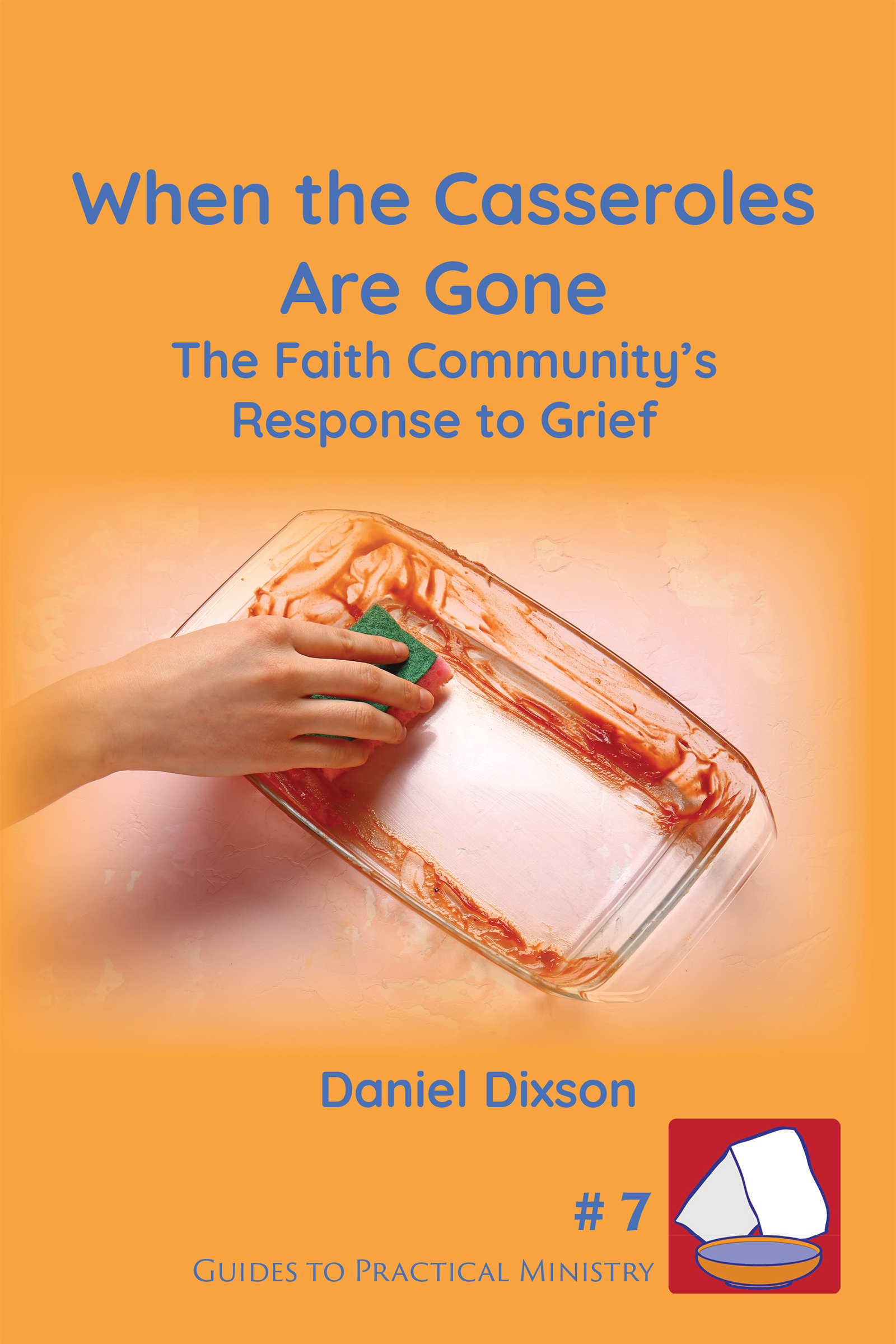
    When the Casseroles Are Gone

    Discover When the Casseroles Are Gone: The Faith Community’s Response to Grief, a vital guide for pastors, church leaders, laypersons, and anyone seeking to provide meaningful and lasting support to those grieving the loss of a loved one.

    While the initial response of bringing food, symbolized by the comforting casserole, is a deeply appreciated tradition, this book addresses the crucial question: What happens in the days, weeks, and even months after the funeral and the initial outpouring of support subsides?

    Drawing on the extensive experience of Daniel Dixson, an ordained minister, hospital chaplain, and certified thanatologist, When the Casseroles Are Gone delivers a hearty praxis casserole of practical theory, lived theology, relevant experience, and community tools to equip your faith community for effective grief ministry [6]. This guide goes beyond simply acknowledging the need for support; it provides a framework with practical, actionable suggestions for how your congregation can respond in a planned and organized way to those dealing with loss.

    This book explores:

    • Understanding the Nature and Journey of Grief: Gain insights into the complexities of bereavement, grief, and mourning, recognizing that grief is a marathon, not a sprint, and that it journeys with us indefinitely. Learn about different styles of grieving (intuitive and instrumental) and the Dual Process Model of coping with loss.
    • The Crucial Role of the Faith Community: Discover how your church, synagogue, or faith group can be a consistent source of comfort and hope, stepping into the gap when the initial support fades. Understand the profound responsibility of the faith community to those who grieve.
    • Establishing a Bereavement Team: Learn practical steps for setting up and training a compassionate Bereavement Team of lay volunteers who can provide ongoing support through visitation and contact. Discover the essential qualities of team members and guidelines for effective engagement with the bereaved.
    • Implementing a Follow-Up Process: Benefit from suggested timelines for visits and a bereavement mailing program designed to offer consistent and non-intrusive support throughout the first year after a loss and beyond [12, 31-35]. Explore examples of sharable items for mailings that offer comfort and understanding.
    • Navigating Difficult Conversations: Learn about comments to avoid after a death and discover helpful phrases that offer genuine support and acknowledge the griever’s pain without minimizing their loss. Understand the concept of disenfranchised grief and secondary losses.
    • Creating a Culture of Compassion: Cultivate a faith community that understands the importance of recognizing and honoring grief, fostering an environment where bereaved individuals feel supported, heard, and not alone.

    When the Casseroles Are Gone is more than just a guide; it is an invitation to your faith community to set a new table – a table of caring, compassion, and understanding that nourishes the souls and spirits of those hungered by grief. It is the resource that will help you move beyond the initial acts of kindness to provide gifts of genuine hope and comfort that last long after the last casserole dish is returned.

    This book is invaluable for pastors, church leaders, congregational care groups, small group resources, and individual studies, empowering each person to be called to this important service of supporting one another through life’s most difficult transitions.

  • Whitehead and Jesus

    Whitehead and Jesus

    Can the philosophical vision of Alfred North Whitehead and the life of Jesus of Nazareth unite to ignite a deeply personal and progressively transformative faith?

    In Whitehead and Jesus, author Bruce G. Epperly charts a deeply personal and theological journey spanning over fifty years, exploring the dynamic interplay between the renowned philosopher Alfred North Whitehead and Jesus. This text is both autobiographical and theological, detailing how both figures transformed, and continue to transform, the author’s life.

    Epperly, a theologian shaped by both his cradle evangelical roots and a progressive, process-relational perspective, seeks to explore the imaginative and textual impact of Jesus on Whitehead’s philosophical vision. He aims to inspire Christians to see how process theology can be enriched by a personal and mystical relationship with Jesus.

    Discover a “Bigger Jesus” and a Relational God:

    Through this unique synthesis, readers will encounter a vision of God and faith that moves beyond fear and dogma toward love and adventure. This book reveals:

    • Jesus as the Divine Companion: Jesus is presented as the Teacher, Healer, Companion, and Guide, embodying the Word and Wisdom of God. He reveals God as the “great companion – the fellow sufferer who understands”.
    • A Non-Coercive Vision of Power: The work highlights the profound truth, divined by Plato and supremely revealed in Christ, that the divine element in the world is a “persuasive agency and not as a coercive agency”.
    • The Realm of God as Shalom: Epperly joins Whitehead’s cosmology with Jesus’s prophetic vision, emphasizing that the Kingdom of Heaven is “with us today”. The realm of God is a quest for Shalom, wholeness, justice, and reconciliation that must be realized “on earth”.
    • An Adventure of the Spirit: Faith is framed not as a “rule of safety” but as “an adventure of the spirit, a flight after the unattainable”. This adventure leads to a lively, open, and holistic vision of Jesus that joins contemplation and action (contemplative activism) to help heal the earth.
    • Universal Love: The book affirms a “bigger Jesus,” known by love and hospitality, who opens us to appreciate truth wherever it is found. Jesus is “historically and intimately localized” but also “universalized, unbounded, and global in impact”.

    Whitehead and Jesus is an insightful call to embrace an “open-spirited and growing relationship” with Jesus and claim your vocation as God’s companion in the continuing Holy Adventure of creation.

  • Wind and Whirlwind

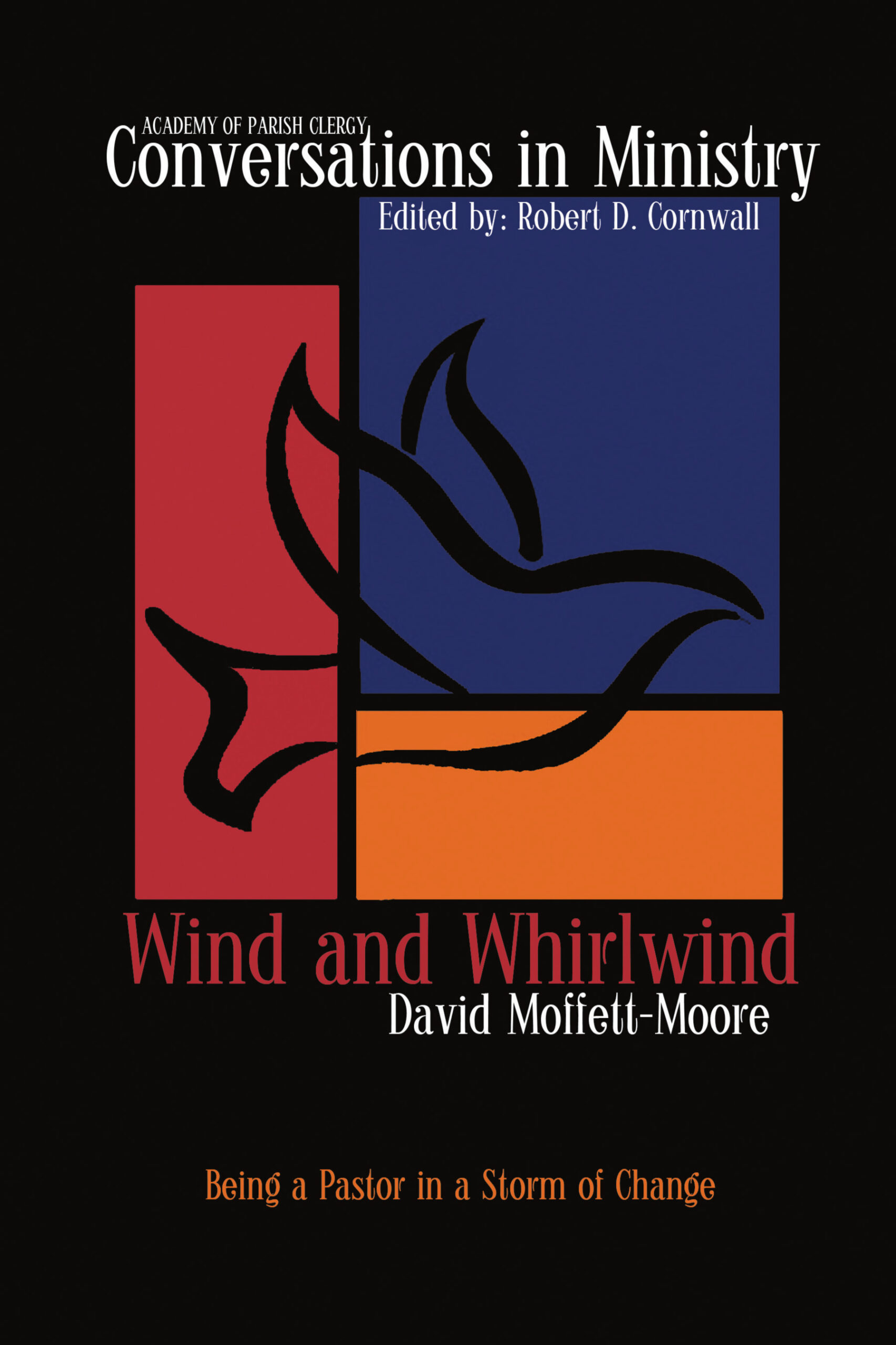
    Wind and Whirlwind

    It will come as no surprise to pastors and their families that the vocation of a minister involves stress. In fact, it involves a great deal of stress. Unfortunately, when many pastors encounter stress they tend to hunker down in the hopes of just surviving. All too frequently the stressful situations that have not been dealt with continue to build up, and the result is fatigue and burnout. In Wind and Whirlwind, Dr. David Moffett-Moore presents a better way. He has survived the whirlwind in his own ministry, and more importantly, with the help of many others he has learned to turn the stress into an opportunity for growth, both for himself and for the congregations he serves. In a series of 16 short chapters, he will help you identify the sources of stress, discover ways to manage it spiritually and emotionally, and point you to spiritual disciplines and practices that will help make you a better person and bring success to your ministry. While the chapters are short, they do not present easy, trite answers to complex problems. Rather, they will help you strengthen yourself, so you can discern the way God is working in your life and ministry. Each chapter presents topics for meditation and questions for discussion. It is designed to be used by clergy peer groups.

  • With Friends Like These …

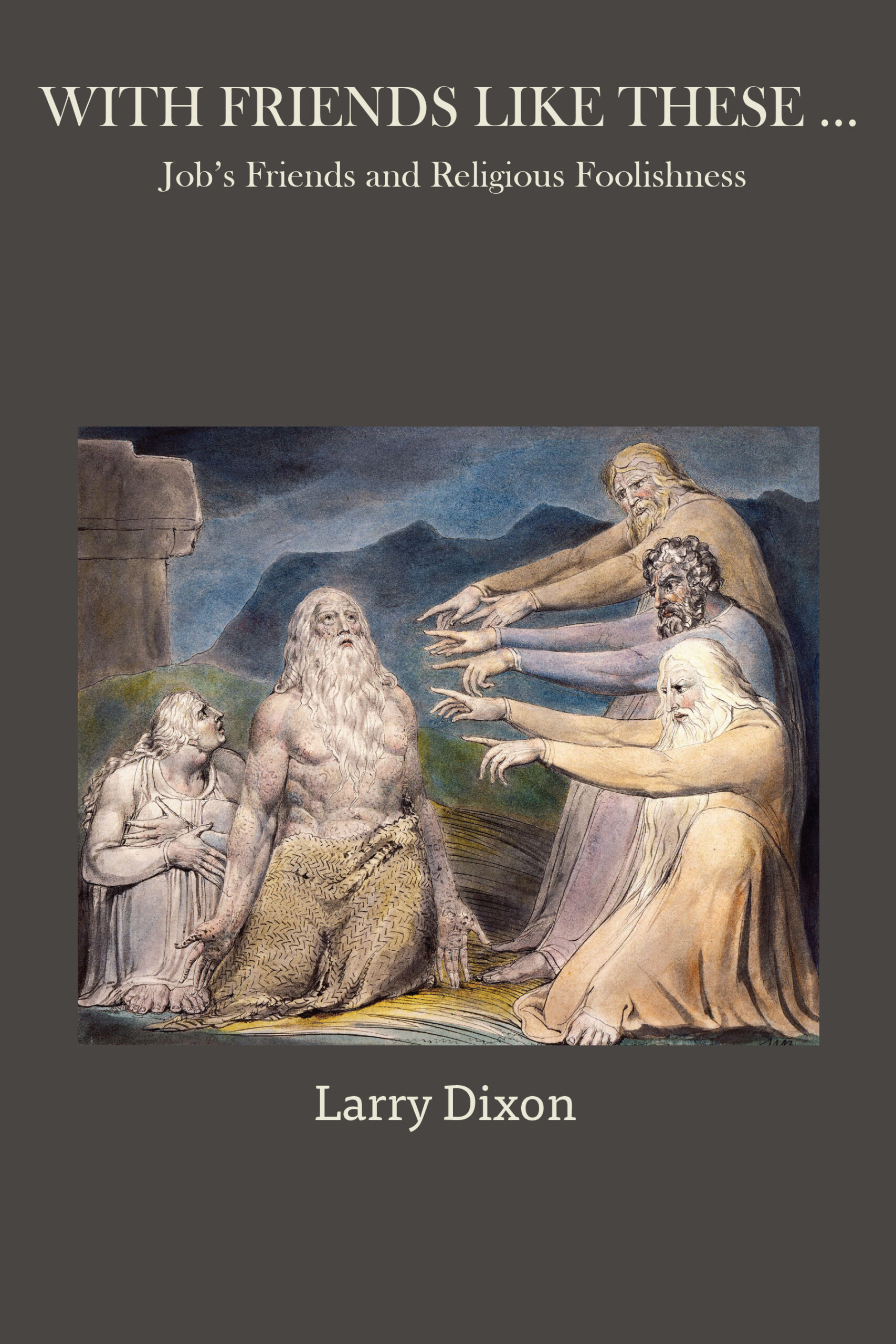
    With Friends Like These …

    Counseling is a dangerous profession, especially when well-intentioned advice fails to account for the eternal horizon.

     In this insightful study, author and theologian Larry Dixon explores the fine line between comforting the afflicted and inflicting further pain through bad theology. While Job’s friends initially offered the profound gift of a silent ministry of presence, their support quickly dissolved into a barrage of religious foolishness that added deep psychological wounds to Job’s physical suffering.

    With Friends Like These… dives into the forty-two-chapter treatise on suffering, analyzing the specific failures of Job’s “miserable comforters.” Dixon exposes their reliance on the faulty premise of divine earthly retribution, the assumption that God’s justice is always immediate and visible in this life. The author contrasts this myopic view with Job’s resilient hope for an eternal Advocate, highlighting Job’s declaration that “my redeemer lives” and his assurance that he would see God in his flesh even after death.

    Going beyond the narrative, Dixon challenges modern readers to reject “worm theology” and the “health and wealth” gospel, pointing instead to the New Testament truth that present trials are preparing believers for “eternal glory.” The book also tackles weighty theological questions regarding the eternal fate of the wicked, arguing against annihilationism and for the reality of eternal conscious punishment.

    By guiding readers through a unit-reading of Job, Dixon provides practical takeaways for caregivers, warning against speaking untruths about the Lord.

    This book offers essential lessons on how to avoid theologically mugging your friends and how to offer comfort rooted in both God’s sovereignty and eternal hope,.

    Pick up your copy today to discover how to be a true friend in times of suffering and avoid the trap of religious foolishness.

  • Wonder Where All the Wonder Went?

    Wonder Where All the Wonder Went?

    Preview this title“Just the facts.” “The numbers don’t lie.” “Get your beliefs right!” Can you have everything clearly laid out, knowing you are right, and still be missing out?

    Ron Higdon takes a look at what drives awe and wonder in our lives and what we might be missing if we get lost in the data, or in the troubles of our time, or even in the tremendous variety of entertainment that is available. Overwhelmingly so! He treats the keeping of wonder in our lives as both a gift and an achievement, or perhaps as a gift that must be put to use. What attitudes are helpful? What attitudes are not? This book has ideas that will transform you if you allow them to.  It is practical and built on a life-time of experience as a pastor, a student, and as simply a human being.

    This book will provide in great detail what it means to be able to see the wonders of life and the world through Kingdom glasses. It spells out the twenty-one basic principles of the Sermon on the Mount that will keep you seeing wonders in the ordinary and in the not so ordinary. It will transform the way you see and what you see. And, in the process, you may even find yourself transformed.

    In this book you learn how to:

    •         Cultivate and maintain a mindset for wonder.
    •         Make a difference in your corner of the world.
    •         Live a life of self-reflection and awareness.
    •         Recognize the healing and liberating power of a sense of humor.
    •         Put on Kingdom glasses and see things you haven’t seen before.

    It is designed for thoughtful individual study or for group discussion and activities.

  • You’re Probably Wrong (And So Am I)

    You’re Probably Wrong (And So Am I)

    In a polarized world where name-calling and accusations split the country into various factions, it is incredibly tempting to think that anyone who disagrees with you is simply uninformed or fundamentally flawed.

    While it is easy to assume that those with opposing views are ignorant or ill-intentioned, Elgin L. Hushbeck, Jr. argues in You’re Probably Wrong (And So Am I) that the reality is far more complex. Disagreements are often not about one side being “right” and the other “wrong,” but rather stem from our inherent lack of perfect knowledge and the different ways we process information. By recognizing that our personal views are often an amalgam of facts, opinions, and ingrained errors, we can move past the assumption of deficiency in others and begin to understand the true roots of our social discord.

    Many political disputes are actually clashes over definitions and foundational values rather than simple facts. For instance, a debate over “tax burden” might reveal that both sides are factually correct, yet they are using entirely different definitions of what a tax entails. Furthermore, the book explores how the fundamental political divide is often a delicate balancing act between the mutually exclusive values of liberty and equality. Because an increase in one often requires a decrease in the other, intelligent and compassionate people will naturally reach different conclusions based on which value they prioritize.

    Hushbeck further clarifies the political landscape by tracing our modern labels back to the competing ideals of the French and American Revolutions. He demonstrates that the conventional political spectrum is often nonsensical, particularly in its placement of Fascism on the far right. By revealing that Fascism actually originated as a left-wing rejection of individual liberty in favor of total state control, the book explains why labels like “Communist,” “Fascist,” and “Anarchist” are almost always historically inaccurate and toxic to genuine discourse. Instead, he proposes a clearer framework that separates democratic debates over government size from the authoritarian spectrum of absolute control.

    The only way to resolve these deep-seated disagreements is through honest, open discussion that seeks to clarify definitions and uncover underlying foundations. Pick up your copy of You’re Probably Wrong (And So Am I) today to move beyond the name-calling and start practicing the principles of effective dialogue. By learning to tolerate opposing views and prioritizing truth over partisan bickering, we can finally move toward a better understanding of one another and the complex world we share.

Energion Direct
Privacy Overview

This website uses cookies so that we can provide you with the best user experience possible. Cookie information is stored in your browser and performs functions such as recognising you when you return to our website and helping our team to understand which sections of the website you find most interesting and useful.