Imprint: Energion Publications

Our main Energion Imprint

  • The God of the Growing Edge

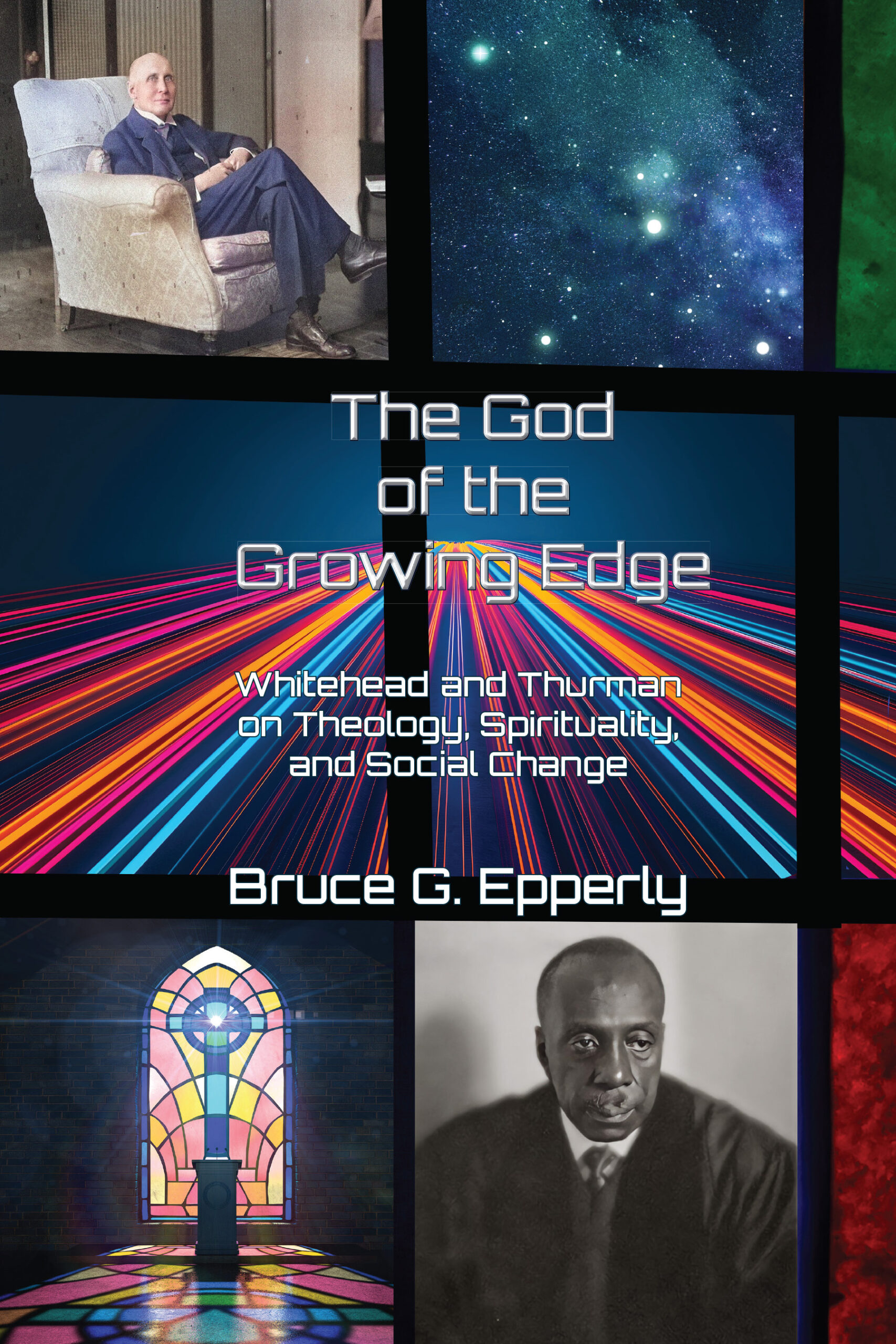
    The God of the Growing Edge

    What can we learn by combining the wisdom of two major theological pioneers of the 20th century?

    The God of the Growing Edge: Whitehead and Thurman on Theology, Spirituality, and Social Change explores the intersecting spiritual visions of two such towering figures: Alfred North Whitehead, the eminent philosopher and process theologian, and Howard Thurman, the influential African American mystic, theologian, and civil rights leader. This book offers a timely resource for contemplative activists seeking a deeper integration of spirituality and social transformation in our turbulent times.

    While Whitehead, a privileged white academic, developed an intricate metaphysical system describing a dynamic and relational universe, Thurman, experiencing firsthand the brutal realities of racism and injustice, articulated a profound mystical theology centered on empathy, social action, and the inherent worth of every individual. Despite their vastly different backgrounds, both converged on a vision of God as a dynamic presence intimately involved in the world’s unfolding.

    Whitehead’s process theology portrays God not as a static, distant sovereign but as a fellow sufferer who understands, a “poet of the universe” luring creation toward greater beauty, truth, and goodness. God is the ultimate empath, valuing every moment of experience and nurturing the freedom and creativity of all beings. This dynamic vision challenges static, authoritarian images of God that have fueled division and injustice throughout history.

    Thurman, deeply influenced by his experience of growing up in the Jim Crow South, emphasized the inherent dignity of every person as bearing the image of God. His mystical spirituality, shaped by the wisdom of the spirituals and the courageous witness of the civil rights movement, grounded social activism in the experience of God’s love and liberating presence. Thurman’s vision of an interconnected universe, where every creature reflects God’s glory, calls for a radical commitment to justice, compassion, and the pursuit of Beloved Community.

    The God of the Growing Edge examines these intersecting visions, highlighting their complementary strengths. Whitehead’s metaphysics provides a robust intellectual framework for understanding a universe of interconnectedness, change, and possibility, while Thurman’s lived experience of oppression and spiritual resistance infuses this framework with prophetic urgency and practical wisdom. Together, they offer a powerful and timely message for today’s world, inspiring:

    • A renewed understanding of God: moving beyond static, impersonal images to embrace a God of relationality, empathy, and creative love.
    • A deeper connection between spirituality and action: uniting personal transformation with a commitment to social justice and planetary well-being.
    • A more inclusive vision of humanity: recognizing the inherent worth and dignity of every individual, regardless of background or circumstance.
    • A vibrant sense of hope and resilience: finding strength and inspiration in the face of personal and global challenges.

    This book is not merely an academic study but a personal and spiritual exploration. Drawing on the author’s own experiences as a theologian, minister, and activist, The God of the Growing Edge invites readers to embark on a “holy adventure” guided by the wisdom of Whitehead and Thurman. It offers practical spiritual practices at the end of each chapter, along with powerful prayers by Thurman, to help readers integrate these insights into their daily lives. By exploring the “growing edge” of faith, this book offers a compelling path toward a more just, compassionate, and sustainable future.
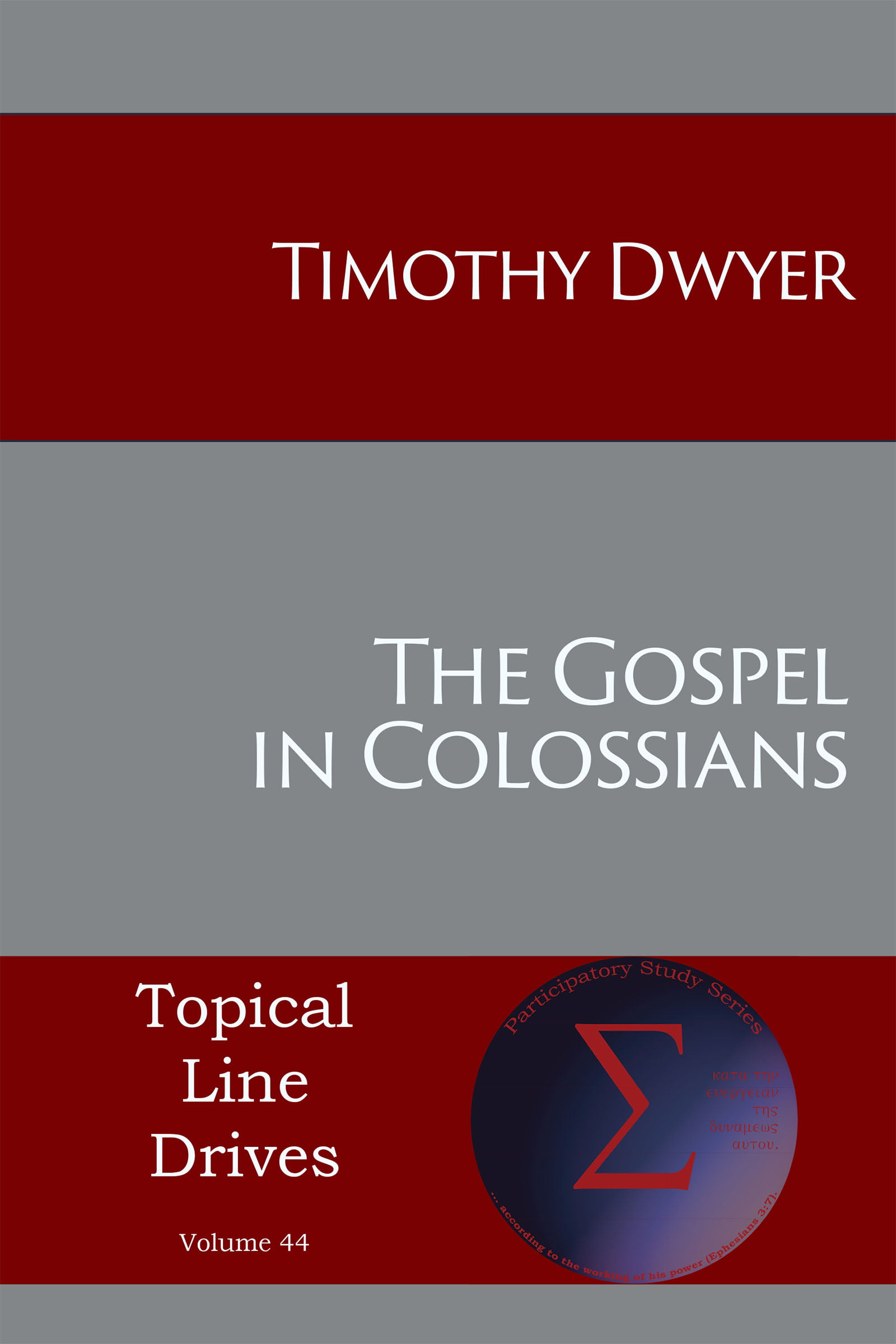

  • The Gospel in Colossians

    The Gospel in Colossians

    Preview and RetailersThe book of Colossians is often seen as standing apart from other letters attributed to Paul, even by those who affirm Paul as the author. Does Colossians relate the same story of the gospel message as Galatians and Romans?

    In The Gospel in Colossians, Timothy Dwyer explains that the gospel message is found throughout Colossians in a clear, deep, and majestic form. Working from creation through covenantal history, to the kingdom of God in the present and future, he believes Paul develops an understanding of the gospel rooted in the supremacy, majesty, and greatness of Jesus Christ.

    The 44th volume in the Topical Line Drives Series, this volume is a short, but powerful and comprehensive examination of the way in which this one letter presents the gospel and upholds Jesus as the one and only savior. One important feature of the book is the presentation of the relationship of concepts in a variety of texts that come together in forming the theology of Colossians.

    This book will be of benefit to those serious about developing their understanding of biblical theology, for pastors preparing sermons from the text of Colossians, and for anyone who wants to deepen their knowledge of the foundation of the gospel message.

  • The Heart Cries Out

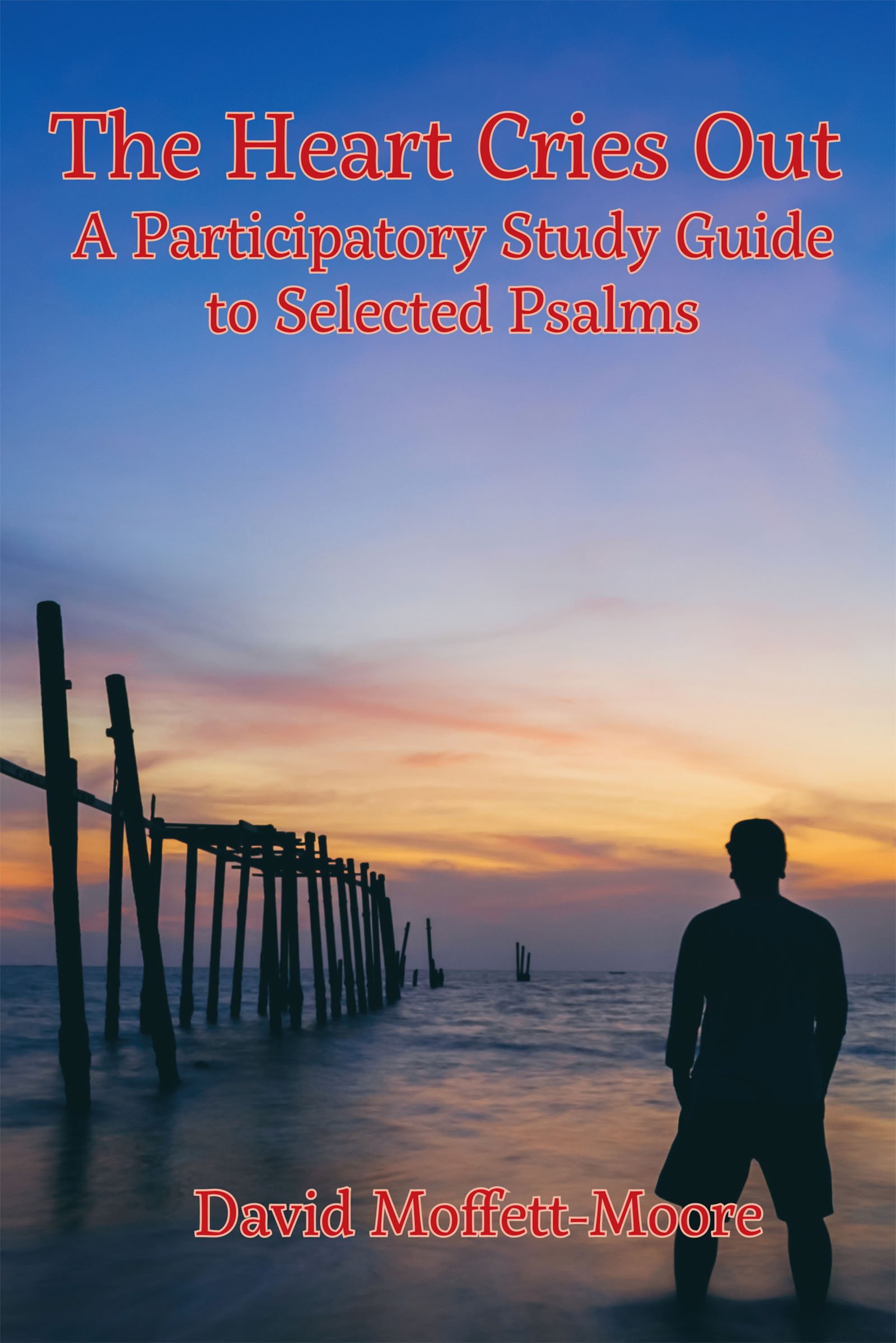
    The Heart Cries Out

    How can one approach the Psalms in order to get the most benefit from that study? There are many, many answers to that question.

    In this guide, Dr. David Moffett-Moore approaches the Psalms with the mind of a scholar, the heart of a pastor, and the soul of a poet. He leads the student on a path of study that is directed toward changing one’s life and way of thinking, rather than simply coming to an intellectual understanding of what was said.

    The book consists of seven weeks of lessons, each one covering a range of Psalms. These are selected to cover the various categories of Psalms, and the discussion is aimed at understanding how to make use of these Psalms in one’s personal spiritual life and also in corporate worship. Each lesson concludes with reflection, discussion, action, and prayer.

    While this book is designed for small group study, it is suitable for individual study of the Psalms as well.
    It will also provide significant help to a pastor planning to preach from the Psalms.

  • The Hebrew Bible and Its Music

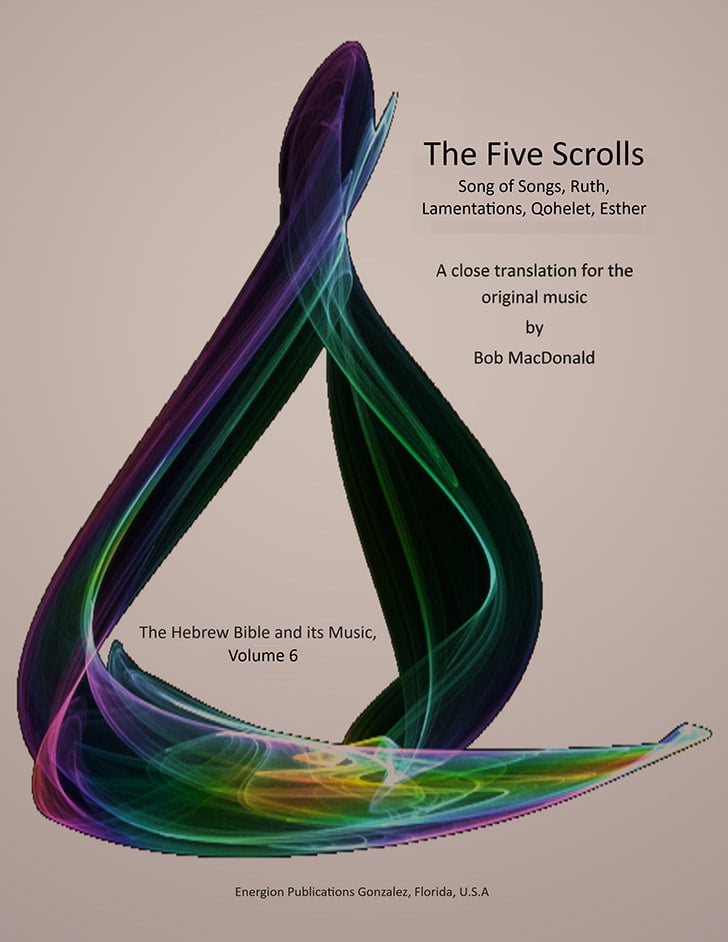
    The Hebrew Bible and Its Music

    How can a person who reads no Hebrew get closer to the text and feel of the Hebrew scriptures?

    This is a question that readers frequently ask, wondering whether they are getting an adequate immersion in the culture, rhythms, and vocabulary of those who wrote long ago.

    Bob MacDonald, author of the monumental work Seeing the Psalter (Energion Publications, 2013), has continued his work studying the rhythm, music, and structure of the Hebrew scriptures He developed this close translation initially to show in English the intricate patterns of repeated words in Hebrew poetry.

    Having discovered the inferences concerning the music at a conference on the Psalms in 2010, the author decided that the whole corpus of the Hebrew canonical text should be approached to allow English speaking readers some understanding of the music. The translation retains the order of Hebrew words wherever reasonable, so that changes in reciting note and ornaments can be in English on the same syllable that corresponds to the Hebrew.

    Readers at all levels of biblical knowledge can benefit from the material here. While the translation is accessible to anyone who reads English, references to the Hebrew text are available for the serious student of the language.

    The Five Scrolls is volume 6 in the series and the first to be released.

    Books in the series:

    1 The Torah, Genesis, Exodus, Leviticus, Numbers, Deuteronomy (March 15, 2019)

    2 The Former Prophets, Joshua, Judges, Samuel, Kings (March 29, 2019)

    3 The Major Prophets, Isaiah, Jeremiah, Ezekiel (April 12, 2019)

    4 The Twelve, Hosea, Joel, Amos, Obadiah, Jonah, Micah, Nahum, Habakkuk, Zephaniah, Haggai, Zechariah, Malachi (April 24, 2019)

    5 The Books of Truth, Psalms, Proverbs, Job, (May 10, 2019)

    6 The Five Scrolls, Song of Songs, Ruth, Lamentations, Qohelet, Esther (this volume)

    7 The Remaining Writings, Daniel, Ezra-Nehemiah, Chronicles (May 24, 2019)

    8 A Biblical Hebrew to English Concordance (June 7, 2019)

    9 A is for Abandon, An English to Biblical Hebrew Alphabet Book (June 21, 2019)

    You can find further resources on the music of the Bible at Remembering and Reflecting.

  • The Letters of John

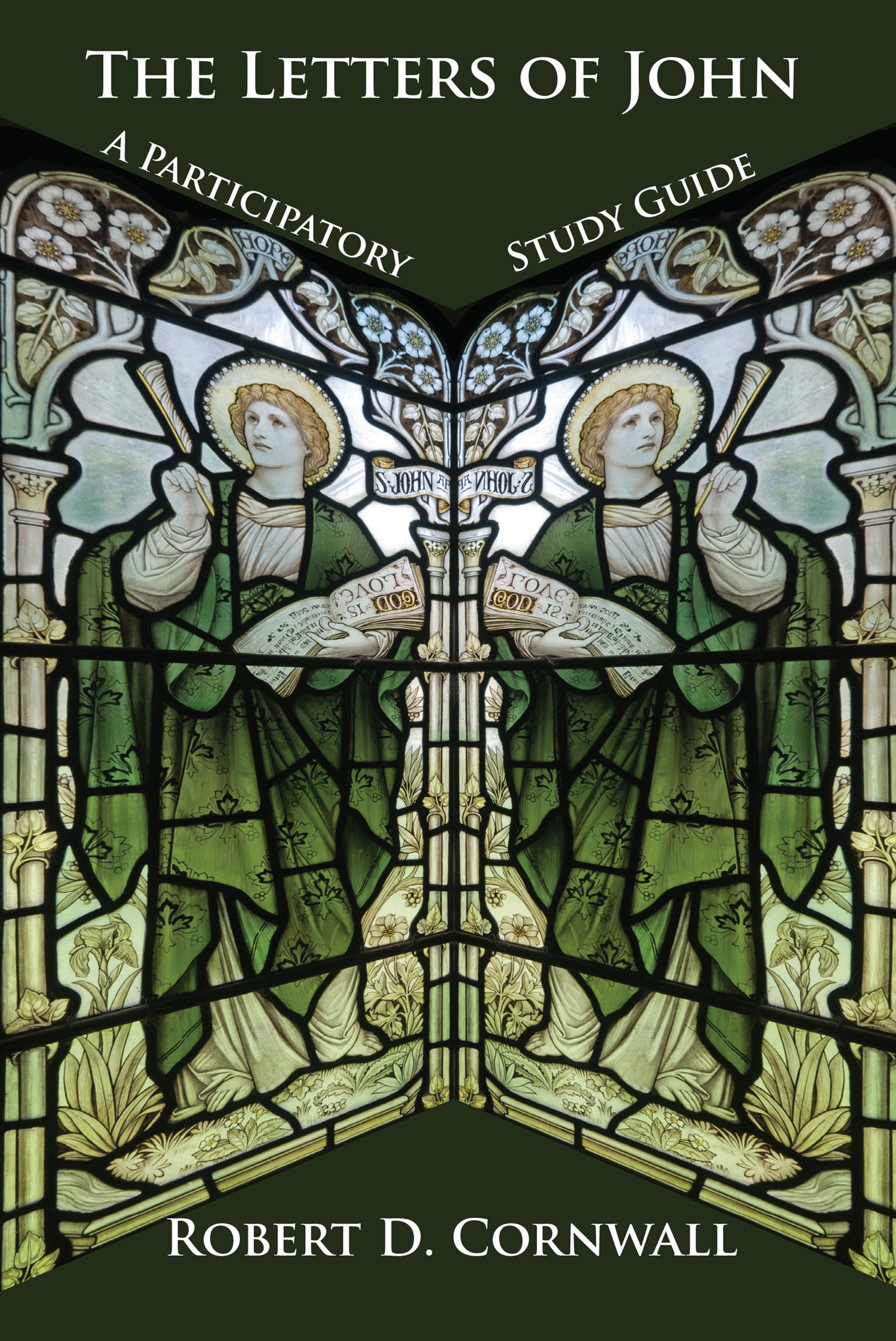
    The Letters of John

    What do the letters of John, tucked away near the end of the New Testament, tell us other than that we ought to love one another? That’s a good message but can we put some muscle into it?

    With the help of Dr. Robert D. Cornwall and his new study guide on the Letters of John in the Participatory Study Series, we certainly can Cornwall guides us through a historical, theological and practical study of these three little letters, taking 1st century material, helping us understand it clearly, and applying it to our daily lives in the 21st century.

    Besides its value in studying these books, this guide provides a model for a successful small group or individual study of any Bible passage. Each lesson includes readings, questions, exercises, and a suggested prayer in closing helping to bring the application home.

    This study is useful for individuals and small groups, but can also be valuable in planning a sermon series.

  • The Only Thing That Matters Is Heaven

    The Only Thing That Matters Is Heaven

    Subtitle: Rethinking Sin, Death, Hell, Redemption, and Salvation for All Creation

    Is heaven a place, somewhere we go? Is it a future goal, attainable only after this life ends?

    Pastor and educator Dr. Terrell Carter looks at this issue with a pastor’s heart and a scholar’s precision, looking at what the Bible teaches us and how this might relate to how we live, act, and worship today. In the process, he introduces readers to such theological terms as Kingdom of Heaven and Kingdom of God. Why a kingdom? Read this book to find out.

    In each chapter of this book, you’ll learn something new about how the Bible speaks about heaven and the afterlife. You’ll read the parables of Jesus on this topic with a new vision. You’ll find things in the book of Revelation that you might have been missing. And you’ll find all this in an easy to read style.

    This book is a good, quick read for those who are in hurry for an introduction, and it provides a sound basis for a short study on heaven, the afterlife, and life on earth in the meantime for a small study group.

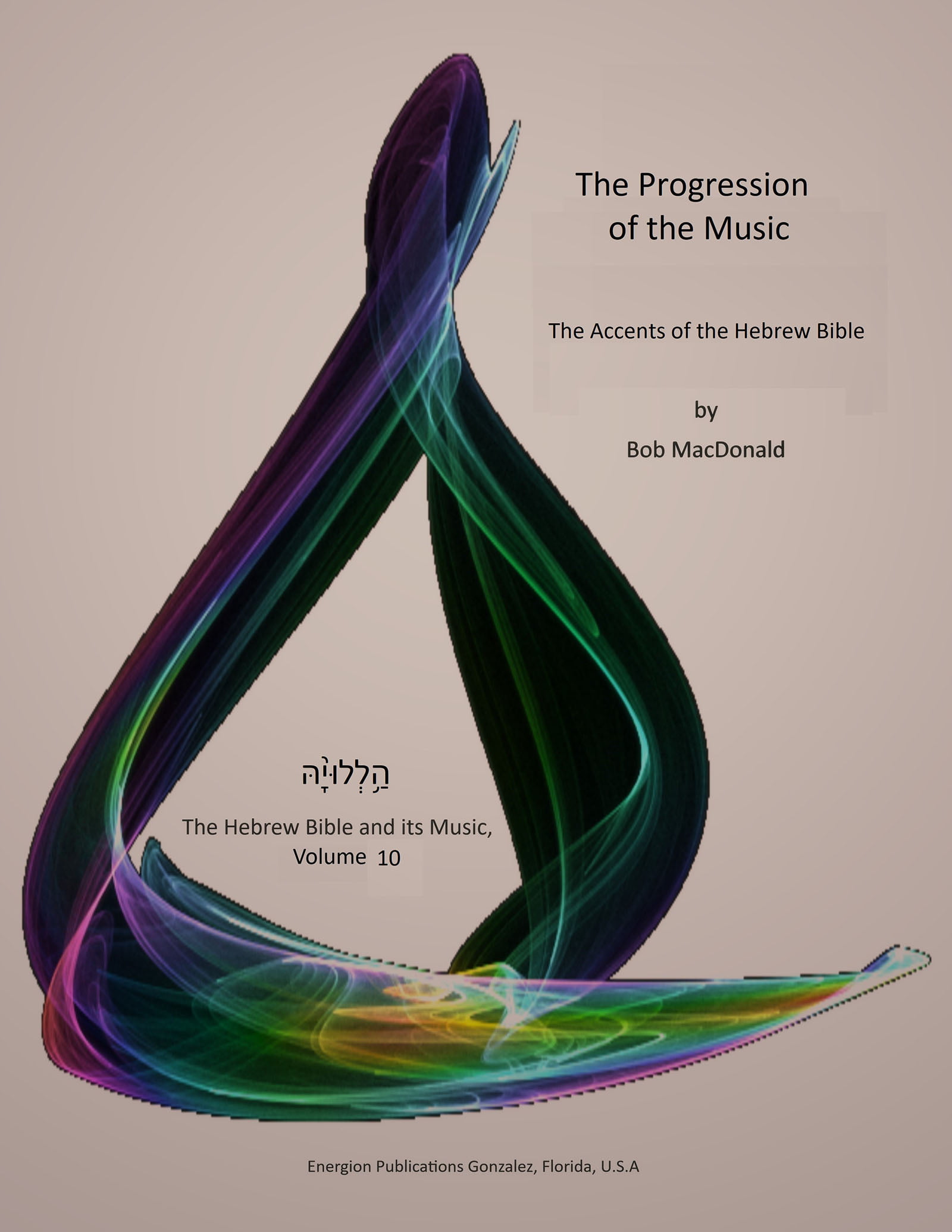
  • The Progression of the Music

    The Progression of the Music

    How can a person who reads no Hebrew get closer to the text and feel of the Hebrew scriptures?

    This is a question that readers frequently ask, wondering whether they are getting an adequate immersion in the culture, rhythms, and vocabulary of those who wrote long ago.

    Bob MacDonald, author of the monumental work Seeing the Psalter (Energion Publications, 2013), has continued his work studying the rhythm, music, and structure of the Hebrew scriptures He developed this close translation initially to show in English the intricate patterns of repeated words in Hebrew poetry.

    Having discovered the inferences concerning the music at a conference on the Psalms in 2010, the author decided that the whole corpus of the Hebrew canonical text should be approached to allow English speaking readers some understanding of the music. The translation retains the order of Hebrew words wherever reasonable, so that changes in reciting note and ornaments can be in English on the same syllable that corresponds to the Hebrew.

    Readers at all levels of biblical knowledge can benefit from the material here. While the translation is accessible to anyone who reads English, references to the Hebrew text are available for the serious student of the language.

    The Progress of the Music is the tenth volume in the series, which now covers the entire Hebrew Bible. It is intended as a reference book with explanations for evaluating the data about the accents (cantillation signs) in the Hebrew Bible. It illustrates the effectiveness and clarity of the deciphering key proposed by Suzanne Haïk-Vantoura.

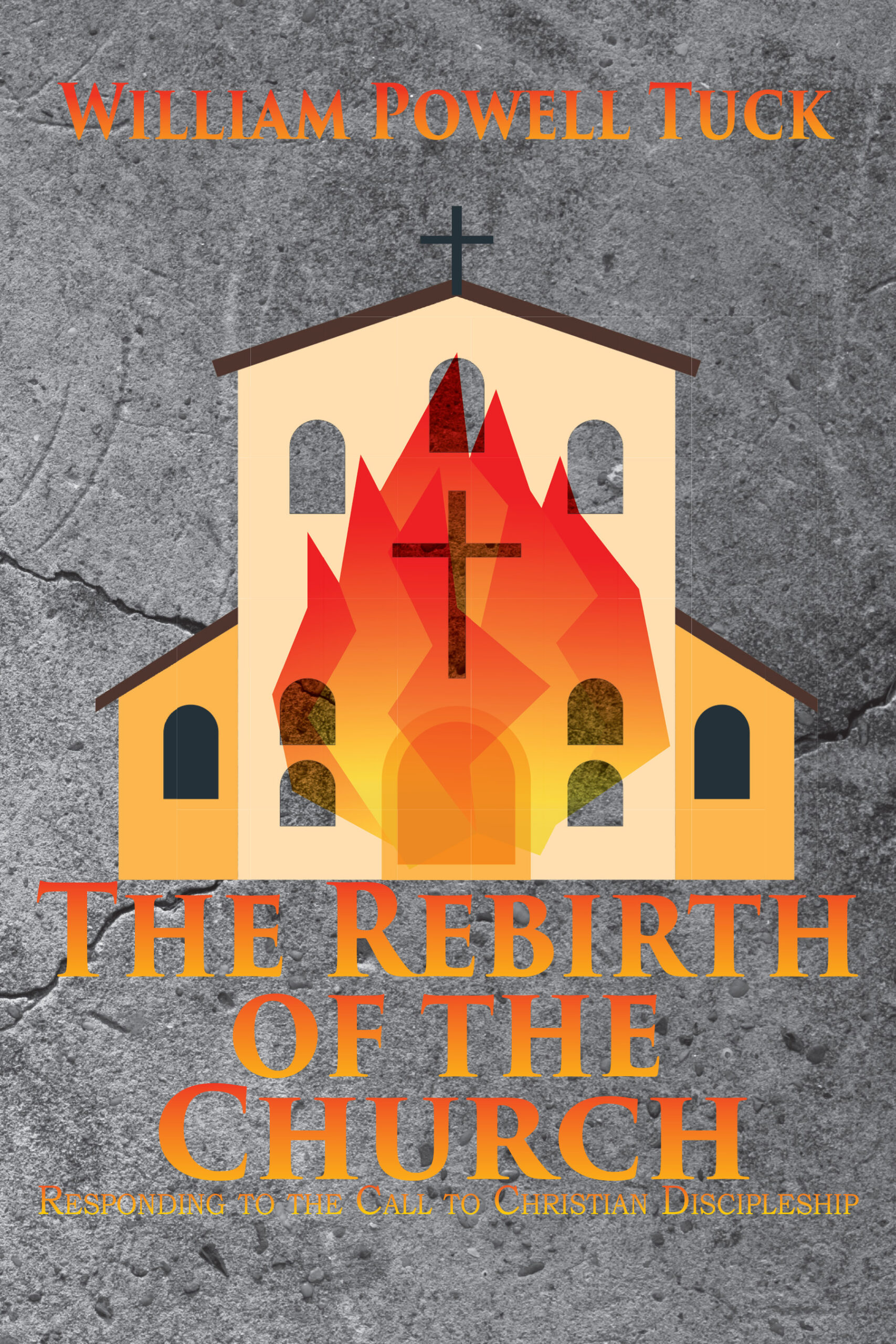
  • The Rebirth of the Church

    The Rebirth of the Church

    Subtitle: Responding to the Call of Christian Discipleship

    Many negative voices predict the demise of the church, or even claiming it has already happened. Is this negative assessment accurate? Is there hope for the church?

    William Powell Tuck believes that there is. Drawing from a lifetime of experience as a pastor, honed by research, teaching at the seminary level, and writing, he provides a roadmap for the church to be both faithful and to speak clearly in the 21st century. The presentation is rooted in scripture, theologically informed, and fully aware of the reality that churches face today.

    This is not your dry text on ecclesiology. While it could serve as a text for a seminary class, the class would be a practical class about how to reform the church and reach out to a world in need.

    This book is an exceptional resource for pastors, but it would also provide an excellent basis for a churchwide study, helping a congregation to extend their witness.

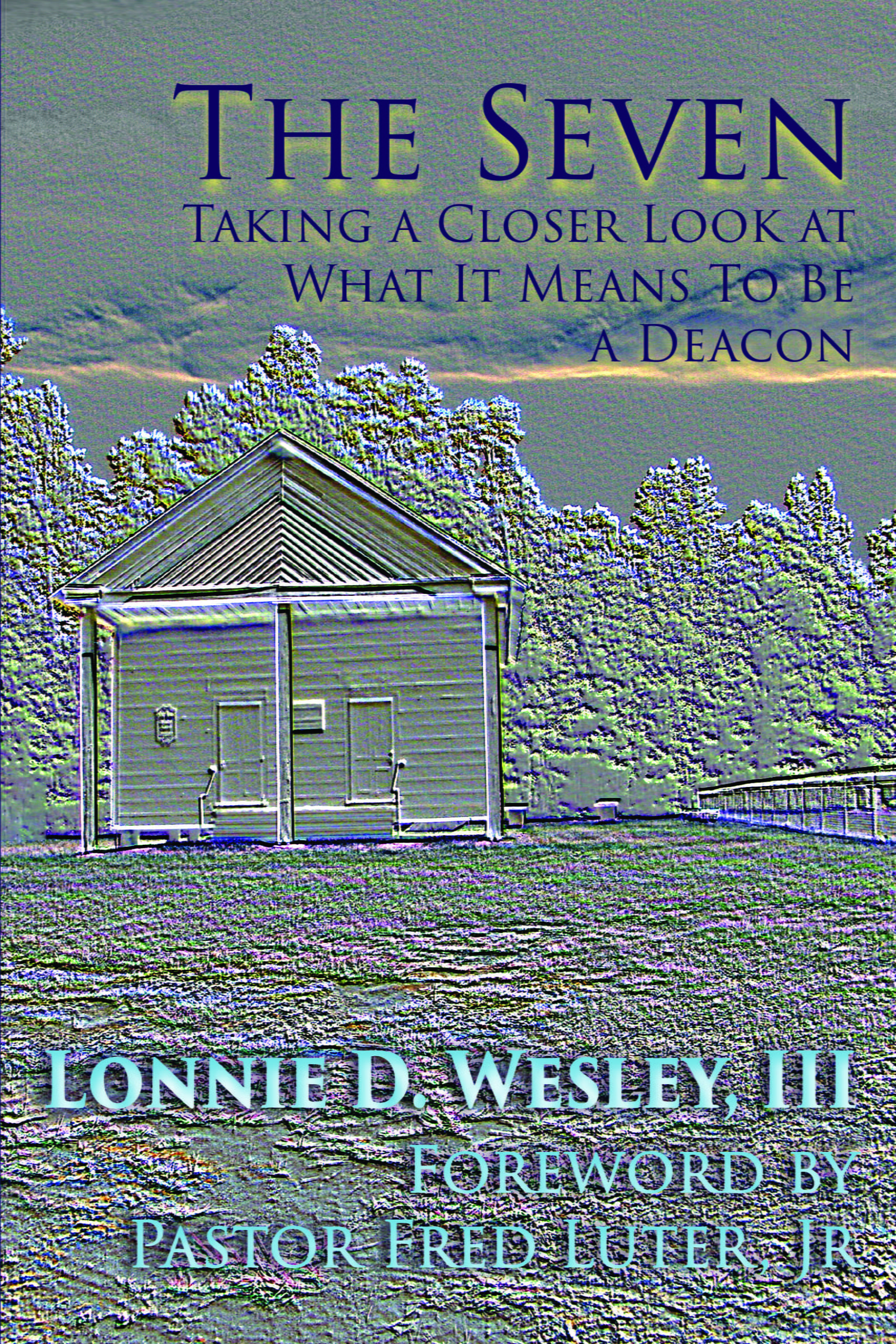
  • The Seven

    The Seven


    Do you know what it means to be a deacon? Is this office in the church still relevant today?

    Dr. Lonnie Davis Wesley believes that deacons have an important role to play, but that church traditions and failures in leadership and education have often made deacons ineffective, or given them tasks to which they are not called and for which they are not equipped.

    He goes back to the first deacons, chosen and set apart in Acts 6, for a model for the ministry of deacons in the modern church. In doing so, he finds that we need to re-learn and re-apply the lessons of scripture and history so that the church can be fully effective in ministry.

    The Seven: Taking a Closer Look at What It Means to Be a Deacon is a comprehensive guide to reforming and recharging your church’s deacon ministry. It includes guides to help you develop an education program to prepare deacons for ministry, and to aid your congregation in supporting that ministry.

    This book may be read by individuals, but it will find its greatest use as a tool for building a strong deacon ministry in any congregation.

  • This Is the Day …

    This Is the Day …

    How can you live a well-blessed life when you’re in your teens?

    “I wish I knew then what I know now” is the whole premise of this book which Linda writes to the younger audience. She writes to teens and young adults because Linda was 15 when her mom and Christian role model went to heaven. Growing up can be hard and there are so many things Linda wished she would have known back then to make that process easier. Although she writes to the younger reader, the truths of God’s promises found in each letter are a good reminder even for the seasoned Christian. Linda writes these letters in the hope that they will inspire and encourage you along your journey so at the end of your life, you too can say, you lived a life “well-blessed.”

    “This is the day the Lord has made; let us rejoice and be glad in it.” — Psalm 118:24

  • This Is the Day … (Office Stock)

    This Is the Day … (Office Stock)

    How can you live a well-blessed life when you’re in your teens?

    “I wish I knew then what I know now” is the whole premise of this book which Linda writes to the younger audience. She writes to teens and young adults because Linda was 15 when her mom and Christian role model went to heaven. Growing up can be hard and there are so many things Linda wished she would have known back then to make that process easier. Although she writes to the younger reader, the truths of God’s promises found in each letter are a good reminder even for the seasoned Christian. Linda writes these letters in the hope that they will inspire and encourage you along your journey so at the end of your life, you too can say, you lived a life “well-blessed.”

    “This is the day the Lord has made; let us rejoice and be glad in it.” — Psalm 118:24

  • This Is the Day (Burmese)

    This Is the Day (Burmese)

    How can you live a well-blessed life when you’re in your teens?

    “I wish I knew then what I know now” is the whole premise of this book which Linda writes to the younger audience. She writes to teens and young adults because Linda was 15 when her mom and Christian role model went to heaven. Growing up can be hard and there are so many things Linda wished she would have known back then to make that process easier. Although she writes to the younger reader, the truths of God’s promises found in each letter are a good reminder even for the seasoned Christian. Linda writes these letters in the hope that they will inspire and encourage you along your journey so at the end of your life, you too can say, you lived a life “well-blessed.”

    “This is the day the Lord has made; let us rejoice and be glad in it.” – Psalm 118:24

Energion Direct
Privacy Overview

This website uses cookies so that we can provide you with the best user experience possible. Cookie information is stored in your browser and performs functions such as recognising you when you return to our website and helping our team to understand which sections of the website you find most interesting and useful.